High-stakes votes always bring out conspiracy theories, and Alberta's high-profile referendum is no exception. Social media feeds recently lit up with accusations that Elections Alberta was trying to rig the process. Critics pointed to a restriction preventing third-party advertisers from appointing scrutineers to watch polling stations.
The internet quickly turned it into a full-blown scandal. But when you look at how voting infrastructure actually works, the reality is far more mundane than an electoral conspiracy. It boils down to a massive logistical bottleneck and an electoral framework that was never built for complex issue-based referendums.
The Source of the Outrage
The controversy started when commentators and high-profile supporters of Alberta's separatist movement shared emails from Elections Alberta. The correspondence confirmed a simple rule. Only candidates and registered political parties with official status in the legislature—specifically the United Conservative Party and the New Democratic Party—could appoint scrutineers for the vote.
Independent third-party advertisers, which include dozens of advocacy groups pushing various angles on the referendum questions, were locked out of having official monitors inside the polling rooms.
Social media users immediately cried foul. Some prominent figures claimed the restriction proved the vote was fixed to protect the status quo. They argued that denying third-party groups the right to oversee ballot handling stripped the process of its democratic legitimacy.
When people see a rule that shuts out their preferred advocates, it is easy to assume the worst. But the explanation from election officials points to a much simpler physical constraint: square footage.
Why Polling Stations Do Not Have Room for Everyone
Scrutineers play a specific role in Canadian elections. They sit quietly inside voting locations, watch how ballots are issued, observe the counting process, and flag any irregularities. They do not touch ballots, and they are strictly barred from talking to voters.
During a standard provincial election, managing these observers is straightforward because the system revolves around established political parties.
When you introduce a provincial referendum featuring multiple complex questions alongside dozens of registered third-party advertisers, the math changes instantly. Elections Alberta noted that the chief electoral officer had to draw the line somewhere because of severe physical limitations.
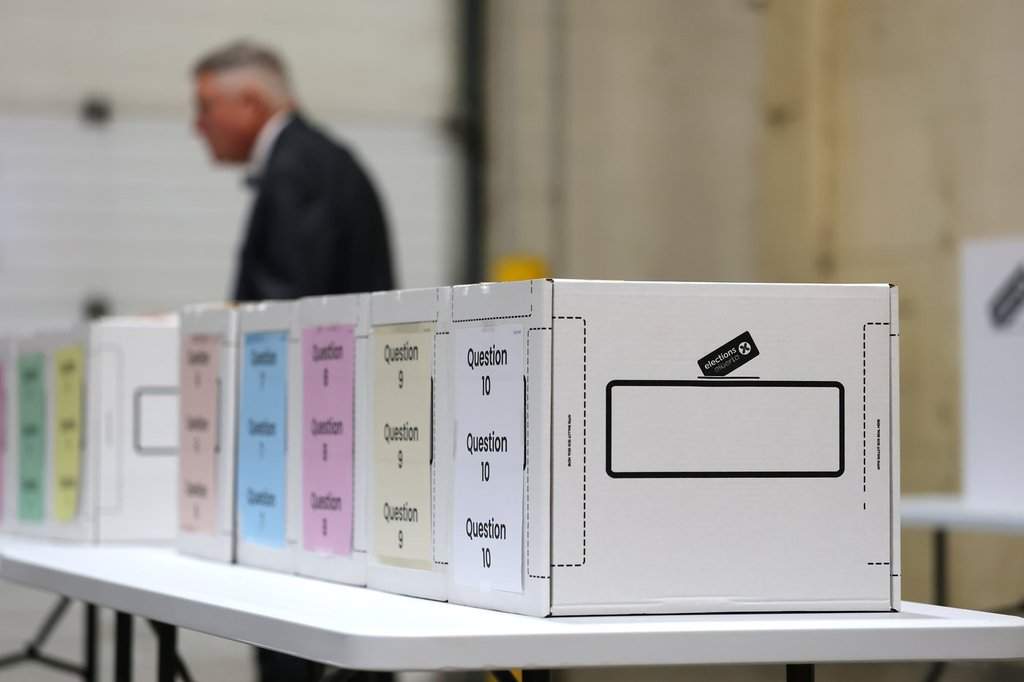
Polling stations are usually school gymnasiums, community halls, or municipal rooms. Pack in election workers, ballot boxes, voting booths, and the sheer volume of voters casting ballots during an intense public debate, and you run out of physical space fast.
If every single third-party advertiser sent even one representative to monitor every voting station, the rooms would become overcrowded safety hazards. The restriction was driven by fire codes and spatial limits, not a secret political agenda.
The Real Flaw in the System
While the conspiracy claims fall apart under scrutiny, the controversy exposes a genuine structural weakness in how democratic institutions handle major public referendums.
Electoral acts across Canada were designed for representative democracy. They manage political parties competing for seats in a legislature. They are not built for direct democracy exercises where outside interest groups spend millions of dollars trying to influence policy questions.
Political scientists who study these processes point out that trying to fit an issue-based referendum into a framework built for candidate elections creates friction. When you have numerous third-party advertisers representing polarized viewpoints, managing their access fairly becomes an administrative nightmare.
Official party status remains the legal benchmark because those parties are accountable under specific legislative rules. Third-party advertisers operate under different legal thresholds, making broad scrutineer access legally and logistically complicated.
What Voters Should Focus On Instead
Getting bogged down in debates over room capacity distracts from the actual mechanics of how your vote is protected. Independent returning officers, strict chain-of-custody protocols for ballot boxes, and bipartisan election workers from across the political spectrum form the backbone of the system.
If you want to ensure your vote counts, focus on verifying your registration, knowing your local polling station, and reviewing the referendum questions ahead of time. The rules governing who stands in the corner of a gymnasium watching a ballot box matter far less than the actual paper ballot you drop into it.