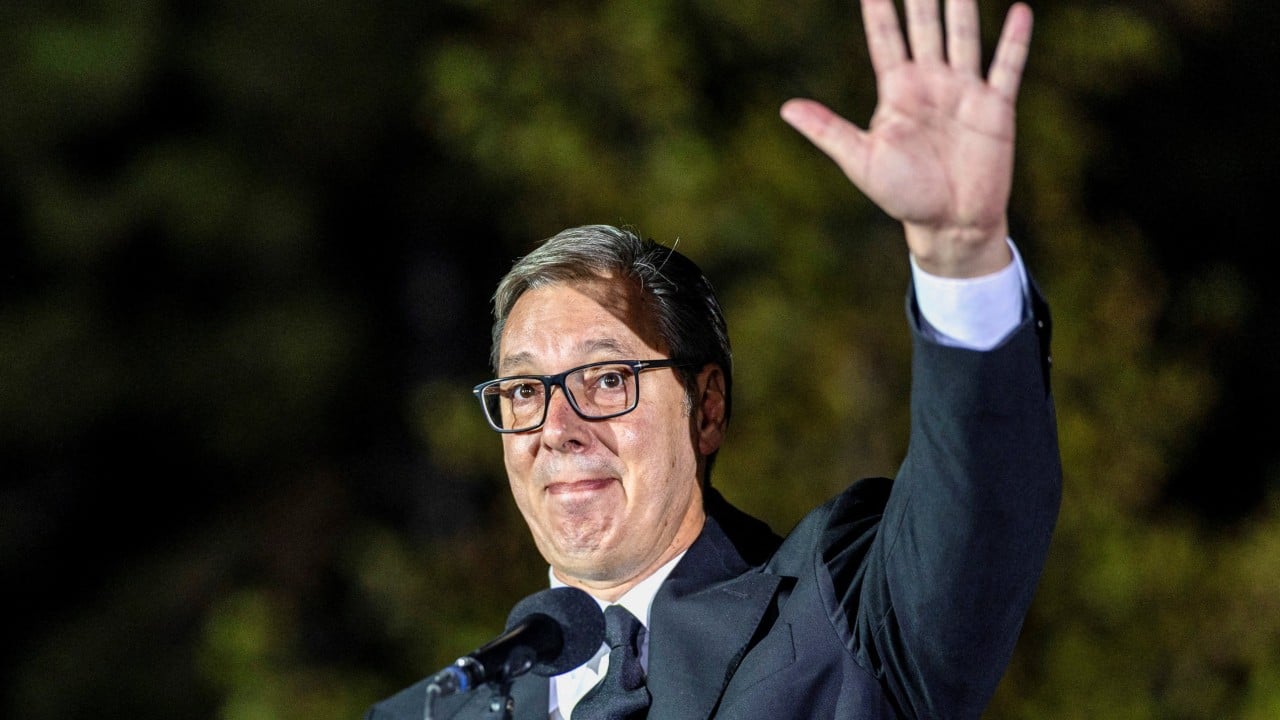
Aleksandar Vucic just did something predictable yet calculated. He quit his job as Serbia's president months before his second and final term was set to expire on May 31, 2027. Why? Because he wants to run for prime minister in the snap parliamentary elections scheduled for October 25, 2026.
If you've followed Balkan politics for more than five minutes, you know that Vucic doesn't just step down for nothing. He's been either prime minister or president for the past 12 years. Constitutionally barred from seeking a third consecutive term as president, the populist leader is orchestrating a classic political shuffle to keep his hand firmly on the tiller of state power.
The Mechanics of the Move
Vucic's resignation on September 27, 2026, wasn't a sudden crisis. He floated the idea back in late June. By late September, the ruling Serbian Progressive Party (SNS) officially locked him in as their prime minister candidate.
Stepping down early lets him pivot straight into active campaign mode. Under Serbia's constitution, outgoing Parliament Speaker Ana Brnabic takes over as interim president. Meanwhile, a fresh presidential race must kick off, with Vucic predicting the first round will land by the end of December 2026.
Hundreds of flag-waving supporters gathered outside the presidency building in central Belgrade on the evening of his resignation.
"This is the last evening for me in this building," Vucic told the crowd. "I have faithfully served you and my fatherland, Serbia."
Critics, however, view the maneuver through a very different lens.
Protests, Pressure, and Public Discontent
You can't talk about contemporary Serbia without mentioning the friction on the streets. Vucic's recent years in power haven't been quiet. Anti-government protesters, student groups, and civil rights organizations have kept the pressure high, citing democratic backsliding, corruption, and an increasingly heavy-handed state apparatus.
Independent watchdogs like the Independent Bureau for Social Research (BIRODI) have filed complaints accusing Vucic of using his presidential office as a campaign megaphone for his party. Rights groups also point out troubling incidents during recent months of unrest, where protesters alleged they faced unfair detentions and police roughness. Authorities, naturally, deny these claims.
At the same time, Serbia's stalled European Union membership bid looms large over the political landscape. Brussels has grown increasingly frustrated with Belgrade's democratic trajectory and its refusal to align with Western sanctions against Russia over the war in Ukraine.
What Happens Next in Belgrade
So, what is the endgame here? Vucic is betting that shifting his base of power back to the prime minister's office will reenergize his political machine. The ruling SNS remains a formidable electoral force, but the October 25 parliamentary vote will test just how deeply public fatigue has set in after years of polarization.
If the SNS secures the majority, Vucic steps into the executive premier role while his party manages the transition for the upcoming presidential vote. The next few months will decide whether this tactical retreat and repositioning cements his dominance or triggers a genuine political reckoning in the Balkans.