Treating chronic illness is a messy business. When you look at how different superpowers handle a massive health crisis, you see the true colors of their respective systems. Two wealthy, industrial nations approach the exact same metabolic emergency through lenses shaped entirely by their politics, economies, and social contracts.
Chronic disease doesn't care about borders. Yet, the way governments manage the fallout reveals deep structural flaws. You get a stark contrast between a profit-driven corporate maze and a rigid, state-managed bureaucracy. Both methods leave millions struggling for basic survival. You might also find this connected coverage interesting: Why Overcrowding In Emergency Rooms Is Actually Killing Hundreds Every Week.
Let's break down what's actually happening on the ground.
The American Profit Machine
In the United States, managing high blood sugar feels like running an obstacle course blindfolded while someone charges you admission for every step. The American approach relies heavily on private insurance, pharmaceutical innovation, and market competition. Sounds great on paper. In reality, it turns a basic human need into a luxury product. As extensively documented in detailed coverage by Psychology Today, the results are significant.
Insulin costs a fortune. Even with insurance, co-pays and deductibles drain household savings. Drug manufacturers spend billions on advertising and patent thickets to block cheaper generic alternatives. The system rewards quarterly profits over patient outcomes.
Doctors prescribe advanced continuous glucose monitors and revolutionary injectable weight-loss drugs. These tools work wonders. If you can afford them. If your insurance company approves them. If your zip code matches a high-income bracket.
You end up with a system where innovation moves at lightning speed, but distribution is a disaster. People ration their medication. They skip doses. Some turn to illegal black markets or travel across borders just to afford a vial of a life-saving hormone. That is a massive failure of public health.
The Russian State Approach
Flip the map and look at Russia. The vibe shifts completely. Healthcare operates mostly under a state-funded model. Medications like insulin are technically guaranteed by the government. You do not face wild price gouging at the pharmacy counter or surprise bills from out-of-network providers.
Sounds utopian compared to the American nightmare, right? Not quite.
State-managed medicine comes with its own unique brand of misery. Bureaucracy rules everything. Supply chains break down. Sanctions, economic shifts, and bureaucratic delays create chronic shortages of imported medical devices and advanced pharmaceuticals.
You might not go bankrupt buying your prescription, but the local clinic might simply run out of the specific brand you need. Doctors face heavy caseloads and strict state guidelines that leave little room for personalized care. Innovation takes a backseat to basic resource allocation.
Patients often complain about outdated treatment protocols. While Americans fight insurance adjusters, Russians fight administrative walls. Getting specialized care outside major cities like Moscow or St Petersburg requires immense patience and luck.
The Shared Blind Spot
Both nations miss the forest for the trees. They throw medicine at a lifestyle problem and wonder why the numbers keep climbing.
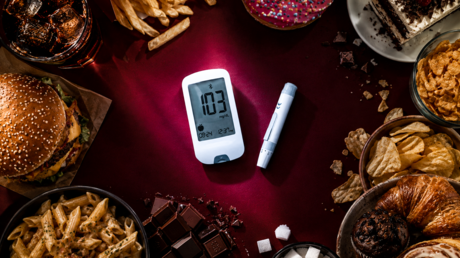
Processed food dominates grocery store shelves in both countries. Cheap, hyper-palatable calories poison communities from rural Appalachia to Siberian industrial towns. Fast food chains, sugary beverages, and sedentary jobs create a breeding ground for metabolic dysfunction.
Prevention gets lip service. Treatment gets all the funding.
Pharmaceutical companies in the US make money when you stay sick. State health ministries in Russia scramble to keep up with the sheer volume of patients requiring baseline maintenance. Neither system invests enough in keeping people healthy before the diagnosis ever happens.
What Actually Works
If you want to fix this mess, you have to look past national pride.
First, take the profit motive out of essential baseline drugs. Insulin is a century-old discovery. Treating it like a proprietary tech startup product is morally bankrupt.
Second, fix the food supply. Stop subsidizing the ingredients that make people sick. Make fresh food cheaper than junk food. It sounds simple, but powerful lobbies in both Washington and Moscow fight real nutritional reform at every turn.
Finally, listen to patients. Chronic illness is a daily grind. It requires mental energy, emotional resilience, and consistent support. Neither the cold corporate ledger of American insurance nor the impersonal stamp of a Russian state clinic provides that.
Take charge of your own health. Do not rely on a broken system to save you. Understand your numbers, question your doctors, and push back against systems designed to manage your sickness rather than restore your health.