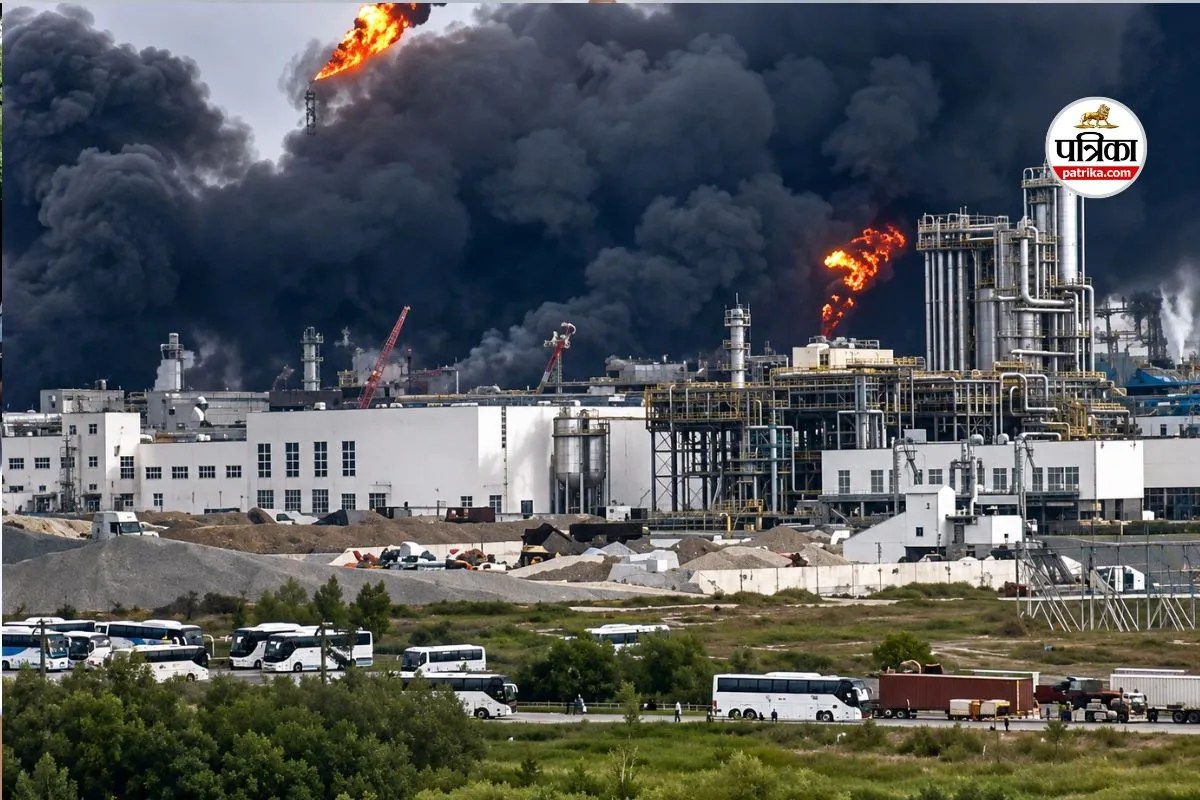
When Washington launched its military campaign against Iran, the script looked familiar. Officials expected a quick strike, a collapsing regime, and a neat geopolitical reset. Months later, reality has hit hard. Regional allies are panicking, oil markets are rattled, and the United States finds itself sliding toward a profound strategic defeat in the Middle East.
You don't need a classified briefing to see what went wrong. The math simply doesn't add up. By miscalculating Tehran's resilience and overestimating the speed of modern regime change, US planners walked straight into a protracted quagmire. Let's break down how this happened and why regional partners are losing confidence fast.
The Anatomy of a Miscalculated Gamble
The entire intervention rested on a shaky premise. Planners assumed that initial air strikes and economic pressure would instantly shatter the Iranian state structure. Instead, it triggered a decentralized, grinding conflict.
Iran didn't fold. Iranian forces and regional proxies adapted quickly, utilizing asymmetric tactics, drone swarms, and targeted missile barrages against critical infrastructure. When you bet everything on a lightning-fast collapse, you don't have a plan for month four. That is where Washington stands right now—stuck in a war of attrition with no clean exit strategy.
- Flawed Intelligence: Underestimating the durability of local security apparatuses.
- Overextended Resources: Diverting military assets away from other global theaters like the Indo-Pacific.
- Economic Fallout: Shockwaves rippling through global energy markets and supply chains.
Why Regional Allies Are Panicking
Walk into diplomatic circles in Riyadh, Abu Dhabi, or Jerusalem right now, and you won't hear celebration. You'll hear anxiety.
Gulf monarchies spent years trying to de-escalate tensions with Tehran to protect their own economic modernization projects. When Washington dragged them into a wider confrontation, those domestic development plans took a direct hit. Missile strikes and disrupted shipping lanes in the Persian Gulf made it painfully clear that American security guarantees have severe limitations.
Honestly, nobody in the region wants to be caught in the crossfire of a stalemate. Allies are realizing that a frustrated superpower is a dangerous partner. If Washington pulls back or negotiates from a position of weakness, local capitals will be left to deal with an emboldened neighbor on their own doorstep.
The China Factor Everyone Ignores
You cannot look at the current crisis without talking about Beijing. While Western policymakers fixate on immediate battlefield metrics, China is playing the long game.
Every barrel of oil redirected, and every month the US military stays bogged down in the Middle East, serves Beijing's broader geopolitical goals. It drains American fiscal resources—with military spending requests hitting historic highs—while keeping Washington distracted from primary strategic competition in Asia.
Iran has effectively leaned into its role as a vital node for Chinese energy security. By failing to secure a quick victory, American strategy has inadvertently strengthened the very alliance it wanted to break.
Where Washington Goes From Here
Pretending this is going according to plan won't fix the map. The White House faces grim choices. Doubling down requires resources and political capital that domestic voters and weary allies simply won't support. Pulling back abruptly risks exposing the hollow nature of current policy.
The hard truth is that strategic defeats rarely arrive with a sudden surrender. They happen slowly, through overreach, exhaustion, and a refusal to acknowledge changing facts on the ground. Until leadership faces that reality, the slide will continue.
Take a hard look at the numbers and the diplomatic fallout. Stop buying the spin. The current path leads straight to a weaker America and a more unstable Middle East.