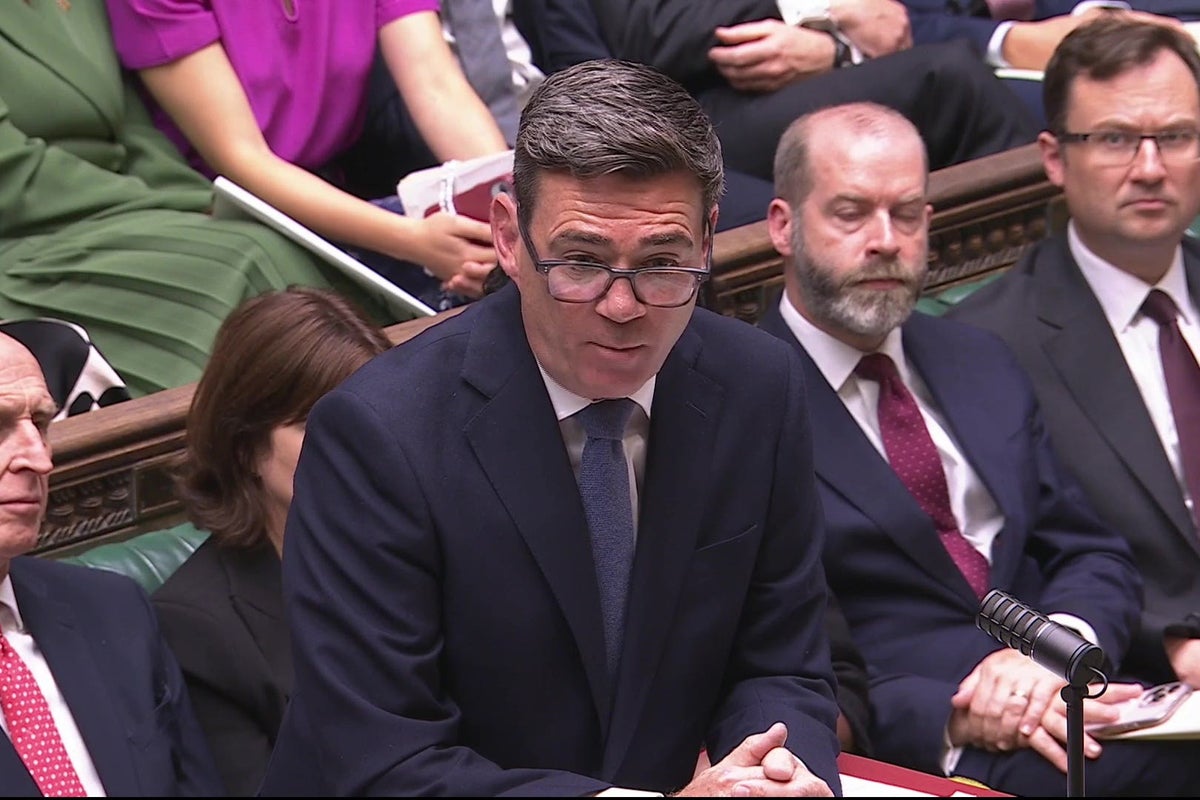
Geopolitical threats don't care about good intentions or political rhetoric. When Vladimir Putin starts throwing around veiled threats about targeting British military sites over UK weapons supplies to Ukraine, stock phrases and public relations lines stop working instantly. This reality hit Westminster hard during a tense session of Prime Minister's Questions, where Andy Burnham faced intense pressure over whether his government will actually back its security rhetoric with hard currency.
Senior figures inside his own party and across the opposition are making it painfully clear that defence policy requires real financial backing. Vibes and optimistic speeches won't deter a hostile power. If you're wondering how the UK plans to navigate rising global tensions while managing a fragile economy, you need to look past the political theatre and examine the actual numbers on the table.
The 3 Percent Defence Funding Debate
The core argument boiling over in Parliament centers on a specific financial milestone: committing to spend 3 percent of GDP on defence by 2030. Backbenchers and Tory critics are demanding concrete timelines rather than vague promises deferred to a future spending review.
When Tan Singh Dhesi stood up in the Commons, he didn't mince words. He pointed out that European security can no longer rely on shifting US priorities. He told the House that defence is one area where optimistic messaging simply fails to cut it.
Downing Street's internal communication hasn't helped quiet the skepticism. While Burnham suggested strong alignment with the 3 percent target during his trip to Ukraine, subsequent clarifications from officials revealed a muddy timeline. Treasury planners are hinting that definitive fiscal roadmaps won't materialize until next year's spending review. That delay infuriates critics who argue that Russian aggression is moving faster than British bureaucratic schedules.
How Global Threats Fuel Domestic Pressure
Putin's recent comments regarding British support for Ukraine have escalated the friction. When asked whether Russian forces might strike UK military sites on British soil due to supplied missile blueprints, the Russian president labeled it a military secret while maintaining that any facility aiding Ukraine becomes a legitimate target.
This marks a sharp escalation from earlier warnings issued by Sergei Lavrov regarding direct British participation through missile systems. Moscow is testing London's nerve.
Opposition leader Kemi Badenoch seized on this vulnerability during PMQs, urging the prime minister to trim welfare budgets to fund immediate military upgrades. She argued that the honeymoon phase is over and demanded an end to empty rhetoric.
The Reindustrialisation Strategy
Burnham's counter-strategy isn't just about writing blank checks to foreign arms manufacturers. His administration insists that defence investment must double as a tool for domestic economic renewal.
By keeping manufacturing and production capabilities onshore, the government aims to channel taxpayer money back into local industrial communities. Supporters argue this builds long-term national resilience, ensuring the UK isn't overly dependent on international supply chains when a crisis hits.
Yet, skepticism remains high. Appointing a chancellor known for resigning over previous military funding shortfalls sends a strong signal, but market realities like rising debt and climbing gilt yields complicate every fiscal promise.
What Happens Next
The debate over British defence spending reveals a brutal truth about modern statecraft. You can't budget for safety by hoping for the best.
If you're tracking how national security policy impacts the wider economy, keep an eye on the upcoming spending review. That's where the rhetorical commitments will face a hard collision with actual Treasury accounts. Watch whether the government sticks to a firm calendar for the 3 percent target or continues to kick the financial can down the road.