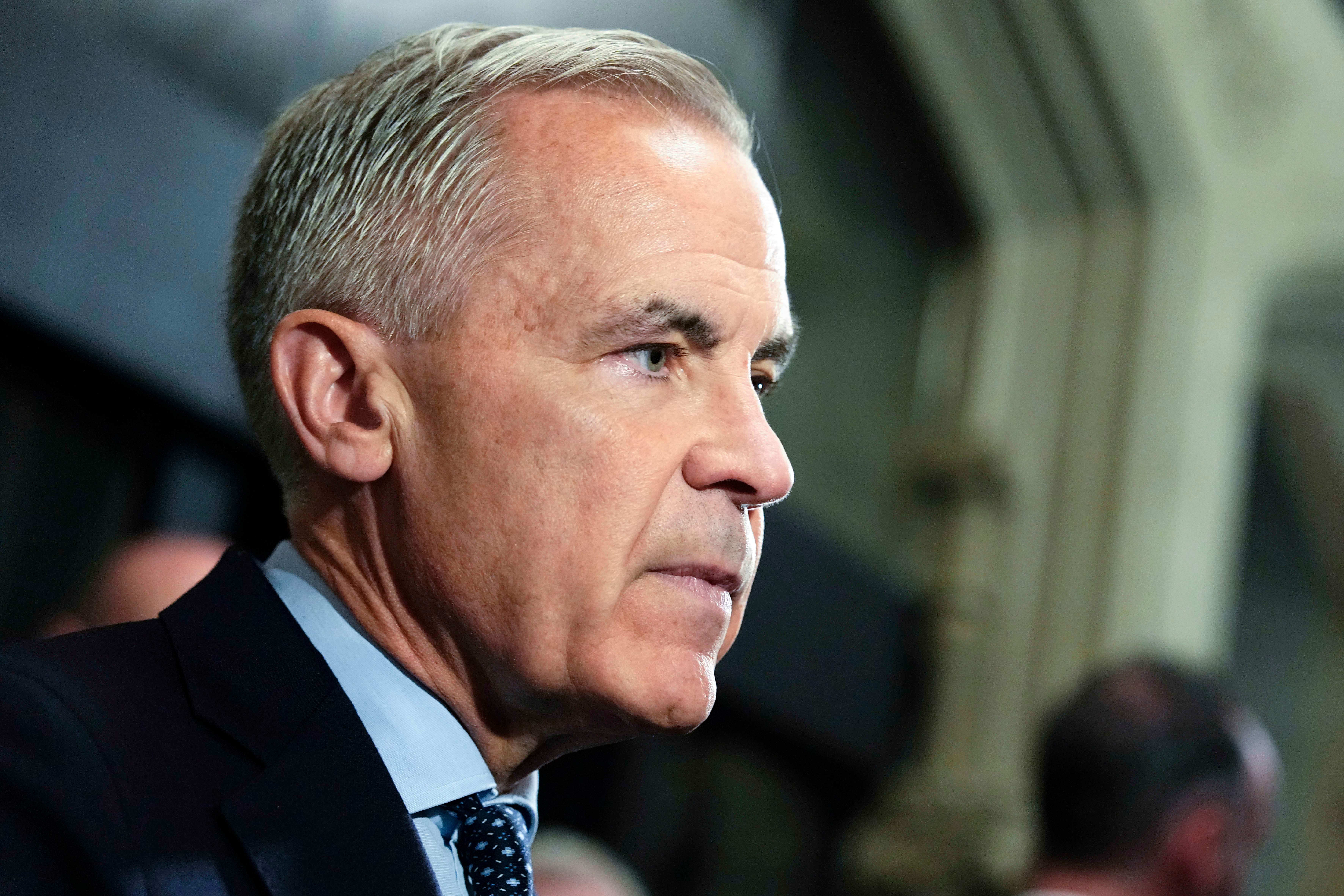
Political performance is a masterclass in modern optics. When you watch senior leaders nod slowly during town halls or press briefings, you aren't witnessing genuine absorption of information. You're watching a theatrical display. Andy Burnham, much like many high-profile figures in public office, has long mastered the careful art of looking like he is hanging onto every word, even when his mind is miles away or firmly made up.
Why do politicians rely so heavily on the appearance of attention over active engagement? The answer is simple. In modern governance, perception outweighs participation. Voters want to feel heard, but career politicians need to stay in control. This dynamic creates a bizarre public ritual where active listening is replaced by calculated nodding, furrowed brows, and scripted empathy.
The Anatomy of Political Theatre
If you spend enough time watching political interviews, you notice a distinct pattern. A constituent stands up to voice a grievance about local housing, regional transport, or NHS funding. The camera pans immediately to the politician on stage. You see the classic signs of deep concentration. The head tilts slightly. The eyes lock onto the speaker with laser-like intensity. The thumb and forefinger rest thoughtfully on the chin.
It looks convincing. But beneath the surface, the cognitive gears are turning toward something entirely different. The politician isn't processing the nuances of the citizen's policy critique; they are running through pre-tested talking points, calculating soundbites for the evening news, or running damage control on a separate scandal.
This performative posture has become standard training for anyone in national prominence. Media coaches teach leaders how to project warmth and attentiveness without committing to immediate action. After all, if you genuinely listen and internalize every demand thrown your way, you invite endless accountability. By keeping the act purely visual, politicians retain the benefit of public sympathy without paying the cost of real responsiveness.
Why Voters Fall for the Act
We want to believe our leaders care. Psychologically, human beings crave validation. When a prominent figure looks directly into our eyes and nods along with our frustrations, our brains release dopamine. We feel acknowledged.
This emotional trap is precisely why the illusion persists. Politicians know that a sympathetic look buys them goodwill, often masking a total lack of policy follow-through. When Burnham or his peers engage in these staged interactions, they aren't trying to solve the underlying structural issue in that exact moment. They are managing the room. They are buying time until the news cycle moves on to the next crisis.
The Cost of Fake Engagement
When public figures treat listening as a theatrical prop rather than a tool for governance, trust erodes. Citizens eventually catch on. They notice when the same sympathetic nod is recycled across three different cities for three entirely different problems, followed by zero legislative changes.
True leadership requires more than looking thoughtful under studio lighting. It requires the courage to say no, the humility to admit when a policy fails, and the genuine curiosity to abandon pre-written narratives. Until our political culture stops rewarding the mere performance of empathy, we will continue to get leaders who master the look of listening while ignoring the substance of what is being said.
Stop buying into the performance. Demand actual policy outcomes instead of polished optics, and hold leaders accountable for what they do after the cameras stop rolling.