When the People's Action Party gathers for its internal Central Executive Committee vote, political watchers instantly look for dramatic changes. They want a clean break. They look for fresh blood to sweep out the old guard overnight. But watching party cadres cast ballots for Singapore's top political machine misses the entire point of how political longevity actually works here.
You don't measure a ruling party's future by counting how many new faces make it onto a committee ballot. Stability and institutional muscle always win over sudden shakeups. Meanwhile, you can find similar developments here: Why The Hypermasculine Alliance Behind Donald Trump Is Finally Fracturing.
The Illusion of Internal Party Ballots
Let's look at the facts. During internal elections, party cadres often default to seasoned heavyweights with proven track records. When familiar names like Lawrence Wong, Lee Hsien Loong, and senior ministers secure their spots on the committee, critics rush to write articles about stalled momentum. That logic is flawed.
Party renewal in Singapore isn't a single explosive event. It happens quietly behind closed doors, inside government ministries, through parliamentary selections, and via community outreach years before anyone drops a ballot into a box. The Central Executive Committee reflects institutional trust and internal party politics. It doesn't instantly mirror government-level transitions or the urgent demands of voters on the ground. To understand the bigger picture, we recommend the detailed article by The New York Times.
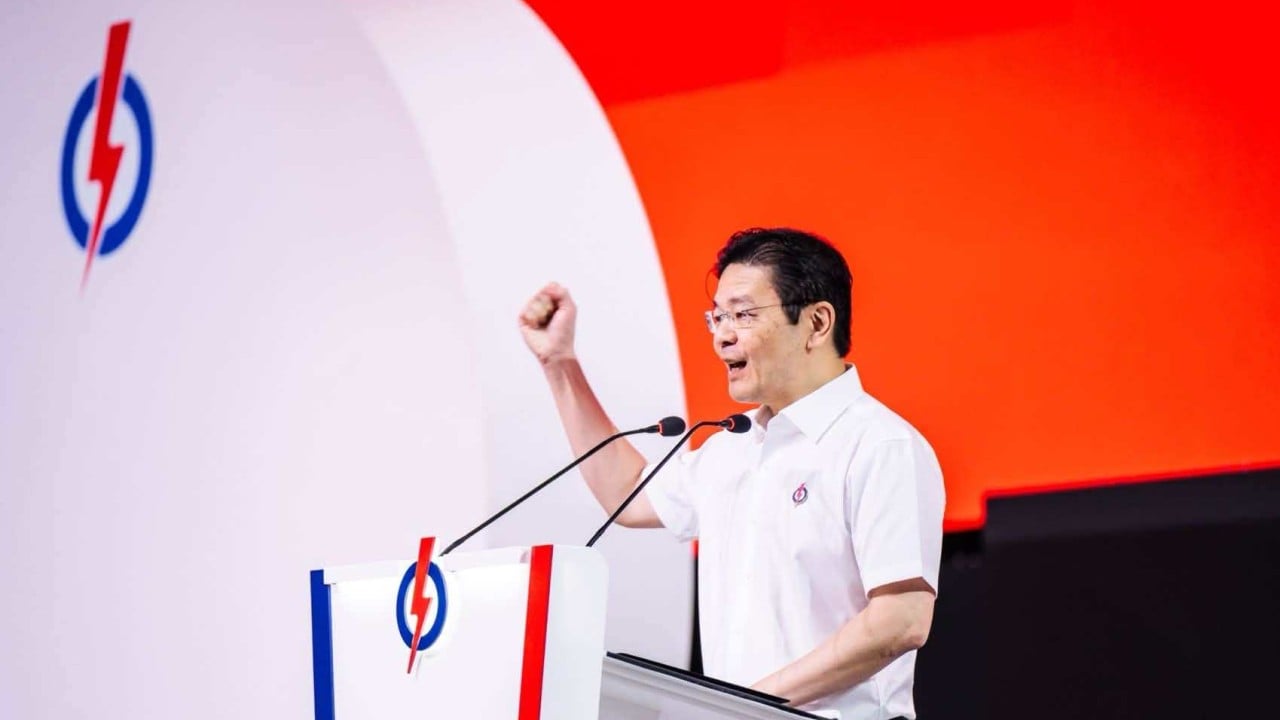
If you judge political continuity solely by internal cadre voting patterns, you miss the deeper pipeline of talent. Prime Minister Lawrence Wong has repeatedly emphasized that true renewal requires diverse backgrounds and fresh perspectives. That happens long before a party conference convenes.
Where Real Renewal Actually Happens
If internal party votes are the wrong metric, where should you look?
Pay attention to candidate selection committees, town council transitions, and junior ministerial portfolios. Singapore's political system relies on a rigorous, multi-year grooming process. Individuals are scouted from the civil service, the armed forces, and the private sector, then tested through grass-roots engagement long before they ever stand a chance at national office.
- The Grassroots Test: Potential leaders spend years walking local divisions, managing municipal complaints, and facing residents directly.
- The Cabinet Reshuffle: Junior ministers are rotated through multiple portfolios to test their crisis management skills under pressure.
- Policy Adaptation: Renewal shows up in how quickly a government adapts to housing affordability, cost-of-living spikes, and shifting global trade dynamics.
When you focus only on party elite committees, you ignore the engine room.
Why Stability Trumps Dramatic Overhauls
Voters often think drama equals progress. In governance, drama usually equals risk. Singapore's economic model relies heavily on predictable policy frameworks and long-term investor confidence. Sudden leadership purges create anxiety rather than inspiration.
The party's heavy reliance on familiar figures isn't a sign of stagnation. It's a calculated bet on institutional memory. Navigating geopolitical tensions, digital transformations, and domestic demographic shifts requires experienced hands at the wheel. Newer figures are integrated gradually so they don't crash the vehicle while learning how to drive.
You can't rush experience. When global markets watch Singapore, they aren't scanning party internal vote tallies to decide if the country is stable. They look at policy execution and economic resilience.
Moving Past the Headlines
Next time political pundits obsess over internal party election results, ignore the noise. Look at the actual policies being tested on the ground, the demographic shift in municipal leadership, and how incoming ministers handle real public pushback. Real political renewal is messy, slow, and deliberate. It happens in the trenches of public service, not on a party ballot sheet.
Stop expecting a revolution where evolution is the actual strategy.
GE2025: PM Lawrence Wong seeks to renew Singapore's leadership
This video provides additional context on Prime Minister Lawrence Wong's approach to leadership renewal and party strategy.