The Westminster rulebook has officially been thrown out the window. Just weeks after reclaiming a seat in parliament via the Makerfield by-election, Andy Burnham has triggered a profound shift in British politics. With Keir Starmer stepping down, Burnham is the undeniable frontrunner to take over Downing Street by the end of the summer. It's a breathtakingly fast ascent for someone who wasn't even an MP a month ago.
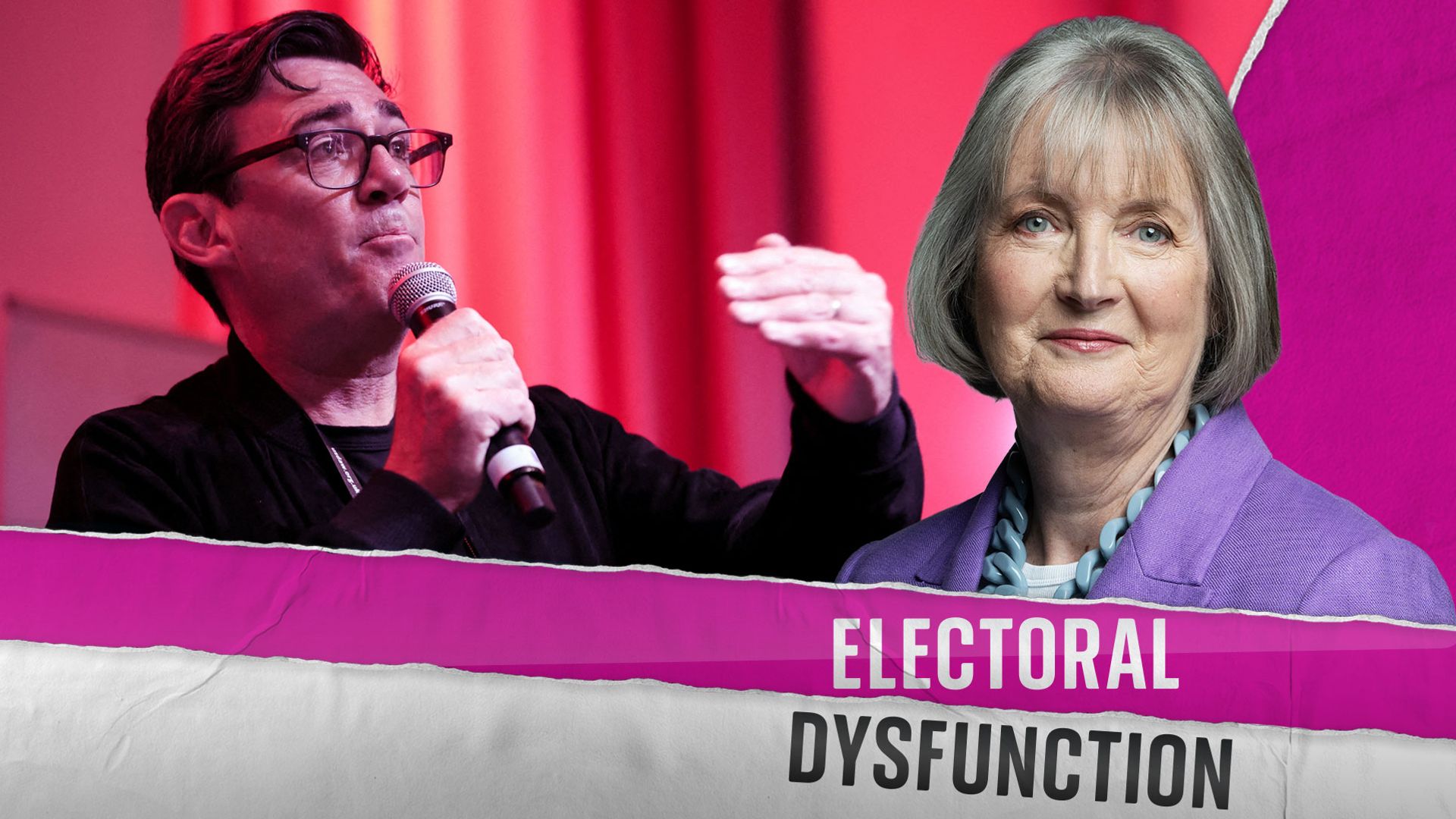
Naturally, the political establishment is sweating. The rapid transition has left some senior figures nervous about how this new project is being designed. Speaking on the Sky News Electoral Dysfunction podcast, former deputy Labour leader Harriet Harman admitted that Burnham's approach to taking power and setting up his upcoming administration is unusual, but she insisted that it should work.
She's right. The standard, ultra-cautious Westminster script has failed the country for over a decade. If Burnham wants to reverse years of economic stagnation and repair fracturing public services, an unusual strategy is exactly what Britain needs.
The Disruption of Manchesterism
What exactly makes Burnham's style so different? It comes down to a philosophy he calls Manchesterism. Don't confuse this with the 19th-century free-trade variant. Burnham's version is explicit: it's a direct rejection of neoliberalism and top-down Treasury control.
Instead of waiting for growth to trickle down from London finance houses, his model relies on a partnership between local state powers, businesses, and trade unions to push wealth directly into communities. We've already seen the proof of concept in Greater Manchester with the creation of the public-controlled Bee Network for transport.
Now, he wants to take this template national. The plan involves establishing a "No 10 North" in Manchester, effectively shifting the gravity of British governance away from Whitehall. Critics claim that bypassing traditional regional structures to send funding and powers deeper into cities is paternalistic. The SNP, for instance, has already blasted the proposals as an attempt to undermine devolved national parliaments.
But for voters living in hollowed-out towns across England, the prospect of an economy that prioritizes local investment over London-centric fiscal rules is incredibly appealing.
Navigating the Welfare and Social Care Minefields
A massive test for this upcoming administration will be its handling of public finances. The right-wing press is already demanding brutal welfare cuts, while the Labour left is ready to fight any attempt to squeeze claimants. Burnham has historically walked a fine line here. Back in 2015, he controversially followed Harman's interim leadership instructions to abstain on George Osborne's welfare reform bill to maintain party discipline, despite privately viewing the cuts as unsupportable.
Things look very different today. During his Makerfield campaign, Burnham stated he isn't squeamish about reducing the national benefit bill, but he rejected the traditional Westminster habit of short-term, punitive cuts. His focus is on building a preventative state that invests heavily in employment support and health intervention to help people return to work.
Then there's social care. In 2009, as health secretary, Burnham proposed a free-at-the-point-of-use care service funded by a 10% estate levy, which the Tories successfully tanked by branding it a "death tax." He hasn't backed down. He recently confirmed he wouldn't flinch from tax adjustments to finally fund adult social care, hinting at fast-tracking the anticipated Casey review to get things moving by the end of the year.
Can Vibe Politics Deliver Real Growth
Let's be completely honest about the current political climate. The Burnham wave is currently fueled by a massive amount of collective projection. Trade unions, left-wing backbenchers, and centrist pragmatists are all projecting their own hopes onto him. But vibes alone won't fix structural productivity failure.
To succeed where his predecessors failed, Burnham has to balance his radical public-control agenda with severe economic realities. Gilt investors are watching closely, and any sign of reckless spending could trigger market instability. He needs a chancellor with iron-clad business credibility who can manage the budget without relying on the growth-killing tax hikes that plagued Starmer's final months.
If you want to see how a Burnham administration will likely balance these competing forces, watch how he handles British procurement. He has been vocal about forcing social value clauses—like mandatory apprenticeships—into defense contracts and infrastructure projects. As mayor, he fought Whitehall to ensure Manchester's new buses were built in Scotland and Northern Ireland rather than outsourced to China. This blend of economic patriotism and state direction is exactly how he intends to deliver on his promise of growth in every postcode.
The next steps for the Labour party are remarkably straightforward but fraught with risk. Nominations for the leadership race open on July 9 and close on July 16. If Burnham secures his expected coronation, his team must instantly transition from campaign poetry to government prose. They need to draft a clear legislative agenda for the autumn that turns Manchesterism into enforceable law, lock down an investment-friendly shadow cabinet, and prepare a definitive fiscal statement that satisfies the markets without betraying the working-class base that put him back in Westminster. The unusual path got him to the door of Downing Street, but only ruthless execution will keep him there.