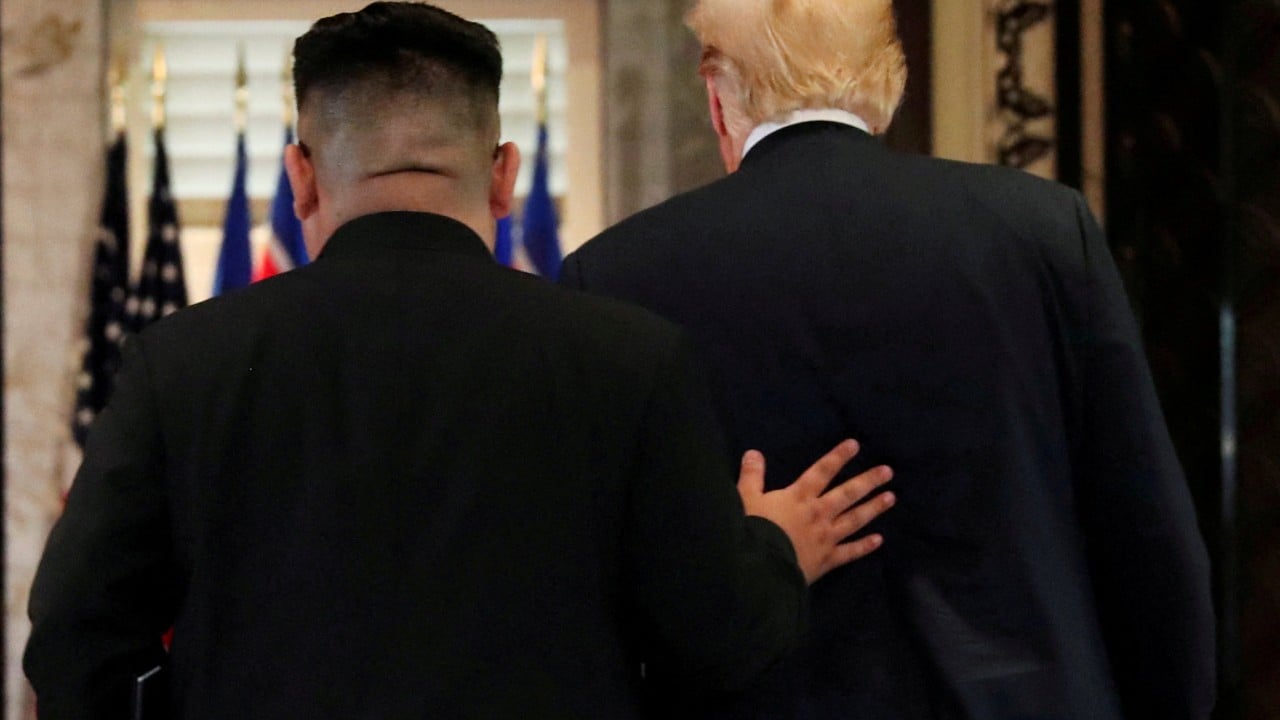
Everyone loves a dramatic diplomatic comeback. But if you are holding your breath for a quick repeat of the high-profile photo-ops between Washington and Pyongyang, you're going to pass out.
Recent intelligence and statements from American and South Korean officials reveal a hard truth. Pyongyang isn't picking up the phone. That total lack of response tells you everything you need to know about the actual state of modern geopolitics.
The Reality Behind the Diplomatic Silence
When leaders talk about breakthrough summits, the media loves to chase the hype. Behind closed doors, officials in Washington and Seoul face a very different reality. There has been zero meaningful engagement from North Korea regarding a new round of face-to-face talks.
Why the radio silence? It comes down to a fundamental disagreement on terms. North Korea isn't interested in talking about denuclearization on Western terms. Pyongyang has made it clear that any future dialogue must happen with heavy preconditions, including major sanctions relief. They want recognition as a nuclear state before they even sit at the table.
Washington isn't offering that. Experts like Jenny Town from the Stimson Center and Ankit Panda from the Carnegie Endowment for International Peace have pointed out that Pyongyang outright rejects the entire premise of the traditional denuclearization roadmap. When one side demands the impossible and the other refuses to budge, summits don't happen.
What Most People Get Wrong About Personal Diplomacy
We often assume that personal chemistry can fix entrenched geopolitical hostility. Flashy letters and public compliments between leaders create great headlines, but they rarely alter strategic nuclear doctrines.
Kim Jong Un's regime has spent years cementing its status as an advanced nuclear power. They've tested sophisticated missile delivery systems capable of reaching the US mainland. They've even updated domestic laws to enshrine their nuclear posture. From Pyongyang's perspective, giving up that leverage for a handshake and a photo opportunity makes zero sense.
South Korea sits directly in the middle of this standoff. Seoul wants stability and lower tensions, but they also cannot afford to look weak or bypass their alliance obligations with the US. When Washington floats the idea of renewed outreach, Seoul has to carefully weigh the diplomatic fallout if North Korea simply uses the offer to stall while advancing its weapons programs.
Moving Beyond the Hype
If you are following international relations closely, stop looking for quick fixes on the Korean Peninsula. Real diplomacy takes years of quiet, tedious groundwork—not sudden summit announcements driven by electoral cycles or media pressure.
Until North Korea changes its calculus on sanctions and nuclear weapons, or until Washington fundamentally alters its strategic demands, expect more silence than summits. Keep an eye on actual military posture, border fortifications, and economic shifts rather than waiting for another invitation letter. That is where the real story unfolds.