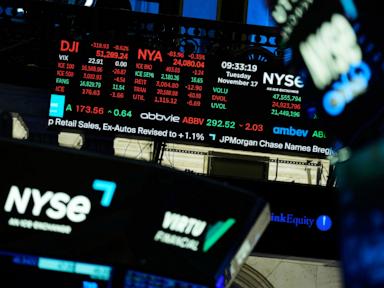
Anthropic is heading straight for the Nasdaq under the ticker symbol ANT, aiming for a jaw-dropping valuation of up to $1.4 trillion. This marks a massive milestone for the artificial intelligence industry, even if it falls short of earlier $2 trillion whispers from Wall Street optimists. The Claude creator is offering 825 million shares at $70 to $78 each, locking in gross proceeds of roughly $64.4 billion.
You're watching the second-largest IPO in history take shape right now, trailing only Elon Musk's SpaceX flotation. But beneath the celebratory champagne on Wall Street, major structural questions remain about how sustainable this runaway AI train actually is. Let's look at what's really driving this historic market debut. Don't miss our previous post on this related article.
The Numbers Behind the Madness
The revenue growth looks completely detached from traditional business norms. Anthropic pulled in $17 billion in the third quarter alone, a staggering jump from $1.4 billion during the same period last year. Coding assistants like Claude Code are driving massive enterprise adoption, pushing the company's revenue run rate past $81 billion by late October.
Yet the balance sheet tells a more complicated story. Anthropic isn't printing pure cash without strings attached. The company has committed nearly $417 billion to long-term chip and server leases, with total infrastructure and purchase commitments swelling toward $900 billion over the coming decades. Deals with AWS, Google Cloud, and major hardware suppliers mean a huge chunk of the capital raised is essentially funding circular tech financing. If you want more about the background of this, Business Insider offers an informative summary.
Critics call it a closed loop. You raise billions from public markets, immediately hand those billions to chip manufacturers and cloud giants for data center infrastructure, and count it as high-growth momentum.
Founder Control and Governance Concerns
Beyond the raw math, investors are buying into a heavily centralized leadership structure. CEO Dario Amodei, President Daniela Amodei, and five other co-founders are retaining a special class of stock that controls 50.1% of the total voting power.
This means ordinary shareholders and institutional giants like Fidelity, BlackRock, and Capital Group will have zero say over major strategic decisions, such as a potential company sale or shifts in safety protocols. Anthropic insists this structure protects its original mission of keeping artificial intelligence safe and aligned with human interests. Labor unions and city comptrollers haven't been as convinced, arguing that everyday retail investors and retirement funds are taking on all the downside risk while founders keep absolute control.
What Needs to Go Right for Investors
Buying into ANT at a $1.4 trillion valuation means pricing in flawless execution for the next five years. AI processing costs have fallen drastically over the last two years, which squeezes margins if enterprise pricing power drops faster than efficiency gains rise.
Furthermore, roughly $70.7 billion in computing commitments come due over the next twelve months alone. If enterprise demand for generative AI plateaus or corporate budgets tighten due to broader macroeconomic shifts, those fixed data center leases will weigh heavily on the bottom line.
On the flip side, if index fund inclusion pushes the stock into every major retirement portfolio and demand for advanced reasoning models outpaces supply, the early pop could just be the opening act. Anthropic is betting that its safety-first approach and technical edge will outlast the skeptics. We are about to find out on Thursday morning whether Wall Street agrees.