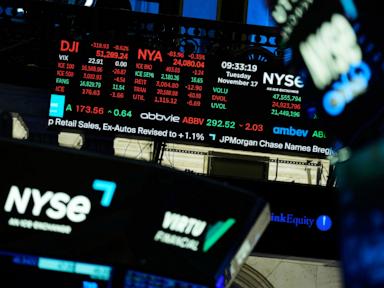
Markets hate uncertainty. Yet every single time tech indexes take a beating, traders run straight back to the exact same playbook. Wall Street futures pointed higher today, and you can guess the main character pulling the market out of the mud. It is Nvidia, again.
If you are tired of watching a single semiconductor giant dictate the daily mood of your retirement portfolio, you are not alone. But ignoring how this ecosystem works is a mistake. Let's look at why US stock futures react so violently to one company, what Wall Street is missing, and how you should actually read these daily market swings.
The Nvidia Reflex
Wall Street has a dependency problem. When chip stocks drop, indexes drag. When they bounce, the S&P 500 and Nasdaq snap back into green territory almost instantly. Why does this happen? Simple math and heavy index weighting.
Tech giants carry massive market caps. Nvidia sits right at the center of the artificial intelligence infrastructure spending wave, meaning its quarterly earnings reports basically act as a proxy report card for corporate technology spending worldwide. When buyers step in after a dip, it signals that institutional investors still believe the infrastructure buildout has room to run.
You saw this script play out repeatedly over the last few years. Panic selling hits during a morning session. Semiconductor shares take a hit over valuation concerns. Then, institutional dip-buyers arrive by noon, pushing futures back up. It is a predictable cycle fueled by algorithms and momentum trading.
Reading Past the Market Noise
Most financial news headlines want you to panic. They scream about massive swings in futures contracts as if a fifty-point move on a Tuesday morning changes the trajectory of your long-term wealth. It does not.
Day-to-day market movements are driven by short-term traders managing margin calls, hedge funds rebalancing portfolios, and automated systems chasing trends. None of that reflects the actual health of the businesses behind the tickers.
When you see headlines claiming that US futures are higher thanks to a rebound in chip stocks, remember that you are looking at sentiment, not structural change. A single-day rebound does not erase supply chain bottlenecks, regulatory pressures, or cyclical spending shifts. It just means the market found a temporary floor.
Protecting Your Portfolio from Single Stock Risk
If your portfolio's daily performance rises and falls entirely based on what Nvidia or a handful of mega-cap tech stocks do, your asset allocation is too narrow. Concentration risk feels great during a bull run, but it hurts when market sentiment shifts.
True diversification means owning assets that do not all move in lockstep with semiconductor demand. If you want to build resilience, look at how your portfolio handles macro shocks like interest rate changes or energy price spikes.
Stop checking the futures board every morning before work. Daily volatility is the toll you pay for long-term equity returns. Focus on earnings growth, balance sheet strength, and whether the companies you own actually make money, rather than guessing which way the opening bell will swing.