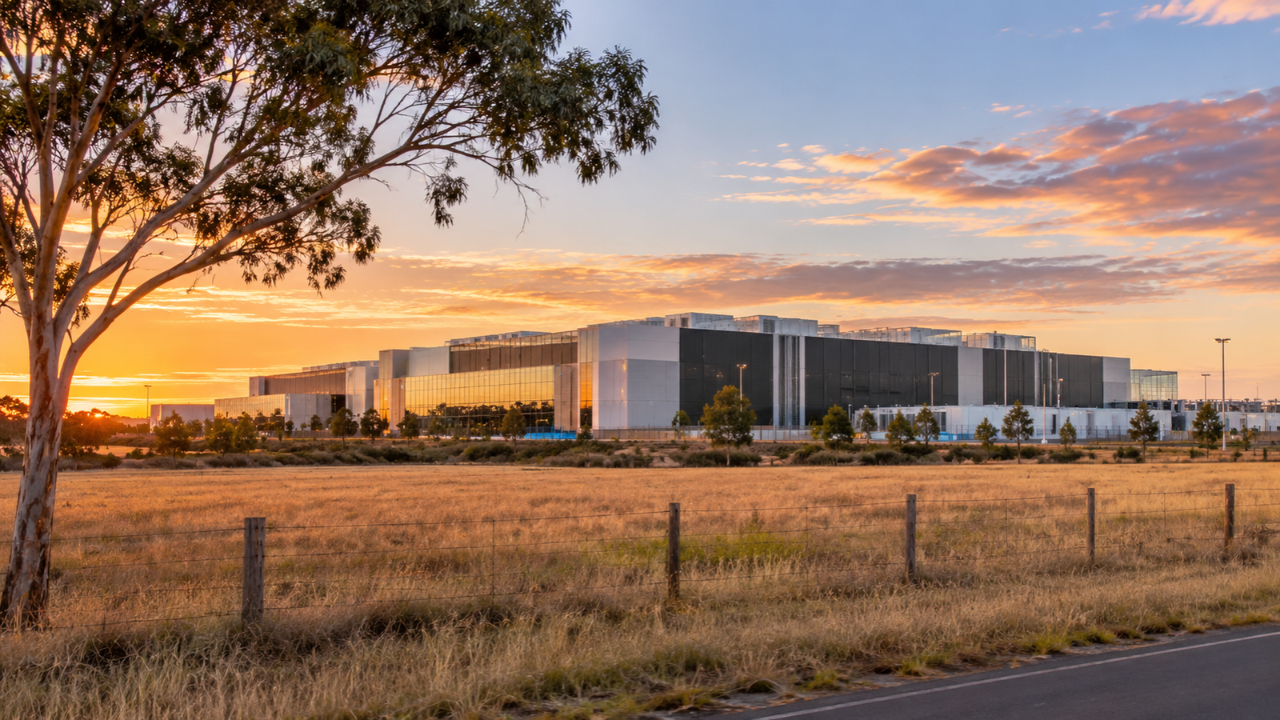
Five objections in a month. That's all the pushback Zerra DC was getting on its regional Queensland filing before Anthropic stepped into the picture.
Then September 15 arrived, Anthropic was named anchor tenant for the proposed Western Downs Digital Park, and the dam broke. By the time local public consultation closed on November 11, nearly 600 submissions had rolled in—595 objecting or asking for a delay, just two in support, and one sitting on the fence, according to a filing reported by Reuters. Dropping a massive artificial intelligence tenant onto farmland roughly 250 kilometres west of Brisbane turned a quiet rural planning file into a flashpoint overnight.
If you've watched hyperscale data centre fights in North America or Europe, none of the complaints will shock you. Water, electricity prices, noise, heavy construction traffic, and housing pressure topped the list. Yet this Queensland clash hits a nerve that goes way beyond a single council docket, landing right as Anthropic priced its Wall Street IPO at a roughly $1.5 trillion valuation on November 18 and communities worldwide push back against gigawatt-scale compute factories.
What Sparked the Backlash in Regional Queensland
On paper, the Western Downs sounds like a textbook match for heavy infrastructure. Situated west of Brisbane near Dalby and the Braemar substation, the region already anchors roughly 5.4 gigawatts of generation and storage capacity, with coal-fired stations and gas operations nearby. Zerra DC—backed by investors including Australian Data Centres and Macquarie Capital, with commercial property coverage also noting conditional links around Dexus—envisions four AI-ready stages totaling up to 1.44 gigawatts of IT capacity, with reports pointing to around 2.16 gigawatts at peak power draw and an estimated A$32 billion build-out over time.
Still, numbers on a developer pitch deck look very different from tractors and grid lines on rural roads. About a third of the submissions came from people living within 200 kilometres of the site. When residents see a multi-stage campus that could consume tens of gigawatt-hours a day at full scale, their first instinct isn't to celebrate cloud prestige. It's to ask who pays when regional power demand spikes, whether local aquifers or gas wells get squeezed harder, and what heavy trucks will do to country roads.
Here's the twist that trips up a lot of tech executives who've never worked in rural infrastructure. Locals aren't anti-progress in the abstract. Many of them live alongside resource and energy projects every day, which means they know the difference between glossy promises and real-world wear and tear. When a brand-name AI company signs on, expectations and skepticism both jump instantly.
Power, Water, Noise, and Roads Under Scrutiny
Let's be honest about the engineering claims here, because that's where hype meets physics. Zerra DC says the facility will rely on air cooling rather than water-based evaporative cooling, using processed water from nearby gas operations during construction and leaning on rainwater harvesting and on-site recycling once running. Switching to air cooling genuinely cuts direct water evaporation compared with older evaporative towers—a real engineering choice, not just marketing fluff.
Yet air cooling comes with a trade-off you can't wish away. Fans and chillers draw serious electricity and generate noise, while heavy compute loads push massive demand onto the grid. Zerra says it will draw from the national electricity market via a mix of existing Queensland generation and new supply, and cover the full cost of grid connection and required network upgrades. Paying your connection bill is good practice, though energy analysts and locals still question broader effects on wholesale power prices, local gas extraction, and emissions.
Then there are the unglamorous day-to-day headaches. Construction crews need places to sleep, pushing up pressure on tight regional housing. Trucks hauling steel, concrete, and switchgear chew up rural pavement. And around a 200-kilometre radius, people worry about industrial noise creeping into quiet country pockets. Even when a developer drafts environmental management plans, erosion controls, and rehabilitation rules, communities have seen enough half-kept promises to ask tough questions upfront.
Why This Isn't Just a Local Planning Squabble
If you think this fight stops at the Western Downs Regional Council boundary, you're missing the bigger picture. Australia has already had a rough run with data centre pushback—Goodman Group scrapped a roughly A$1.2 billion Sydney project in September after public backlash, and NextDC delayed a Melbourne project amid energy-use concerns. Across the Pacific, fights over power draw, permitting, and community impact are flaring up in places like Texas and Minnesota too.
At the same time, public submissions in Queensland aren't a binding referendum. Local council assessment, state oversight, environmental referrals, and regulatory sign-offs like Foreign Investment Review Board approval all shape what happens next, and Zerra has stated it is expanding community engagement and plans to report back on requested changes. Signing a lease gives Anthropic a foothold for potential capacity as early as 2027 if milestones line up, not a guarantee that bulldozers roll on schedule.
From years of watching major energy and industrial projects get bogged down, one mistake stands out above all others. Developers treat community consultation like a checkbox at the end of site selection instead of a design constraint from day one. When locals feel blindsided by a headline tenant announcement, trust evaporates before the first soil test is even finished.
Practical Next Steps for Developers, Policymakers, and Locals
Building gigawatt-scale AI infrastructure without triggering a neighborhood revolt isn't impossible, but it takes sharper execution than most project teams bring to rural regions. If you're working on—or tracking—a major data centre proposal, a few concrete moves separate serious operators from stalled ones:
- Publish plain-English resource budgets early: Share transparent estimates for peak electricity draw, water sources by construction versus operation phase, and expected heavy-vehicle counts before public comment windows close.
- Pair grid upgrades with clear ratepayer protections: Spell out how connection and network costs are ring-fenced so households aren't left wondering whether AI compute is driving up local bills.
- Solve housing and road wear ahead of mobilization: Map out workforce accommodation, acoustic buffers, and road-repair funding upfront rather than treating them as afterthoughts.
- Track regulatory milestones, not just comment counts: Follow formal council assessments, state planning decisions, and federal environmental or investment approvals to see what conditions actually stick.
Gigawatt ambitions won't survive on slide decks alone. Earn local credibility early, or watch every permit turn into a street fight.