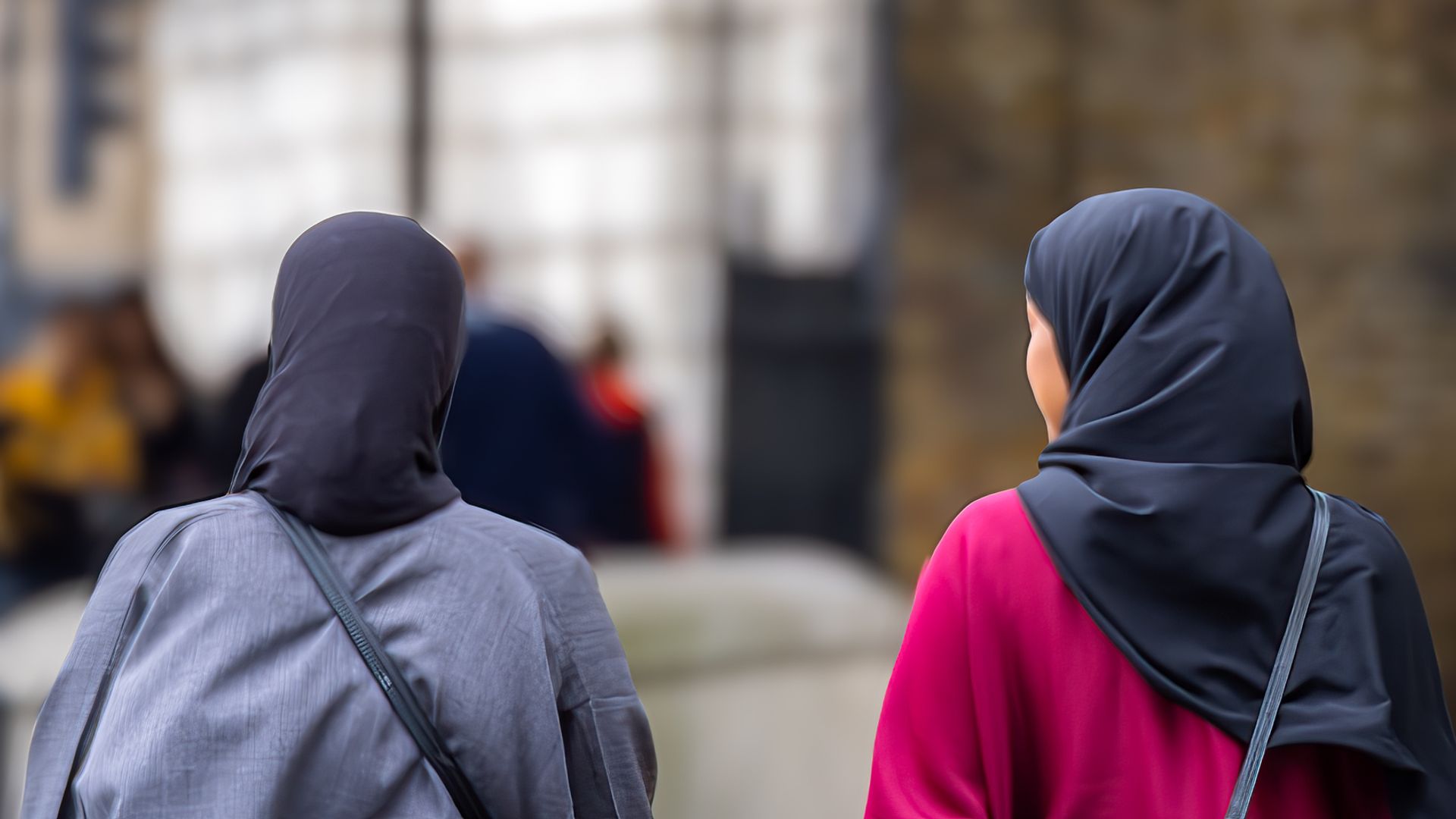
You don't need a formal report to see that something is wrong on London's streets. If you talk to anyone in the Muslim community today, they’ll tell you the atmosphere has shifted. It’s not just about the occasional headline anymore. It’s a constant, low-level hum of anxiety that’s turning into a roar.
Recent data confirms what many have felt for months: there’s been a sustained escalation of anti-Muslim hate in the capital. To put it bluntly, the first six months of 2026 have already seen more recorded incidents than the entirety of 2023. This isn't a minor bump in the road. It’s a systemic problem that’s hardening in plain sight.
Moving Beyond Street Harassment
When people think of Islamophobia, they usually picture a shouting match on the Tube or graffiti on a wall. While that remains a reality, the nature of the hate is evolving. It’s becoming more institutional, more digital, and frankly, harder to pin down.
The Islamophobia Response Unit (IRU) has highlighted a major shift. We are seeing a move away from simple public-space hostility toward something more insidious: institutional discrimination. Think of restrictive uniform policies in schools or workplace harassment that hides behind "geopolitical debate." It’s designed to push Muslims out of professional and educational spaces, not just to intimidate them on the street.
Data from the IRU’s 2026 report shows a massive 377% surge in incidents between 2023 and 2024. But here’s the kicker: while the raw numbers in 2025 moderated slightly, the complexity of the cases skyrocketed. We aren't just dealing with thugs anymore. We're dealing with institutional failure.
Why Women Bear the Brunt
If you look at the research, the gendered nature of this hate is undeniable. Dr. Shereen Hamed Shaw and others have documented this extensively. Muslim women, particularly those who are visibly Muslim, are disproportionately targeted.
Why? It’s a mix of visibility and cowardice. A person in a hijab or niqab is an easy target for those seeking to express "foundational" grievances against a community. A 2025 study by the Muslim Census found that 45% of Muslim women felt unsafe on public transport. Compare that to 8% of women nationwide. That’s not a coincidence. That’s a clear, targeted restriction on the freedom of movement for one specific group of people.
The Digital Echo Chamber
Let’s be honest about the role of the internet. The online world isn't just reflecting real-world hate; it’s accelerating it. It takes misinformation, amplifies it with harmful algorithms, and spits it back out as a justification for real-world violence.
The British Muslim Trust recently found that one in six Britons views the growth of the Muslim population as a "foundational threat" to culture. That doesn't happen in a vacuum. It happens because of the constant stream of skewed narratives hitting our feeds every single day. If you don't personally know a Muslim, it’s far too easy to let a bot or an extremist influencer define your entire worldview.
What Actually Needs to Happen
If you're tired of seeing these reports come out every few months without any real change, you're not alone. The cycle of "report, panic, forget" is killing our social cohesion. We need to move from awareness to action. Here’s what would actually make a difference:
- Institutional Accountability: We need to stop treating Islamophobia as an isolated incident here or there. Organizations, schools, and workplaces need mandatory cultural competence training. Not the "check-the-box" kind, but real, uncomfortable conversations about how their policies impact Muslim staff and students.
- Standardized Reporting: Right now, the system for recording hate crime is a mess. Different agencies use different metrics, which makes it easy for the authorities to downplay the scale of the problem. We need a unified approach to ensure every incident is documented correctly, especially when it’s institutional.
- Legal Teeth: The IRU has seen a 100% success rate in employment tribunal cases involving religious discrimination. That’s a signal. If you're a victim, document everything. Employers and institutions only change when they face financial and legal consequences.
- Interpersonal Connection: This sounds simple, but it’s the most effective tool we have. Hostility thrives in the absence of contact. If you’re not part of the community, don’t just read the headlines. Engage with local initiatives, attend open days at mosques, or just be a decent neighbor. Normalizing relationships is the best way to denormalize hate.
We are at a tipping point. If we don’t push back against this normalization of anti-Muslim rhetoric, it will continue to embed itself into the fabric of our city. It’s time to stop looking at the stats and start looking at how we can actually change the environment around us. Don't wait for the next report to realize there’s a problem. Take a stand today.