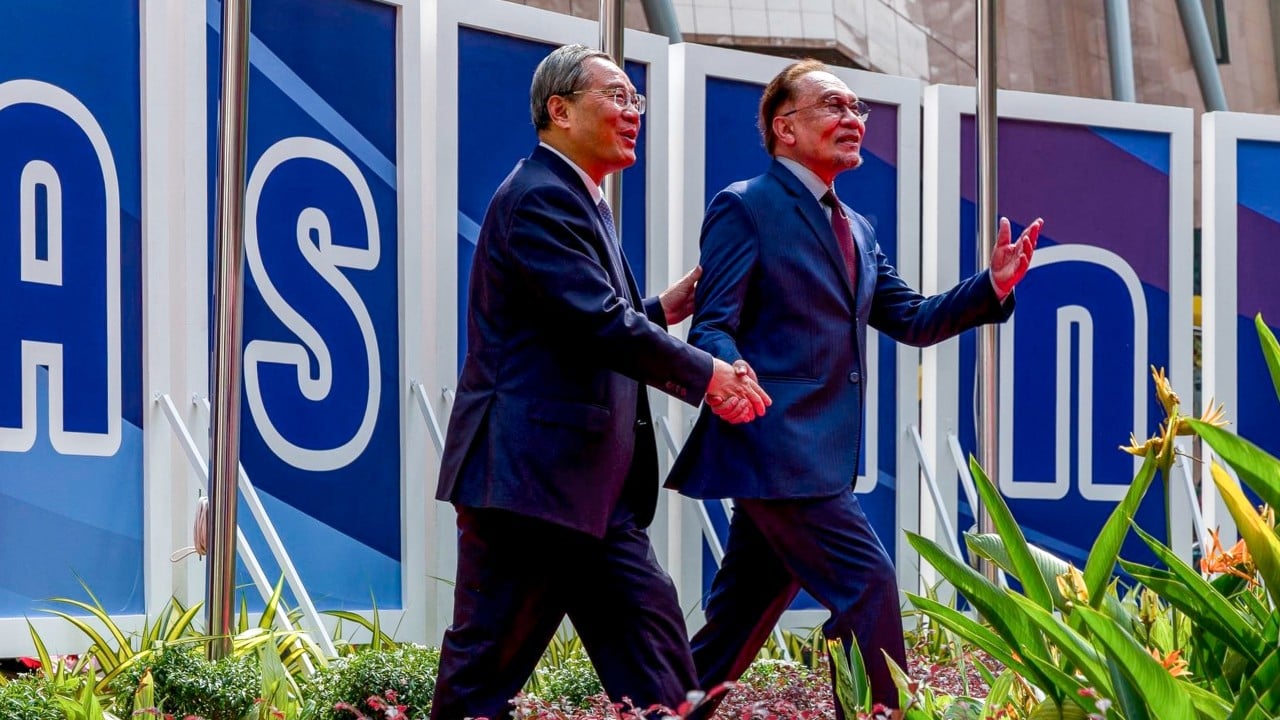
Prime Minister Anwar Ibrahim is making waves again. His upcoming trip to China isn't just another diplomatic photo-op. It's a calculated move to lock in economic gains during a time when global markets feel increasingly shaky. If you’ve been paying attention to the local headlines lately, you know the atmosphere is tense. Yet, for Anwar, the math is simple. China is Malaysia’s largest trading partner, and he’s betting the farm that closer integration is the only way to insulate the ringgit from external volatility.
Most people view these high-level visits through a strictly political lens. They obsess over the "One China" rhetoric or the latest diplomatic spat. While those headlines generate clicks, they often miss the real story: the nuts and bolts of trade. Behind the velvet ropes, the actual objective is de-risking the Malaysian economy. By shifting toward local currency settlements, Anwar is trying to move away from total dependence on the US dollar, which has been a source of constant frustration for developing economies.
The mechanics of the currency pivot
You might have heard the term "de-dollarization" thrown around by pundits. Honestly, that’s a bit of an exaggeration. When you look at the hard data, the ringgit and yuan are being used for about 18% of bilateral trade between the two nations, up from just 5% a few years ago. That’s a massive jump, but it’s not an overnight replacement for the dollar.
Anwar knows this better than anyone. He’s been vocal about the fact that the dollar remains key for global financial stability. The real strategy here is creating a buffer. By utilizing local currencies for direct trade, Malaysia reduces its exposure to the erratic swings of the greenback. It’s practical, not ideological. If you’re a Malaysian business owner dealing with Chinese suppliers, this shift is already starting to simplify your cross-border payments. It’s about efficiency, not making a political statement against Washington.
Why China is the go-to partner
The relationship has moved well beyond the old "win-win" narratives of the early 2020s. We’re in a new phase of tech-heavy integration. If you look at the recent investment data, there’s a clear trend: semiconductors, data centers, and clean energy.
Take a look at the industrial corridors. Penang is becoming a powerhouse for electronics, while Johor is turning into a regional hub for data centers. These aren't just random projects. They are part of a coordinated effort to align Malaysia’s manufacturing sector with China’s need for "friendshoring."
- Supply Chain Stability: Chinese firms are looking for neutral ground to bypass global trade barriers. Malaysia fits the bill perfectly.
- Tech Transfer: It’s not just about building factories. It’s about importing the digital platforms and battery tech that will drive the next decade of growth.
- Financial Resilience: As mentioned, the move toward yuan-settlement is a long-term play to survive whatever the next global financial crisis throws our way.
Critics will point to the recent friction over Taiwan and say this partnership is a risk. They argue that leaning too hard on Beijing could spook other investors. But that’s a superficial take. Foreign direct investment (FDI) isn't driven by empty rhetoric. It’s driven by infrastructure, legal certainty, and market access. Anwar’s bet is that the long-term economic gains will outweigh the short-term noise.
What this means for your bottom line
If you’re watching these developments, don’t get distracted by the diplomatic theatrics. Focus on the policy shift. The government is essentially building a bridge to one of the world's largest consumer bases. If you’re involved in logistics, tech, or manufacturing, you need to be watching which sectors are receiving the bulk of these new memorandums of understanding (MoUs).
The move toward local currency isn't going to stop. Expect more initiatives that favor trade efficiency over legacy banking systems. If your business relies on imports from China, the administrative barriers are slowly coming down. It’s time to familiarize yourself with the current settlement mechanisms. Ignoring the trend because it sounds "political" is a mistake.
Anwar is playing a high-stakes game. He’s juggling the pressure of regional stability while trying to secure the financial future of the country. Whether or not he succeeds depends on how well these agreements translate into actual, tangible economic growth for the average Malaysian. The trip next month will be a litmus test. Watch the deal list, not the press conferences. If you want to stay ahead, keep an eye on the infrastructure projects currently being fast-tracked. That’s where the real impact will be felt for years.