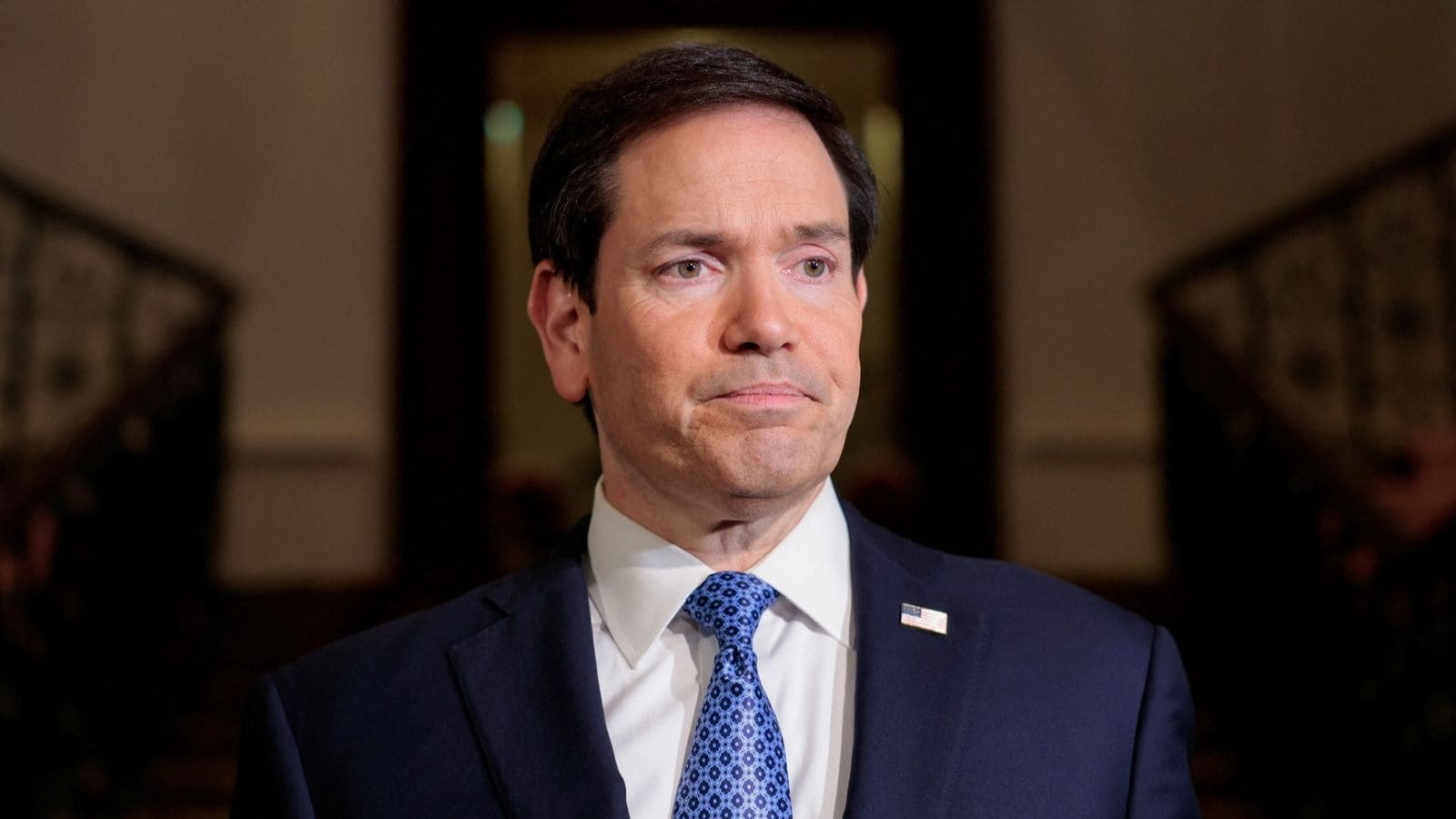
The image of Hui Ka Yan—once celebrated as China's richest man—standing in a courtroom behind a sign marking him as a "defendant" is more than a news headline. It is the final punctuation mark on a fever dream that lasted three decades. A Shenzhen court has sentenced the Evergrande founder to life in prison, alongside a staggering multi-billion dollar fine for the group. If you thought this was just another corporate bankruptcy, you’re missing the bigger picture.
The End Of An Era For Chinese Real Estate
When Evergrande defaulted in 2021, the world watched with bated breath. With liabilities exceeding $300 billion, it was the largest real estate developer to ever buckle under its own weight. This wasn't just a company failing; it was a symptom of a systemic addiction to leverage. For years, the model was simple: borrow, build, sell before completion, and repeat. For an alternative view, see: this related article.
The court’s decision to impose a life sentence isn't just about punishing one man for inflating assets and hiding liabilities. It serves as a blunt instrument of policy. Beijing is signaling that the era of "growth at any cost" is dead. The housing market has shed roughly 20% of its value since the peak, leaving millions of middle-class families in a state of suspended animation, waiting for homes that may never be finished.
Beyond The Headlines Of Financial Fraud
Most people look at the $80 billion in overstated revenues and focus on the numbers. But look at the mechanics of how this happened. Evergrande didn't just cook the books; it created a shadow economy. By booking revenue prematurely—counting money from apartments that hadn't even broken ground—the company created a phantom reality. Further insight on this matter has been provided by Financial Times.
This is where the "experience" of observing these markets becomes telling. You see patterns. When developers start building electric vehicles, professional football clubs, and theme parks while their core business is heavily leveraged, those are warning signs. It’s the classic "empire builder" syndrome. Hui wasn't just running a business; he was running a country within a country, fueled by cheap credit and blind optimism.
Why The Regulatory Crackdown Matters
This sentence is the climax of a multi-year campaign to deleverage the property sector. Authorities didn't just wake up one day and decide to jail the boss. They spent years trying to rein in the "Three Red Lines" policy, a set of financial metrics aimed at forcing developers to reduce debt.
When you look at the sheer scale of the penalties—billions of dollars in fines—you realize this is meant to be a deterrent for the entire industry. It says to the next generation of CEOs: the party is over.
What This Means For You
If you’re watching the global economy, the takeaway is simple. Over-leveraged growth eventually hits a wall. Whether it's a giant property developer in Shenzhen or a tech startup in Silicon Valley, the physics of finance remain the same. Eventually, the bill comes due.
For the average investor or someone following international markets, pay attention to the shift in how capital is being allocated. We are moving away from the era of "easy money" and into a period where transparency and actual, verified balance sheets matter.
Taking Practical Steps
Don't ignore the warning signs in your own portfolio or business ventures:
- Check the leverage. If a company is growing exponentially but its debt load is growing faster, exit.
- Beware of diversification vanity. Does the business really need a side project in a completely unrelated, high-capex industry? Usually, that's a sign of a distracted management team.
- Follow the cash flow, not the projections. Anyone can make a slide deck look good. Actual cash hitting the bank is the only metric that doesn't lie.
The imprisonment of Hui Ka Yan is a stark, heavy reminder that even the most powerful figures in an industry aren't immune to the structural forces of an economy. The "Evergrande Saga" wasn't just about bricks and mortar. It was a masterclass in how not to manage a balance sheet. The trial is over, but the fallout will be felt for another decade.