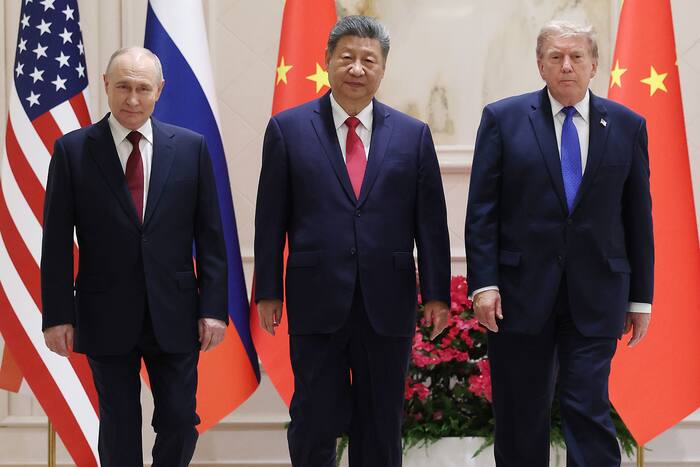
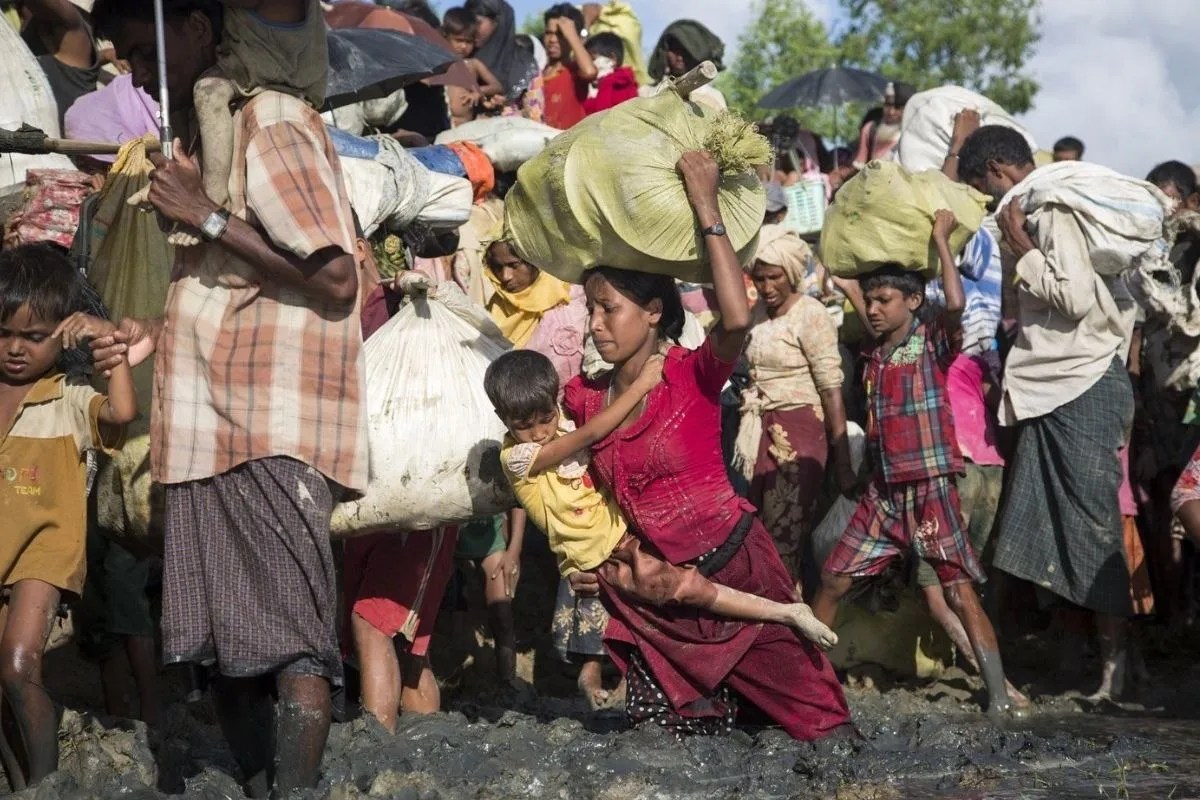
When world leaders gather for a summit focused on trade, innovation, and regional prosperity, human rights abuses usually get pushed into the back seat. That's exactly what the East Turkistan Government in Exile is fighting against as the 33rd Asia-Pacific Economic Cooperation (APEC) Economic Leaders' Meeting unfolds in Shenzhen on November 18 and 19, 2026. With Chinese President Xi Jinping hosting and regional heads of state in town, the exile group has urged APEC leaders to confront Beijing directly over what it calls an ongoing genocide against Uyghurs and other Turkic peoples, impose targeted sanctions, and support East Turkistan's independence.
Let's be honest about the stakes here. APEC isn't a human rights tribunal, and diplomats love talking about "mutual prosperity" while sweeping uncomfortable realities under the rug. Still, sitting across the table from Xi Jinping in his own backyard without raising mass detentions, forced labor, and transnational repression sends a loud message of its own. It tells Beijing that economic cooperation comes first, no matter what happens in the interior.
Why APEC Leaders Face Pressure Over East Turkistan Now
Timing changes everything in international politics. Holding the APEC summit in Shenzhen—a showcase city of Chinese tech, manufacturing, and ambition—puts the spotlight squarely on Beijing's global standing. Leaders from across the Pacific are negotiating supply chains, rare earth access, AI rules, and trade frameworks while staring at a host government facing years of documented accusations regarding its treatment of Uyghurs, Kazakhs, Kyrgyz, and other predominantly Muslim groups.
In its November 18, 2026 appeal, the East Turkistan Government in Exile didn't just issue a vague moral plea. It laid out six concrete demands for visiting governments:
- Direct confrontation in meetings: Press Xi Jinping on ending abuses, freeing arbitrarily detained people, accounting for the disappeared, reuniting families, and letting independent investigators in without restrictions—then publicly share what was asked and how Beijing responded.
- Targeted sanctions and tech curbs: Hit responsible officials, security bodies, and entities like the Xinjiang Production and Construction Corps (often called the Bingtuan) with coordinated sanctions, while restricting financing and surveillance tools used to track and control populations.
- Supply chain enforcement: Keep goods tied to forced labor out of APEC markets, including products routed through third countries, and tighten forced-labor rules inside trade agreements.
- Protection for diaspora communities: Investigate intimidation, surveillance, and threats against East Turkistanis living abroad, stop forced returns, and end security cooperation that puts people at risk.
- Accountability mechanisms: Preserve evidence, protect witnesses, and back criminal investigations and international legal avenues addressing genocide and crimes against humanity.
- Decolonization and sovereignty: Recognize East Turkistan as an occupied territory and back its people's right to self-determination and restored independence.
A similar urgency came from the World Uyghur Congress just a day earlier on November 17, 2026, urging leaders in Shenzhen to ask directly about missing relatives and report back to families. That overlap matters. Even when exile and advocacy groups differ on long-term political models or tactics, they are converging on a basic demand for transparency: don't make quiet concessions behind closed doors and pretend the issue doesn't exist.
What the Evidence Shows and Where Debates Stand
Anyone following this issue knows the facts are fiercely contested in diplomatic rhetoric, yet heavily documented by outside researchers and international bodies. The 2022 UN Human Rights Office assessment found credible evidence of serious, widespread human rights violations in what Beijing officially calls the Xinjiang Uyghur Autonomous Region—including arbitrary detention in facilities framed as vocational or re-education centers, reports of torture and ill-treatment, coercive birth-control and sterilization practices, and labor programs involving coercion. Those findings noted that the pattern of abuses could amount to crimes against humanity.
Forced labor has become one of the sharpest flashpoints for trade-focused blocs like APEC. The U.S. Department of Labor and customs enforcement regimes, such as the Uyghur Forced Labor Prevention Act entity tracking maintained by the U.S. Department of Homeland Security, have documented state-backed labor transfers and named organizations like the Xinjiang Production and Construction Corps in connection with forced labor risks. Because global supply chains for textiles, solar components, agricultural goods, and electronics weave through multiple countries, a product assembled in one place can easily contain inputs traced back to coerced labor elsewhere.
Legal and policy debates add another layer of friction, especially around China's Law on Promoting Ethnic Unity and Progress, which took effect in July 2026. Exile groups and UN human rights experts have warned that the law risks tightening state control over minority identities and extending pressure overseas. Meanwhile, Beijing flatly rejects allegations of genocide, forced labor, and systemic abuse, arguing its policies are lawful measures aimed at countering extremism, separatism, and terrorism, boosting stability, and lifting local living standards.
There is also a real debate among governments and analysts about how to apply pressure. Some lawmakers and advocates push for sweeping sanctions, strict import bans, and full diplomatic confrontation. Others argue that quiet bilateral engagement or narrow, enforceable trade rules—like strict origin tracing and forced-labor bans—get better practical traction than public standoffs that prompt retaliatory trade blocks. In my view, quiet diplomacy without public accountability usually fades into background noise. If leaders raise concerns privately and never disclose what happened, families get zero answers and Beijing pays zero political cost.
Why Independence Is the Biggest Stick in the Argument
Calling for East Turkistan's independence pushes the conversation into territory most APEC governments won't touch. Almost every member state operates under formal "One China" diplomatic policies and treats questions of sovereignty or territorial status in western China as a red line. Even governments that have publicly labeled Beijing's treatment of Uyghurs as genocide or crimes against humanity typically stop short of endorsing independence or calling the region an occupied state.
That doesn't make the demand disappear. For the East Turkistan Government in Exile, sovereignty isn't a secondary talking point; it's the core diagnosis. Their argument is straightforward: as long as Beijing holds unchecked political and security control over the region, legal promises on paper won't protect people on the ground.
Still, there's a practical gap between what exile groups demand and what APEC summits actually produce. APEC operates by consensus and focuses heavily on economic integration, digital trade, and regional stability. Expecting a joint APEC communique in Shenzhen to endorse independence or sanction the host government is unrealistic. Expecting individual leaders to press hard on forced labor enforcement, diaspora safety, and detained individuals—and to say publicly that they did—is much more grounded in how summit diplomacy actually works.
Common Misconceptions That Trip People Up
When headlines mix trade summits, human rights labels, and regional names, a few misunderstandings pop up all the time.
First, people often treat "Xinjiang" and "East Turkistan" as interchangeable without realizing the political weight behind each name. Beijing uses Xinjiang ("New Frontier" or "New Territory") as its official administrative designation. Uyghur independence advocates and exile bodies use East Turkistan to assert a distinct historical identity and challenge Chinese rule. Knowing which term a speaker uses—and why—helps you read statements accurately.
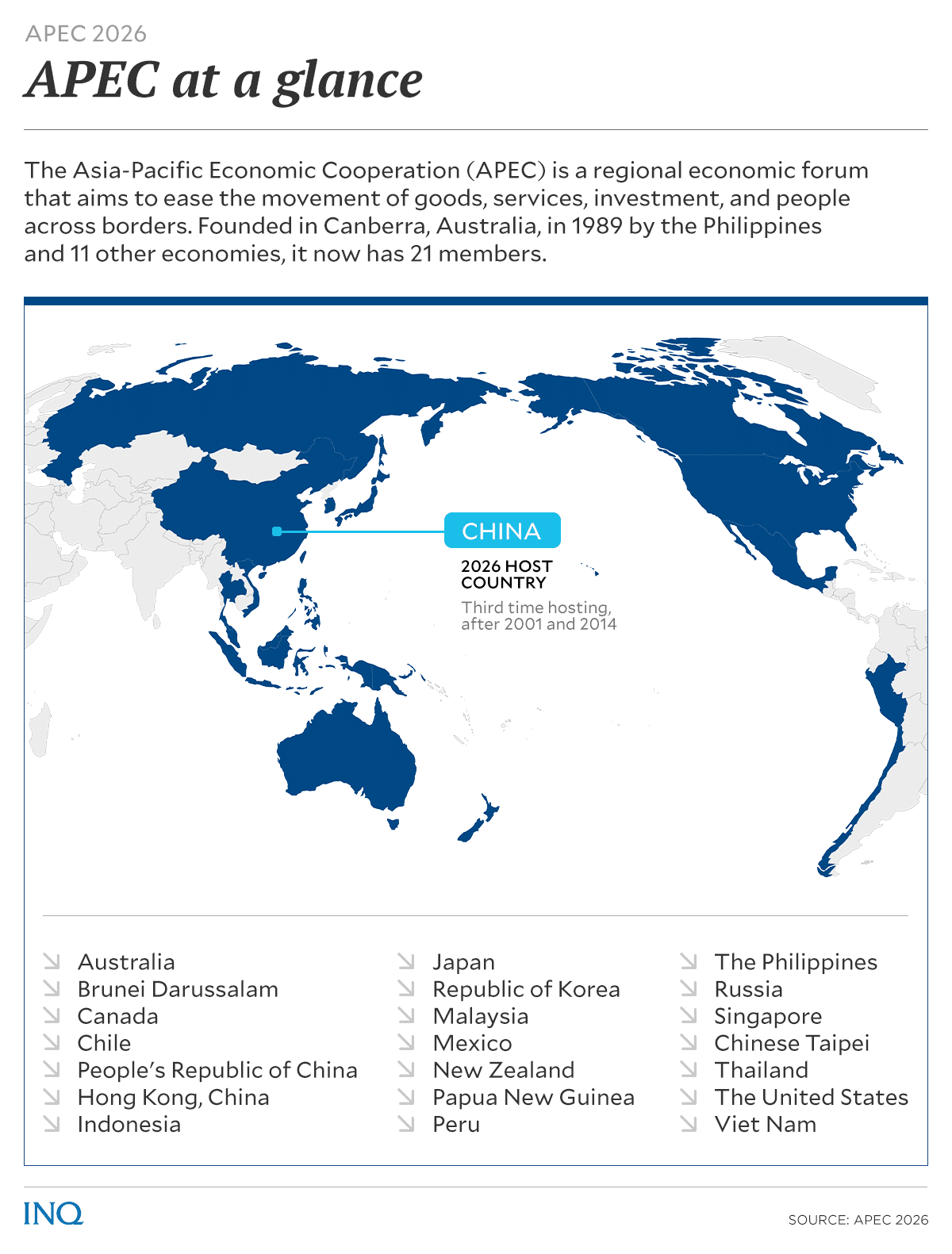
Second, folks sometimes assume APEC is a binding enforcement body like a court or a customs union with shared police power. It isn't. APEC is a forum of 21 Pacific Rim economies that makes non-binding commitments and coordinates policy frameworks. Real enforcement happens through national laws, customs agencies, sanctions authorities, and multilateral treaties—not by APEC press releases alone.
Third, it's a mistake to think forced-labor risks only show up in obvious "Made in China" labels. Complex manufacturing means cotton yarn, polysilicon, or processed minerals can move through factories in several countries before a finished item hits a store shelf. Tracking supply chains takes real auditing and customs data, not guesswork.
Practical Steps You Can Take Right Now
Whether you're tracking geopolitical risk for business, researching human rights policy, or simply trying to make sense of the news coming out of Shenzhen, you don't have to rely on second-hand soundbites.
- Read primary reports alongside official responses. Compare UN assessments, civil society briefings, and customs enforcement lists against official statements from Beijing and APEC governments so you see both the documented evidence and the diplomatic pushback.
- Audit supply chains beyond the final assembler. If you work in procurement, retail, or compliance, ask suppliers for multi-tier sourcing documentation and watch for transshipment red flags—especially in apparel, agriculture, metals, and green-tech components.
- Track post-summit follow-through, not just summit headlines. Big meetings generate plenty of photo ops and big rhetoric. The real test happens in the weeks after Shenzhen: whether governments publish readouts of tough talks, tighten import enforcement, or protect diaspora residents from intimidation at home.