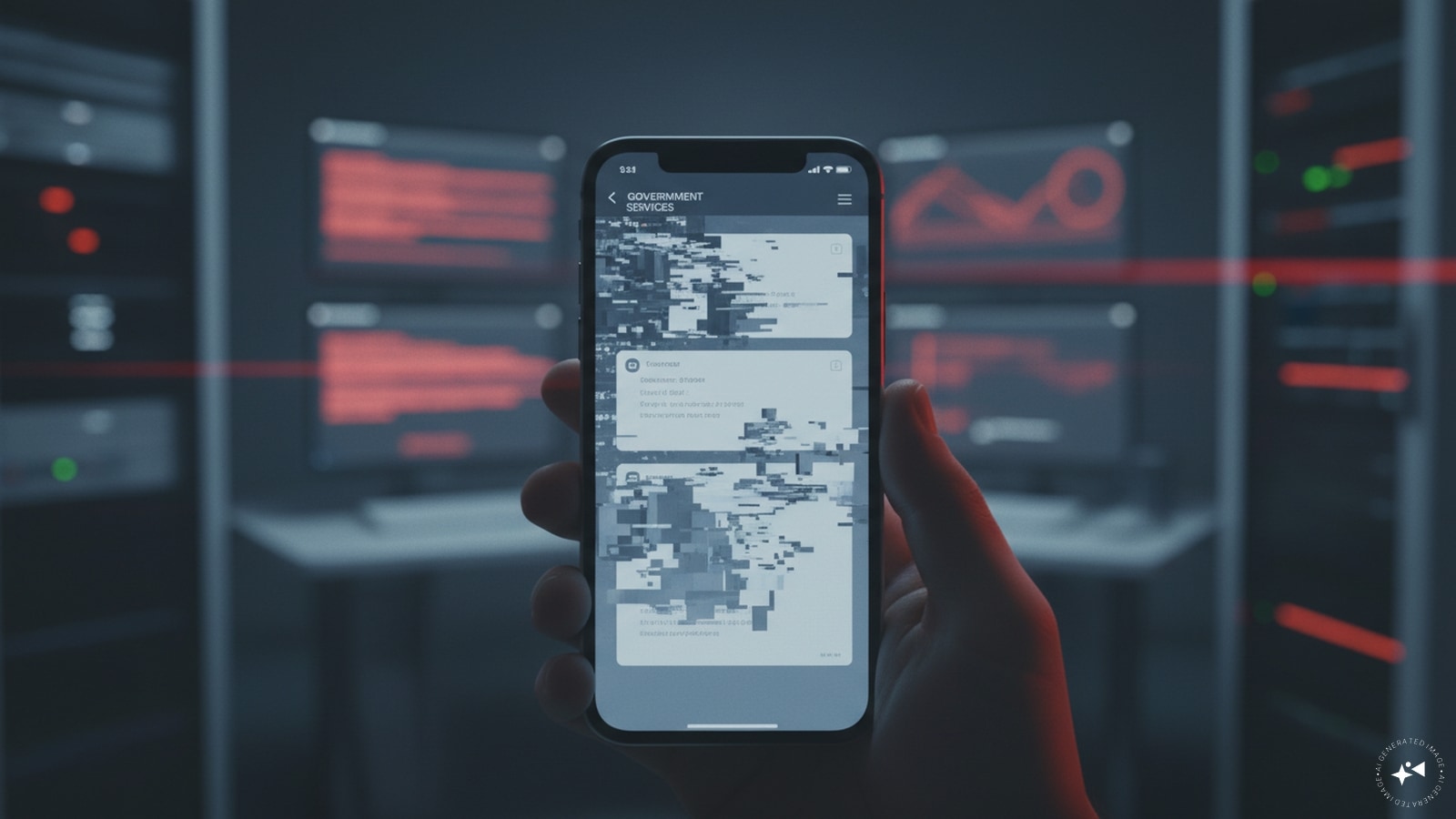
Your phone isn't as secure as you think. Apple recently issued a massive wave of threat notifications to targeted iPhone users across 99 countries, warning them about sophisticated mercenary spyware attacks. If you received one, it means your device has likely been in the crosshairs of state-backed actors or commercial surveillance firms. If you didn't, don't close this tab just yet.
Let's break down what these alerts actually mean, why mercenary spyware is terrifyingly effective, and how you can protect your digital life without throwing your phone into the nearest river.
The Reality of Mercenary Spyware Attacks
Most cyberattacks rely on brute force or lazy phishing. Mercenary spyware operates on an entirely different plane of existence. Developed by secretive firms and sold to the highest-bidding governments, these tools exploit zero-day vulnerabilities in iOS. They require zero user interaction. You don't need to click a sketchy link, open an email, or download a suspicious app. A silent payload drops onto your device, quietly harvesting messages, tracking your location, and recording audio or video before vanishing without a trace.
Apple's recent notifications, sent out in late October 2026, mark another chapter in an ongoing battle against commercial surveillance. Since Apple started issuing these warnings in 2021, users in over 150 countries have been flagged. The latest batch hit high-profile individuals like journalists, activists, and documentary filmmakers whose work threatens powerful entities.
The cold truth is that these attacks are rare for the average person, but when they happen, they are catastrophic.
Spotting Fake Apple Warnings
Hackers love a good crisis. Whenever Apple issues a major security alert, cybercriminals crawl out of the woodwork to send phishing emails that mimic the official notices.
You need to know how to spot a fake.
- Real Apple threat notifications never ask you to click a link.
- They never demand your Apple ID password or verification codes.
- They won't ask you to install a configuration profile or any third-party app.
If you receive a legitimate alert, Apple sends an email and an iMessage to the addresses and phone numbers associated with your Apple ID. When you log into your account at appleid.apple.com, the warning banner stares you right in the face at the top of the screen. If you get a random text message telling you your phone is hacked with a convenient link to fix it, block the number immediately. That's a scammer trying to steal your credentials.
How to Harden Your iPhone Right Now
You don't need to be an investigative journalist in a conflict zone to care about device security. While 99-country spyware sweeps target specific high-value individuals, basic digital hygiene stops garden-variety malware and opportunistic hackers cold.
First, stop treating software updates like a chore. When Apple pushes an emergency patch to fix a memory corruption bug or boundary check flaw, install it immediately. Zero-day exploits rely on unpatched software to dig their claws into your system.
Second, if you have genuine reason to believe you are a target of state-sponsored surveillance, turn on Lockdown Mode. Buried under your settings, this feature radically restricts messaging attachments, blocks complex web technologies, drops incoming FaceTime calls from unknown numbers, and disables wired accessories when your phone is locked. It turns your iPhone into a digital fortress, sacrificing everyday convenience for absolute ironclad security.
Finally, remain vigilant. The spyware market isn't going away anytime soon, and threat actors continue finding new ways to weaponize everyday digital infrastructure. Stay updated, keep your backups clean, and trust your instincts if your phone starts acting strangely.