Power doesn't wait for parliamentary votes. It just moves. When decisions that reshape regional security happen behind closed doors, everyone pretends to be shocked. You shouldn't be.
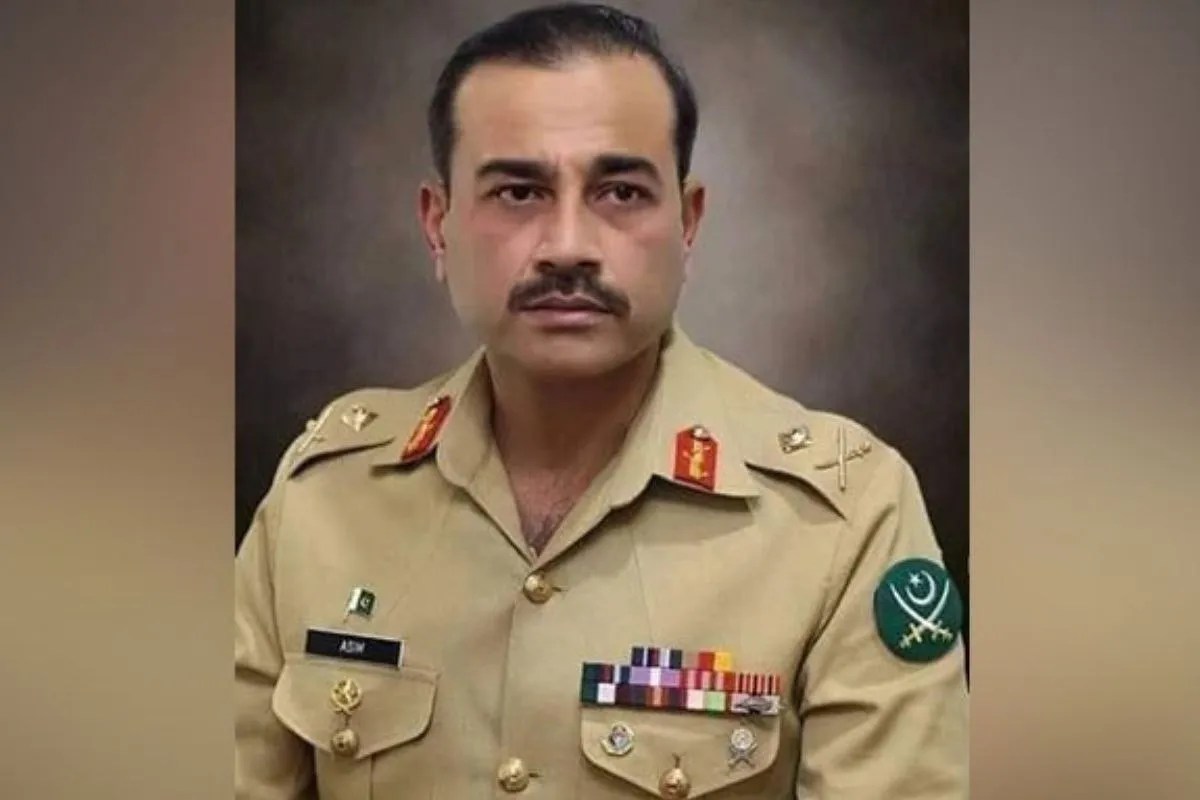
Pakistan sending military personnel to Saudi Arabia without a formal parliamentary vote tells you exactly where power lies in Islamabad today. General Asim Munir isn't waiting for a debate. He is calling the shots. If you think civilian oversight dictates foreign military deployments in Pakistan, you are missing the entire plot.
Let's look at what is actually happening. Saudi Arabia needs security guarantees. Pakistan has surplus military capacity and a long-standing defense pact history. But bypassing parliament isn't just a procedural shortcut. It is a massive statement on civil-military power dynamics under Asim Munir.
The Anatomy of Real Power in Islamabad
Parliaments are loud. Generals are quiet. When Pakistan's military establishment decides to deploy troops abroad, they don't look for a show of hands from elected members of the National Assembly. They look at strategic alignment and financial survival.
Pakistan's economy has been on life support for years. Riyadh has repeatedly bailed Islamabad out with billions in loans and oil credits. You don't say no to your primary financial lifeline when they ask for security cooperation. But there is a massive gap between a traditional defense agreement and a unilateral military deployment greenlit purely by the army chief.
Asim Munir has consolidated authority rapidly. He controls the narrative, the security apparatus, and increasingly, the economic roadmap through the Special Investment Facilitation Council. When troops move to Riyadh without a parliamentary debate, it proves that the civilian government is basically a spectator. Prime Minister Shehbaz Sharif isn't driving this bus. The General Headquarters is.
Why Saudi Arabia Wants Pakistani Boots on the Ground
Riyadh has a security dilemma. They face complex regional threats, porous borders, and a shifting geopolitical landscape in the Middle East. Western security umbrellas aren't entirely reliable anymore. They want battle-tested professionals who know how to handle high-stakes environments.
Pakistan's army offers unmatched combat experience, especially in counter-insurgency and tactical defense. Troops have spent decades fighting internal militant networks along the western border. Saudi military planners know this expertise is invaluable for training and internal defense operations.
Yet, this relationship isn't new. For decades, Pakistani soldiers have been stationed in the kingdom. So why is everyone losing their minds over this specific deployment? Because of the domestic political vacuum in Pakistan. Previous deployments usually involved at least some token parliamentary consensus or debate to maintain a veneer of democratic legitimacy. Today, that facade is crumbling.
The Cost of Bypassing Democratic Institutions
When you cut elected representatives out of major foreign policy decisions, you break the contract between the state and its citizens. Critics are furious. Opposition figures are calling it an unconstitutional move that treats the military as a mercenary export rather than a national defense force.
They have a point. If Pakistani soldiers bleed and die on foreign soil, the public deserves to know why through an open, transparent parliamentary debate. Bypassing the assembly creates dangerous precedents. It signals that executive and legislative oversight are optional extras rather than core components of governance.
- Accountability gaps: No official transparency on the number of troops deployed or their exact rules of engagement.
- Financial opacity: Questions linger about whether these deployments bring direct state revenue or just bail out central bank reserves temporarily.
- Strategic overreach: Committing troops abroad when internal security challenges at home remain critical is a massive risk.
What Asim Munir's Rising Power Means for the Region
Asim Munir is playing a long, calculated game. By positioning himself as the indispensable partner for Gulf monarchies, he secures financial backing that keeps Pakistan afloat while simultaneously sidelining domestic political rivals. Imran Khan is locked away. The civilian government is weak and compliant. The military is firmly back in the driver's seat of foreign policy.
This has direct implications for India, Iran, and the broader Middle East. A heavily militarized alliance between Islamabad and Riyadh reinforces old security blocs. Tehran watches these moves with intense suspicion, fearing that Pakistani troops could tilt the regional balance further against Iranian interests. Meanwhile, Washington looks on with quiet approval, preferring a stable, military-backed Islamabad that keeps Riyadh happy over a chaotic, unstable nuclear state.
How to Track the Real Impact Moving Forward
If you want to understand where Pakistan is heading, stop watching the daily talk shows in Islamabad. They are mostly noise. Watch the financial flows and the military diplomacy instead.
- Track bilateral economic packages announced by Riyadh alongside defense pacts.
- Monitor visits between top Pakistani military brass and Gulf defense ministers rather than civilian cabinet ministers.
- Watch how opposition parties attempt to mobilize public sentiment against unilateral executive decisions.
Don't expect the military to apologize for securing the nation's financial lifeline. In the realpolitik of South Asia, survival comes before parliamentary etiquette. Asim Munir knows this better than anyone. He is securing Pakistan's immediate financial survival by trading on its military capital, and he doesn't care who gets upset in the process.