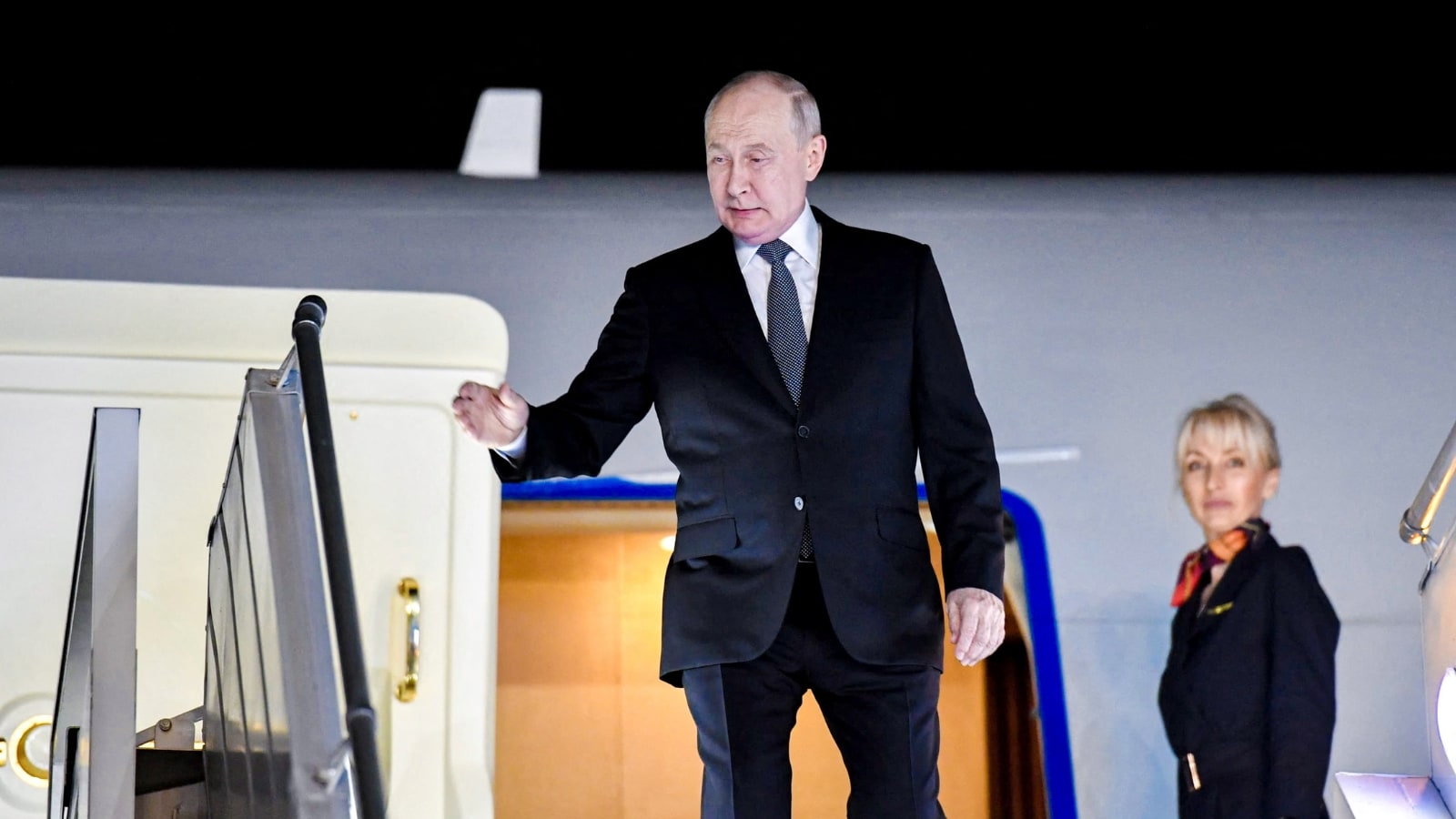
An Irish Air Corps jet touched down at a military airport outside Dublin under the cover of a massive security operation. On board was 49-year-old Daniel Kinahan, a man long accused of running a sprawling international drug trafficking and money laundering empire. For years, he lived comfortably in the luxury of Dubai, operating far beyond the immediate reach of European courts. That exile ended when a UAE court rejected final blocks on his extradition, forcing him back to face the full weight of the state.
The prosecution changes the game entirely. Kinahan was brought directly to Dublin's Special Criminal Court, where he was formally charged with directing the activities of an organized crime organization between October 2015 and April 2017. This isn't just another routine arrest. It represents a monumental shift in international law enforcement cooperation and deals a psychological blow to transnational syndicates who assumed wealth and geography could buy immunity. In other updates, take a look at: Why Germany Rearming Changes Everything About European Security.
The Long Road From Dubai to Dublin
For years, the narrative surrounding the Kinahan Organised Crime Group felt like a frustrating stalemate. While US authorities slapped multi-million dollar rewards on the leadership and designated them alongside global narco-terrorist networks, daily operations continued from sun-drenched boltholes. Dubai became the default sanctuary for high-level European fugitives who believed local jurisdictions were impenetrable.
That bubble burst because police forces changed tactics. Instead of relying solely on sporadic intelligence sharing, Ireland and the United Arab Emirates quietly forged robust bilateral extradition and legal assistance treaties. When the legal framework solidified, the escape routes vanished. Dubai Police arrested Kinahan within days of receiving the formal Irish warrant, moving with a speed that shocked defense circles and dismantled the illusion of permanent safe havens. USA Today has analyzed this fascinating subject in extensive detail.
Inside the High-Security Fallout
The logistical footprint of Kinahan's return speaks volumes about the perceived threat level. Transported in a high-security convoy utilizing specialized armored transport, he was remanded directly into custody at Portlaoise Prison, Ireland's maximum-security facility.
During his brief appearance before a three-judge panel at the Criminal Courts of Justice, Kinahan appeared in a black hoodie, requesting water and noting he had been held in isolation since his initial apprehension. With no legal representation immediately present in the courtroom, the stark reality of his legal jeopardy set in instantly. The charges he faces carry severe penalties under Irish legislation designed specifically to dismantle command structures without needing to prove direct involvement in every individual street-level crime.
What This Means for Global Organized Crime
Law enforcement agencies across Europe and the United States are popping champagne, but the broader implications run deeper.
- Geographic Arbitrage is Dead: Living in luxury Gulf states no longer shields major cartel figures from European warrants.
- Financial Isolation: As the leadership faces concrete prosecution, remaining assets and shell companies face accelerated dismantlement.
- The Domino Effect: Junior associates sitting on foreign shores now realize that loyalty to an extradited boss offers zero long-term protection.
The cartel once considered itself untouchable, controlling massive slices of the European cocaine market alongside transnational partners. Today, its core architect sits in a solitary cell awaiting trial.
Check local court schedules for upcoming trial dates, and monitor how international financial task forces target the remaining frozen assets linked to the network.