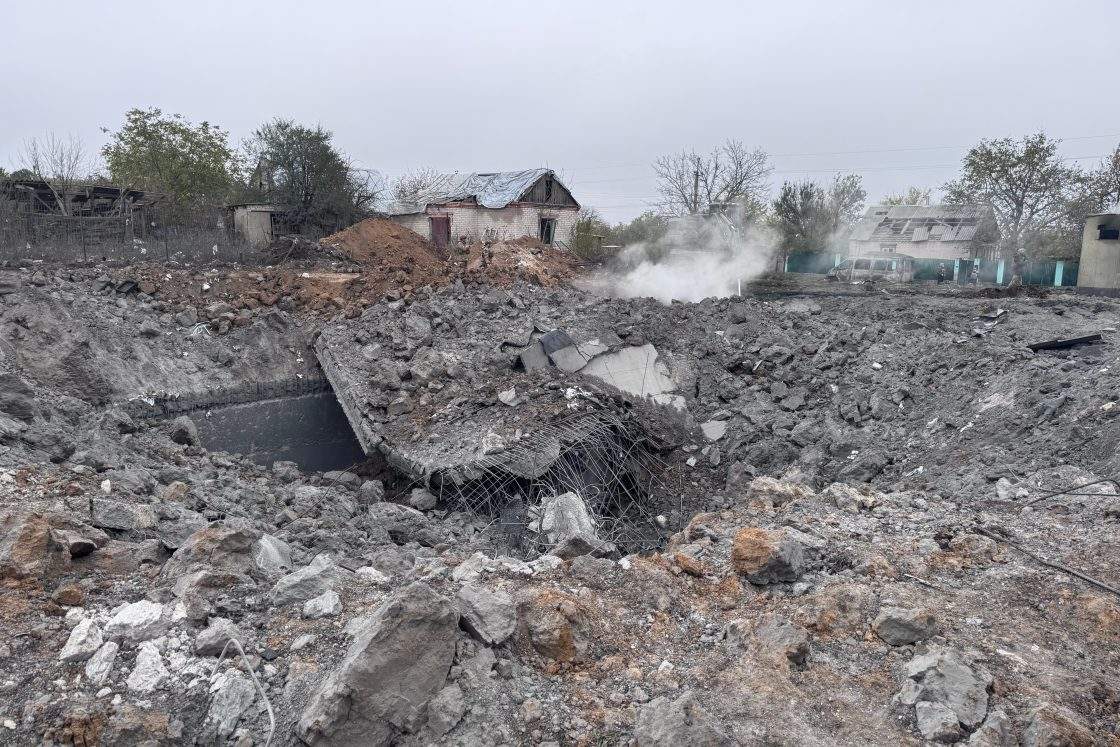
Rescue teams are still pulling bodies from the cratered rubble in Komyshuvakha. The death toll after a Russian airstrike hit a humanitarian aid center and a nearby shelter in southern Ukraine's Zaporizhzhia region has climbed to 31, with dozens of people remaining missing under the collapsed concrete.
If you've been following the headlines, you know that civilian infrastructure has taken a beating over the last few years. But targeting a routine distribution site where locals gathered for basic survival supplies crosses a grim new line. It wasn't a stray missile. It was a calculated double-tap that also caught the first responders arriving to save lives.
Let's break down what actually happened, why this specific attack matters right now, and what it signals for the immediate future of the conflict.
The Anatomy of the Strike on Komyshuvakha
The attack hit a former school building in Komyshuvakha that had been repurposed as a local humanitarian aid hub. Civilians came here regularly to get food, winter provisions, and basic medical supplies.
When the initial strike hit, people scrambled into a nearby shelter. Witnesses and local authorities confirmed that a subsequent strike targeted that exact shelter area. Among the dead are four police officers and two rescue workers who rushed to the scene after the first explosion.
This method—striking a site and then hitting it again as emergency crews arrive—turns rescue operations into active combat zones. It's a brutal tactic designed to maximize casualties among both vulnerable civilians and the people trying to keep them alive. Three days of official mourning were declared across the Zaporizhzhia region as families searched the white plastic sheeting used for the recovered bodies.
A Broader Wave Across Ukraine
This wasn't an isolated incident. The strike on the aid center coincided with a massive nationwide barrage that hit power plants, medical facilities, and residential areas.
Look at what happened simultaneously across the country:
- In Kharkiv, a missile and drone strike damaged a medical facility and shattered windows across multiple apartment buildings, injuring over 60 people.
- In Dnipro, an outpatient clinic and hospital took direct hits, forcing emergency staff to relocate patients mid-crisis.
- Energy infrastructure took heavy fire, with multiple power plants forced to halt operations as temperatures drop and winter approaches.
Moscow claimed to have intercepted hundreds of drones, but the ground reality in Ukraine is that civilian centers are absorbing wave after wave of destructive force just as freezing weather sets in.
The Timing Behind the Escalation
Why now? The attack on Komyshuvakha came right on the heels of an expiring six-day ceasefire in the Russian-occupied city of Oleshky. That brief truce had allowed a rare window for trapped residents to evacuate. It was billed as the most significant local cessation of hostilities since the full-scale invasion began.
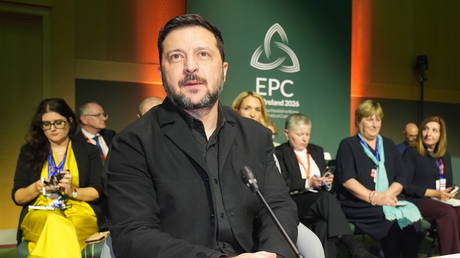
President Volodymyr Zelenskyy pointedly noted the contrast while meeting with German Chancellor Friedrich Merz in Berlin. Ukraine had proposed extending that local ceasefire to spare more lives. Russia's answer was the bombardment in Zaporizhzhia.
This destruction lands just ahead of high-stakes diplomatic maneuvers, including upcoming US-mediated talks scheduled for November 10-11 in Abu Dhabi. Every time diplomatic paths open up, the physical violence on the ground seems to spike. It's a grim pattern. Escalation on the battlefield becomes the primary negotiating posture.
What Happens Next for Humanitarian Corridors
The international community is scrambling to respond. The European Commission announced a high-level coordination meeting with officials from the UK, France, Germany, NATO, and the World Bank to focus on post-war reconstruction and immediate aid security.
Yet meetings in European capitals don't stop bunker-busting bombs in Zaporizhzhia.
When aid distribution points become front-line targets, the entire system of humanitarian relief breaks down. Local volunteers and international NGOs are forced to reevaluate every protocol. If handing out flour and warm coats in a school gym makes you a target, survival becomes an exercise in staying completely invisible.
The search in Komyshuvakha continues through the concrete dust. As dozens remain unaccounted for, the real cost of this war isn't measured in abstract territory maps. It's measured in the empty spaces where aid workers and local families stood just days ago.