Geopolitics usually treats nations like sports teams. You pick a side, wear the jersey, and root against the opponent. But Bangladesh isn't playing a game. Dhaka is running an economic balancing act between two Asian heavyweights, and honestly, it's working.
Most foreign policy columns obsess over whether Bangladesh will tilt toward Beijing or Tokyo. That's the wrong question entirely. The real story isn't about choosing camps. It's about how Bangladesh can grab cash, concrete, and technology from both Japan and China to build a modern economy without getting trapped in great power rivalries.
The Quiet Power of Tokyo's Big Concrete
Japan didn't just show up yesterday. Tokyo has backed Bangladesh since its independence struggle in 1971, quietly writing massive checks while other nations looked away. Japan remains the top source of official development assistance loans for Dhaka, pumping billions into the economy.
Look at the Maheshkhali-Matarbari Integrated Infrastructure Development Initiative. This isn't just a mouthful of a project name; it's a structural game-changer. Funded heavily through the Japan International Cooperation Agency, the Matarbari deep-sea port gives Bangladesh something it desperately needed: a way to handle large-vessel shipping without relying entirely on ports in Singapore or Colombo.
When you drive through the industrial corridors planned around Matarbari, you see the Japanese playbook in action. Tokyo wants to replicate its old Southeast Asian manufacturing networks—the ones linking Bangkok, Vietnam, and beyond—right here on the Bay of Bengal.
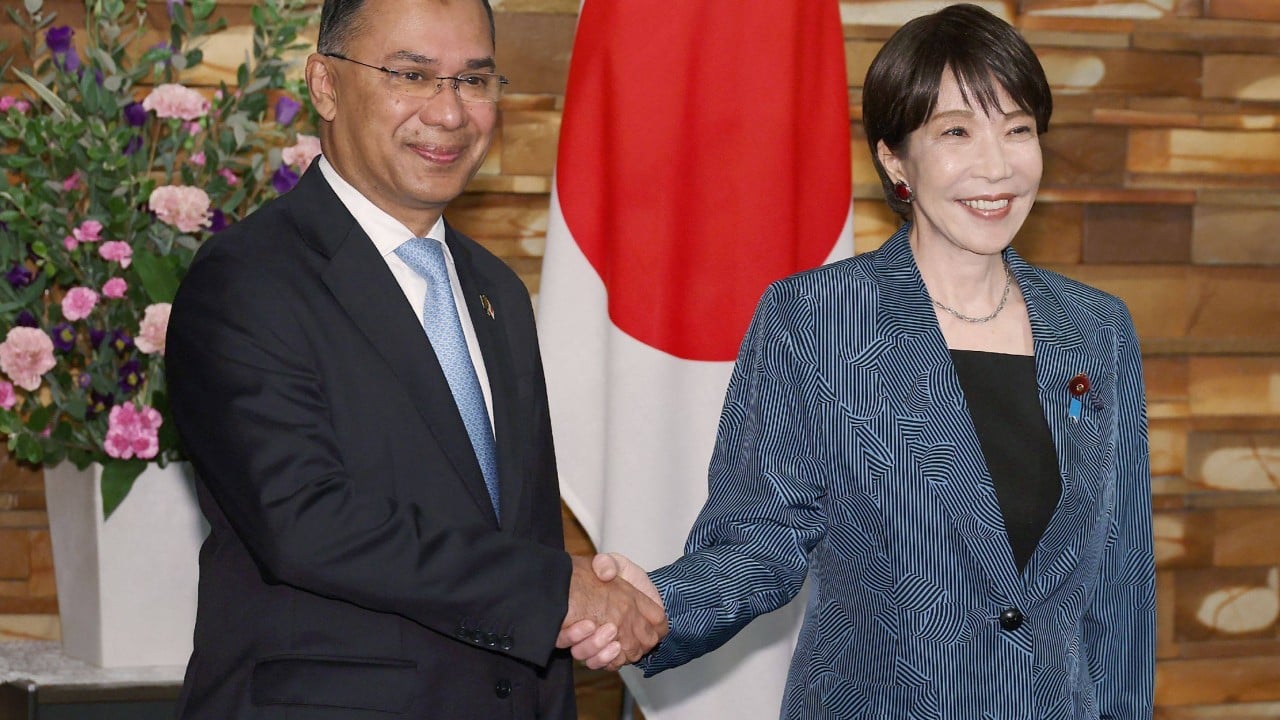
Japanese firms see the upside. Government data shows hundreds of Japanese companies operating in Bangladesh, with more than half surveyed by JETRO planning to expand operations. Prime Minister Tarique Rahman’s recent visit to Japan pushed ambitions even higher, targeting automobile manufacturing, high-speed rail, logistics, and agricultural processing to help Bangladesh march toward a trillion-dollar economy.
Beijing's Scale and Speed
While Tokyo brings meticulous planning and long-term industrial corridors, Beijing brings sheer velocity and capital muscle. China's Belt and Road Initiative arrived in Bangladesh with massive infrastructure projects—bridges, power plants, and highways that slice through bureaucratic gridlock.
Bangladesh needs roads, ports, and power grids yesterday. Its population is young, ambitious, and moving fast. Domestic resources alone can't bridge that gap at the speed required. Chinese contractors deliver physical assets at a scale that traditional Western lenders simply can't match.
Critics love to talk about debt traps and geopolitical strings attached to Beijing's money. But Dhaka knows how to play the room. By keeping trade channels wide open with China while locking down high-value industrial technology and port management with Japan, Bangladesh avoids putting all its eggs in one shaky basket.
Navigating the Trap of Great Power Friction
Living between two giants isn't peaceful. Japan worries about maritime security and pushes a Free and Open Indo-Pacific vision to counter Chinese dominance. China views its economic footprint across South Asia as vital to its own commercial security.
If Dhaka tried to pick a side, it would lose. Align exclusively with Beijing, and you alienate Tokyo, Washington, and regional neighbors like India. Lean entirely into the Western-backed security architecture, and you cut off the largest construction and trade partner in your backyard.
Smart diplomacy means taking the money and setting the terms. Bangladesh has managed to keep relations functional with both powers by focusing strictly on economic necessity. When Tokyo offers funding for deep-sea ports and skill development, Dhaka says yes. When Beijing builds power plants and highways, Dhaka says yes to that too.
What Actually Needs to Happen Next
Building deep-water ports and signing trade pledges looks great on television, but concrete doesn't run an economy by itself. If Bangladesh wants to turn these rival investments into sustainable wealth, leadership has to fix domestic bottlenecks immediately.
- Clean up customs procedures: Shippers lose days and dollars sitting at borders. Speed up digital clearance.
- Invest in human capital: Having factories is useless if workers aren't trained for high-tech manufacturing or automotive assembly.
- Maintain fiscal discipline: Keep a sharp eye on loan terms from every foreign lender to ensure projects actually pay for themselves.
Don't let anyone tell you Bangladesh has to choose a master. The future belongs to countries smart enough to make global superpowers work for local growth.