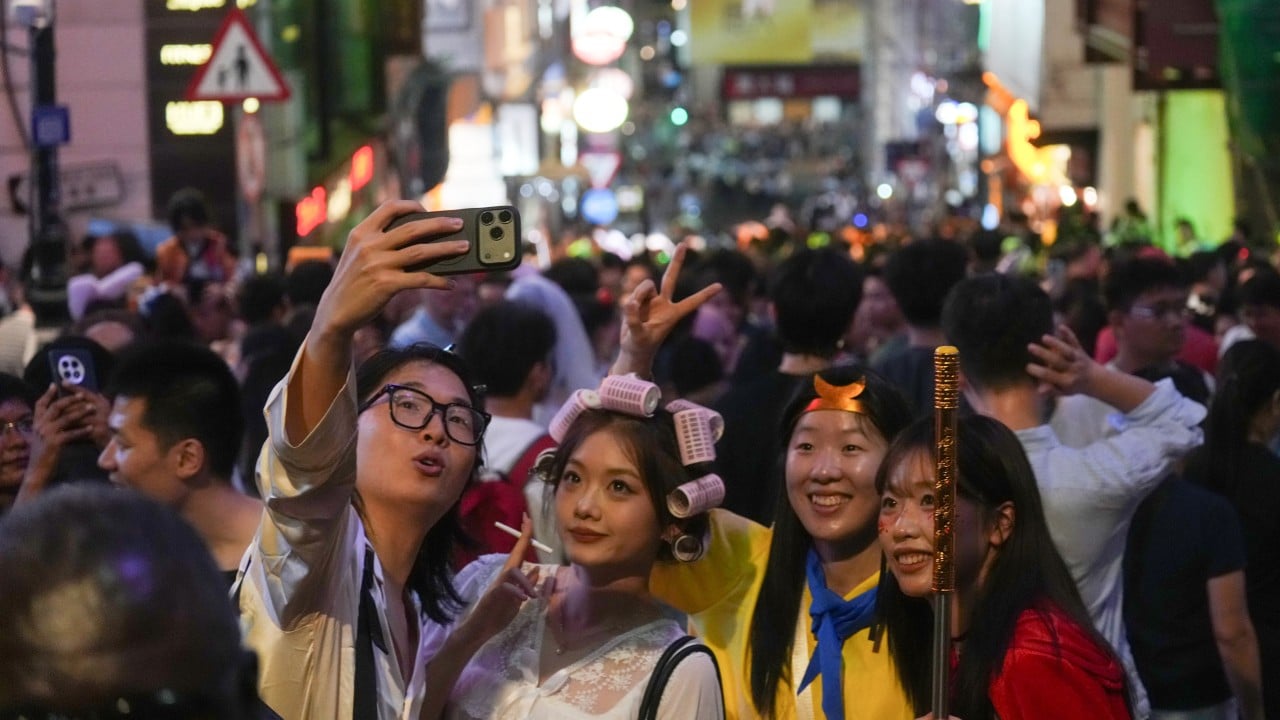
Hong Kong's nightlife is having a loud moment. If you walked through Lan Kwai Fong or Peel Street lately, you already know the vibe. People aren't just waiting until dark to put on makeup. They're out early, drinking by noon, and turning the city's streets into a massive open-air costume party.
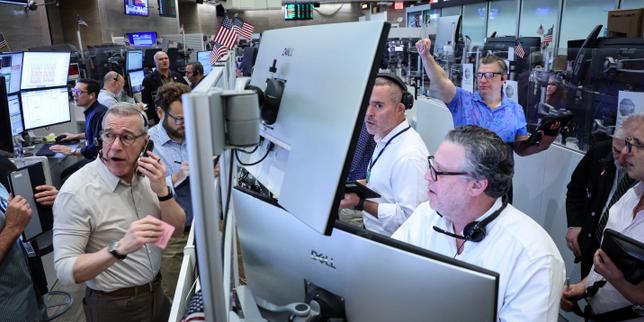
Bar operators across the entertainment hubs are looking at their registers and smiling. Industry representatives are projecting a staggering 50 percent jump in sales for the final night of the city's inaugural "Halloween Month" campaign. That is not a minor bump. That is a full-scale financial resuscitation for venues that have spent the past few years navigating shifting consumer habits and economic turbulence.
How a Single Night Turned Into a Month-Long Cash Cow
For decades, Halloween in Hong Kong was basically a one-night sprint centered tightly around Lan Kwai Fong. You squeezed through narrow lanes, bumped shoulders with thousands of strangers, and drank until the MTR started running again. It was chaotic, loud, and incredibly lucrative, but it lasted roughly twelve hours.
This year, the Tourism Board changed the playbook by rolling out a multi-week "Halloween Month". Instead of cramming all the economic energy into a single Tuesday or Friday, the celebrations were stretched across three consecutive Saturdays with designated street parties spanning Central, Kai Tak, Mong Kok, and Tsim Sha Tsui East.
The strategy worked. Venues reported revenue gains of 30 to 40 percent over the preceding two weekends. By the time the final Saturday night arrived, bars had already stocked up on extra food, liquor, and beer to handle the onslaught.
Cross-Border Crowds and Changing Costumes
You cannot talk about Hong Kong's retail and nightlife revival without looking at where the crowd is coming from. Visitors from Shenzhen and other mainland cities have been flooding across the border via the MTR, treating the city's festive weekends as the ultimate weekend escape.
With tighter restrictions on public costuming and celebrations in certain mainland cities over recent years, Hong Kong has leaned hard into its status as a permissive, high-energy playground. Revellers are arriving earlier, spending more freely, and investing in elaborate, custom-made outfits that put last year's cheap supermarket masks to shame.
On Peel Street and D'Aguilar Street, the dancing starts before the sun goes down. Street performers, DJs, and impromptu dance circles have turned ordinary pavement into stage floors.
The Logistics Behind the Spooky Surge
Pulling off a 50 percent sales spike requires serious operational heavy lifting. You cannot just open the doors and hope for the best when tens of thousands of people are trying to squeeze into a few hillside alleys.
- Inventory Management: Smart venue managers ordered double their usual liquor supply weeks ahead of time to avoid running dry during peak hours.
- Crowd Control: Police and event organizers implemented one-way foot traffic systems early in the evening to prevent bottlenecks around narrow stairwells and sloping intersections.
- Extended Reach: Free themed transport options, including special open-top buses and party trams, helped funnel crowds directly from tourist zones and the harbourfront Wine & Dine Festival straight into Central.
The numbers speak for themselves. When local authorities build an entire calendar around experiential tourism, the money follows. Bars aren't just surviving the autumn slump; they are setting new benchmarks for the fiscal quarter.
If you run a hospitality business anywhere else in the region, take notes. Turning a imported holiday into an extended cultural festival is how you get people to open their wallets. Pack away the fake blood and plastic fables until next year because the cash registers are already empty and waiting for the next big theme.