Foreign policy shifts rarely happen in a vacuum. When a neighboring nation suddenly signals a desire to step back and rethink its diplomatic equations, it usually means domestic politics are shifting underneath the surface.
Bangladesh is trying to rewrite its playbook with New Delhi. State Minister for Foreign Affairs Humayun Kabir recently stated that Dhaka wants to reset its bilateral ties, famously noting that you can't talk about India for breakfast, lunch, and dinner every single day. It's a striking metaphor, but what does it actually mean for South Asian geopolitics?
Let's look past the diplomatic pleasantries and examine why this reset is happening right now, what triggered it, and where things are heading.
Breaking Free From Single-Country Obsession
For years, political discourse in Dhaka seemed tethered entirely to its giant neighbor. Every domestic policy choice, election cycle, and economic strategy was viewed through the prism of New Delhi's approval or disapproval.
Humayun Kabir's recent remarks point to a growing fatigue with this dynamic. When he suggested that people need to step out of their fixation with India, he was speaking directly to a changing domestic audience. Under former Prime Minister Sheikh Hasina, ties were exceptionally close, but critics often argued those ties came at the expense of national agency. Following the massive youth-led protests in August 2024 that led to Hasina's departure and her subsequent shelter in India, the political landscape shifted permanently.
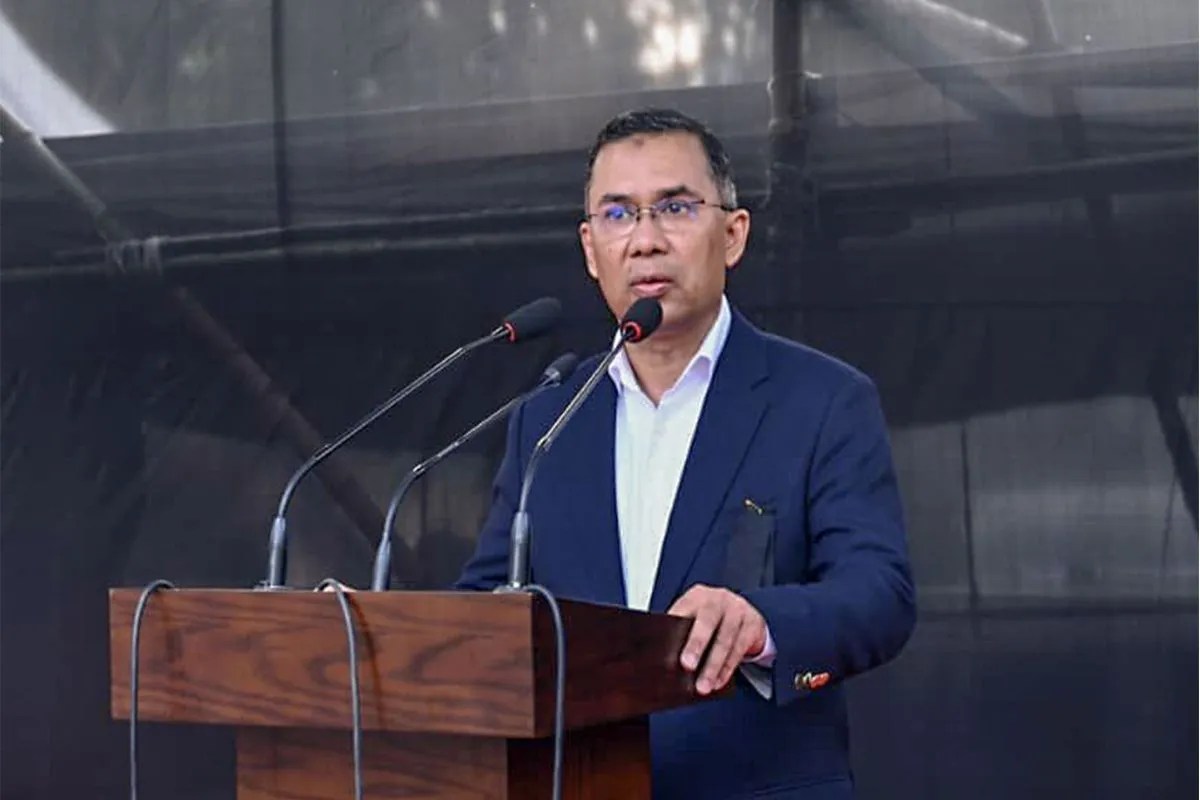
The current administration under Prime Minister Tarique Rahman is under immense pressure to prove it stands on its own two feet. Rejecting the old dependency model isn't just about foreign policy; it's about survival at the ballot box.
The BRICS Snub and Diplomatic Realities
Diplomacy is messy, and recent events highlight the friction. The decision by Tarique Rahman to skip the BRICS summit sparked widespread speculation. Dhaka clarified that the Prime Minister didn't attend because he lacked a direct personal invitation, though New Delhi had extended an invite through regional platforms like BIMSTEC.
This episode reveals a subtle friction point. Bangladesh wants multilateral engagement on its own terms, free from regional patronage. Kabir's stance emphasizes that future interactions should happen through direct bilateral dialogue rather than getting filtered through third-party platforms or multilateral summits.
Moving Away From the Hasina Shadow
You can't understand modern Bangladesh-India dynamics without addressing the elephant in the room: Sheikh Hasina. Her long tenure defined an era where New Delhi and Dhaka enjoyed deep strategic alignment, particularly on security and counter-terrorism.
However, that relationship grew uncomfortable for the Bangladeshi public, who viewed it as overly lopsided. When Hasina fled to India in August 2024, it created an instant diplomatic headache for New Delhi and a rallying cry for Dhaka. The new leadership views those past years as an era of unhealthy proximity.
Resetting the relationship means establishing a transactional, equal footing where mutual economic and security interests dictate terms, not historical political alliances. India remains an unavoidable neighbor, share a massive border, and trade relies heavily on cross-border logistics. But Dhaka wants the relationship normalized into a standard, professional partnership rather than an emotional or ideological anchor.
Expect more calibrated statements, independent diplomatic maneuvering, and a deliberate distancing from old cozy narratives as both nations navigate this new chapter.