Press freedom in America just hit a tipping point, and most people are looking at the wrong part of the story.
On Wednesday, the New York Times filed a motion under seal in the Southern District of New York to quash subpoenas issued to three of its journalists. The Department of Justice wants these reporters to stand before a federal grand jury in Manhattan and reveal who told them about security vulnerabilities on the president’s new plane.
Let's cut through the legal jargon. This is not a routine leak investigation. It is a targeted, aggressive campaign to dismantle the unspoken treaty between the American free press and the federal government. If the government wins this fight, confidential sourcing is dead. And when confidential sources go silent, the public is left completely in the dark.
The Secret Service and a Qatari Gift
To understand why the government is playing hardball, you have to look at what the Times actually reported.
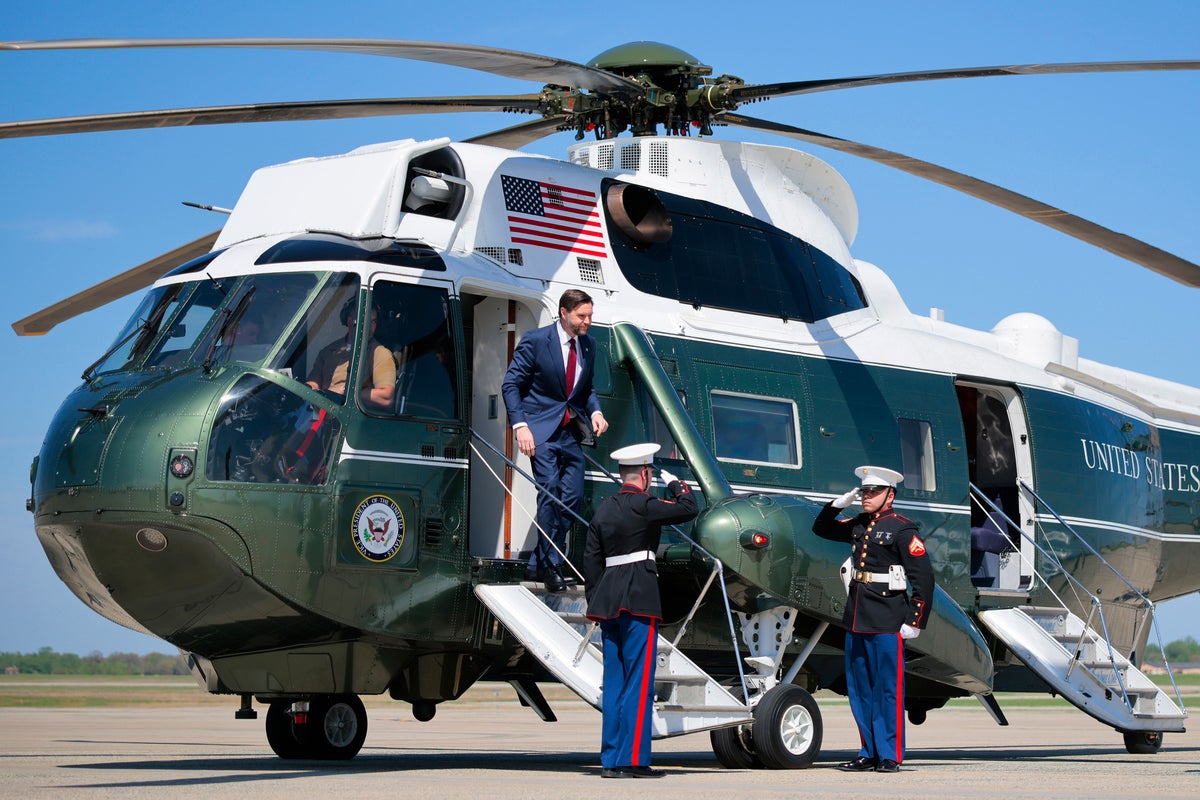
Earlier this month, the administration started using a new Air Force One jet. This plane was not commissioned through the standard, years-long Pentagon procurement pipeline. It was a "gift" from Qatar. The administration spent $400 million of taxpayer money to retrofit and upgrade the aircraft.
But during a NATO summit in Ankara, Turkey, President Trump did not fly home on the new Qatari plane. Instead, he boarded an older, legacy Air Force One model.
The Times wanted to know why. Citing anonymous sources, their reporters revealed that the Secret Service had intervened. The new, $400 million retrofitted jet lacked critical security features. Specifically, it lacked antimissile capabilities.
Trump immediately took to social media to deny any security issues. The Department of Justice, however, reacted as if a national security artery had been severed.
Instead of dealing with the glaring question of why the president of the United States was flying in a multi-million-dollar gift that lacked basic missile defense systems, the government turned its weapons on the people who exposed the gap.
Knocking on Doors on a Friday Night
The escalation was swift and highly personal. Last Friday, federal agents showed up at the private homes of Times reporters to hand-deliver grand jury subpoenas.
Think about the psychology of that move. They did not serve the papers to the Times' corporate office in Midtown Manhattan. They went to the doorsteps where these journalists live with their families. It was designed to shake them.
We now know this was not a localized decision by a rogue prosecutor. The subpoenas were issued after an eight-hour meeting at the White House involving FBI Director Kash Patel and top Justice Department officials. The coordination came straight from the top.
Shortly after, Defense Secretary Pete Hegseth announced a joint taskforce with the DOJ specifically designed to target and prosecute press leaks. This is a systematic, government-wide effort to dry up sources.
The Intellectual Dishonesty of the Car Crash Analogy
On Wednesday, acting Attorney General Todd Blanche sat before the Senate Judiciary Committee for his confirmation hearing. Naturally, Democratic Senator Peter Welch of Vermont grilled him on the subpoenas.
Blanche's defense of the government's actions was telling. He confirmed that he personally authorized the subpoenas. Then he tried to minimize the move with a stunningly dishonest analogy.
"We're not targeting reporters," Blanche testified. "They're material witnesses, just like a reporter would be a material witness to a car crash."
Let's analyze that statement.
If a reporter witnesses a fender bender on the corner of 5th and Broadway, they are an accidental observer of a public event. They did not enter into a professional, ethical contract to protect the identity of the car that ran the light.
A investigative journalist receiving information from a whistleblower about government safety failures is not "witnessing a car crash." They are uncovering a systemic failure. The information is brought to them precisely because the source trusts that the reporter will protect their identity.
Comparing a national security whistleblower to a negligent driver is an attempt to strip journalism of its constitutional status. The First Amendment does not protect "car crash witnesses." It protects the press.
The Systemic Stripping of Press Protections
How did we get here?
For years, the Justice Department operated under guidelines that made targeting journalists a absolute last resort. Under the Biden administration, attorney general guidelines heavily restricted the seizure of reporters' records and prohibited forcing them to reveal sources under grand jury subpoenas.
That changed in April 2025. Former Attorney General Pam Bondi formally rescinded those protections.
Bondi's memo claimed that the press is "presumptively entitled to advance notice" and that subpoenas should be "narrowly drawn." But her policy opened the floodgates for prosecutors to hunt down government officials who speak to the media.
We saw the first major casualty of this policy shift earlier this year. The FBI executed an extraordinary physical search of the home of Washington Post reporter Hannah Natanson, seizing her personal electronic devices.
Now, the administration is taking the next step. They are no longer just looking at phone records or searching houses. They are demanding that journalists look a grand jury in the eye and give up names.
Why David McCraw is Going to War
David McCraw, the Times' veteran deputy general counsel, is not a man given to hyperbole. He has defended the paper in some of the most complex legal environments on earth.
In a statement explaining the sealed motion to quash, McCraw called the subpoenas an act of "bad faith to punish The Times for its coverage."
The legal filing is currently sealed, but we can surmise the core of the Times' argument.
First, there is no federal shield law. While 49 states and the District of Columbia have some form of protection for reporters' sources, the federal system does not. Journalists rely on a combination of First Amendment arguments and DOJ self-regulation.
Second, the government has not exhausted other means. To subpoena a reporter, the government is supposed to prove that the information is essential to the case and cannot be obtained anywhere else.
Yet, reports show that senior White House officials were asked to hand over their mobile phones as part of this leak investigation. Did the DOJ actually examine all internal administration leads before sending agents to reporters' homes? It is highly unlikely. The timing suggests the subpoenas were used as a blunt instrument to terrify potential leakers, rather than a genuine last-resort legal tool.
What Happens if the Times Loses
If the federal court in the Southern District of New York denies the motion to quash, the three reporters face a brutal choice.
They can comply, testify, and destroy their credibility—and the credibility of investigative journalism as a whole. No source will ever talk to a Times reporter again if they know a grand jury subpoena is all it takes to expose them.
Or, they can refuse to testify.
If they refuse, they will be held in contempt of court. This is not a theoretical slap on the wrist. Journalists in the past, like Judith Miller in 2005, have spent months in federal prison for protecting their sources.
This is the stakes of the game. The administration is betting that the threat of jail time will break the reporters or, at the very least, make the next whistleblower think twice before picking up an encrypted messaging app.
Act to Protect the Flow of Information
This fight is happening in a sealed courtroom in New York, but the fallout will land on your doorstep. If you want to support press freedom, you cannot just watch from the sidelines.
- Pressure your representatives for a Federal Shield Law. The Press Act has stalled in Congress for years. Write or call your senators and demand they pass federal protections for journalists and their sources.
- Support independent legal defense funds. Organizations like the Reporters Committee for Freedom of the Press provide crucial legal resources to local journalists who do not have the deep pockets of the New York Times to fight these battles.
- Understand your own digital footprint. If you are a whistleblower or work with sensitive public information, stop using standard SMS or work emails to communicate. Use end-to-end encrypted platforms like Signal, and never contact a journalist from a government-issued device or network.
The administration wants you to believe this is a dry legal dispute about classified data. It is not. It is a battle over who controls what the American public is allowed to know.