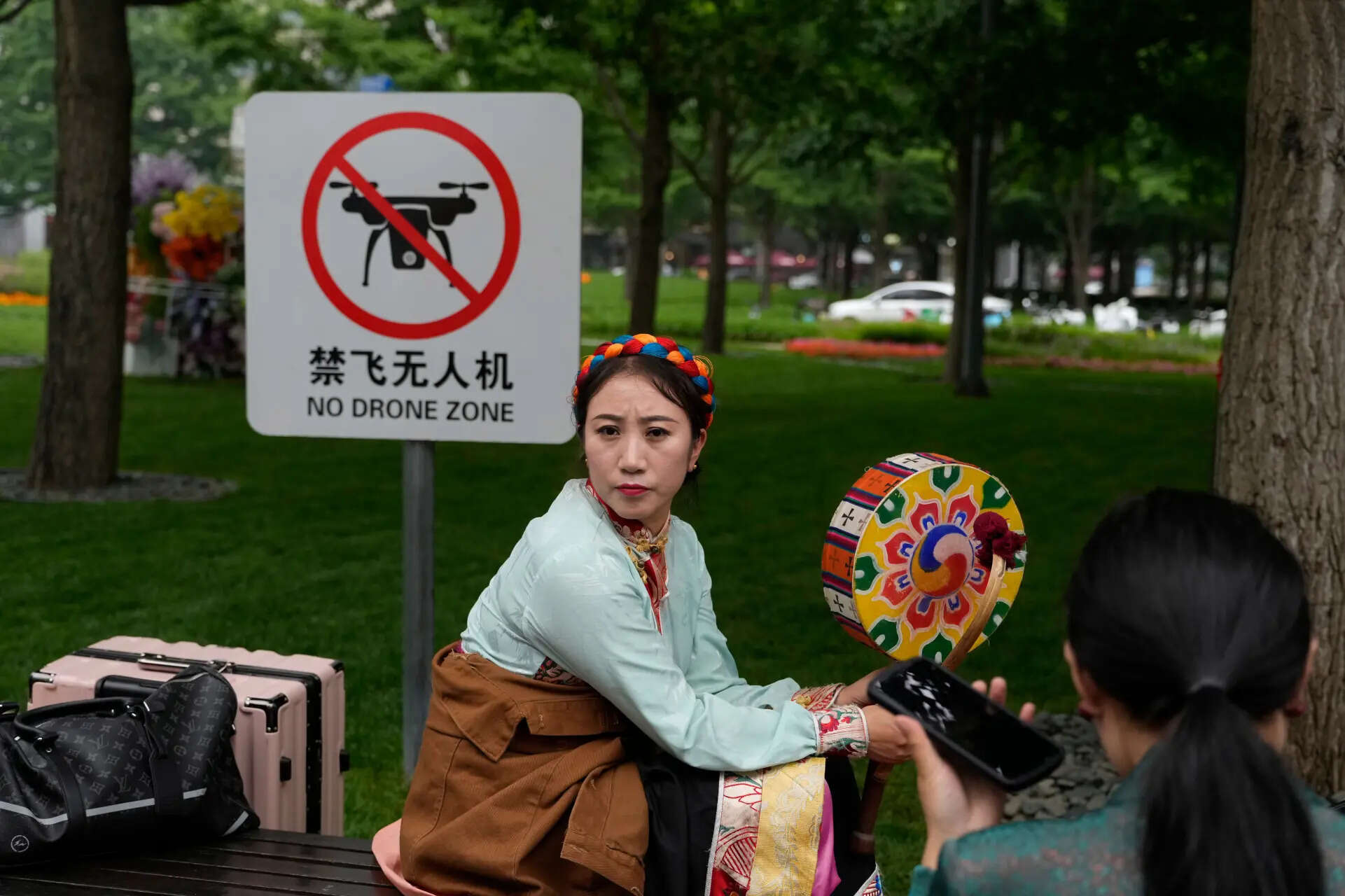
You can't even keep a hobbyist quadcopter in your apartment anymore if you live in the Chinese capital. Beijing authorities have dropped a massive regulatory hammer, rolling out a total ban on the possession, storage, and usage of drones and key components anywhere within city limits starting November 15. If you own one, you have very few choices left: sell it back through official channels, scrap it for recycling, or pack it up and ship it outside the municipal boundaries.
This isn't just another bureaucratic warning. It's a complete, uncompromising prohibition that rewrites how a major global metropolis deals with low-altitude airspace security. Let's look at what's actually happening behind these drastic rules and what it means for everyday residents. If you found value in this piece, you might want to read: this related article.
The Breaking Point Behind The Beijing Drone Ban
Why the sudden panic? Major policy shifts don't happen in a vacuum. Earlier this year, officials implemented mandatory real-name registration systems for unmanned aerial vehicles, expecting that tracking owners would solve security headaches. Residents could still keep their registered gear at home as long as they didn't fly in restricted zones.
Then tragedy struck in late June. A small aircraft crashed directly into a high-rise skyscraper inside Beijing, killing the pilot and injuring thirteen people on the ground. That single accident changed the entire political calculus. High-density urban centers hate unpredictable variables, and a drone or small aircraft plunging into a crowded commercial district represents a nightmare scenario for municipal planners. For another look on this event, see the recent coverage from USA Today.
Beijing already treats its entire administrative area as restricted airspace. Bringing a device in from outside the city has been illegal for a while. Officials decided that allowing people to store these electronics at home posed an unacceptable risk, setting the stage for the upcoming total possession ban.
What Existing Owners Must Do Now
If you're sitting on a collection of consumer quadcopters or parts inside Beijing, ignoring the deadline isn't an option. The government has established designated buyback locations where current owners can offload their devices.
You get a direct subsidy if you sell your gear back through these official programs. Alternatively, you can hand your equipment over to be scrapped and recycled, though that option comes with a smaller payout. Your final choice is physically moving the hardware outside of Beijing before the mid-November deadline hits. Enforcement will be strict, featuring heavy fines for individuals and companies caught hiding equipment, alongside immediate confiscation.
Why Other Cities Aren't Doing This
If you travel just outside the capital, the rules look completely different. Across the rest of China, people can still fly drones outdoors as long as they follow standard registration laws. Local authorities in other provinces treat consumer tech as a growing commercial sector rather than a direct threat to public safety.
Beijing has always marched to a different drum. The political heart of the country demands hyper-secure airspace, far tighter than Shanghai, Shenzhen, or Guangzhou. Security protocols in the capital routinely override standard consumer conveniences. When high-level political meetings or major state events happen, local authorities routinely ground everything with wings. This new ordinance takes that permanent paranoia and bakes it right into property law.
Practical Steps For Affected Operators
If you own aerial tech and operate near the capital region, you need to move fast. Don't wait until November 14 to figure out logistics.
- Audit your inventory immediately and separate complete units from spare parts.
- Check official municipal notices for the nearest designated buyback or recycling stations.
- Arrange transport across municipal lines if you intend to keep your hardware for commercial use elsewhere.
Regulatory environments can shift overnight when safety incidents shake public confidence. Plan your next moves before the window closes.