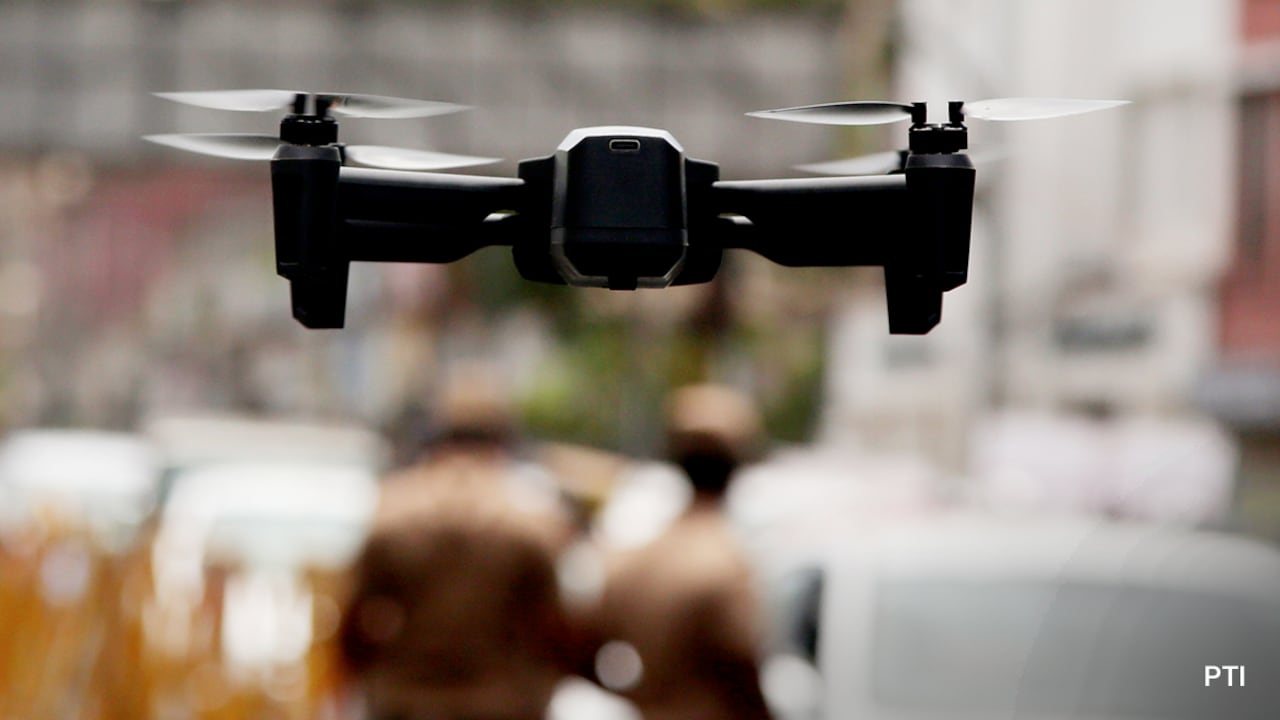
You can no longer own a recreational drone if you live in Beijing.
The municipal government announced sweeping new regulations that outlaw the simple possession or storage of unmanned aerial vehicles within city limits, effective November 15. If you've been following Chinese aviation policy, you know this isn't happening in a vacuum. It follows months of escalating restrictions, starting with forced real-name registration in May and an outright ban on local drone sales.
Now, citizens and businesses have until November 14 to either relocate their gear outside city limits, sell them back through designated municipal buyback channels offering up to 3,000 yuan ($447), or hand them over to be scrapped. Keeping a quadcopter in your apartment after the deadline means facing confiscation and steep financial penalties.
The Catalyst Behind the Crackdown
Why the sudden escalation? You have to look back at late June, when a small aircraft crashed straight into the Citic Tower, Beijing's tallest skyscraper. The crash killed the pilot, injured 13 people, and sent shockwaves through the country's security apparatus.
For a city of 22 million people with tightly controlled airspace, an incident of that scale exposes vulnerabilities you simply cannot ignore. While that specific event involved a small piloted plane rather than a consumer quadcopter, it shattered any remaining confidence in urban low-altitude safety. Regulators decided that recreational drones, which are notoriously difficult to track amid dense high-rises and commercial interference, posed an unacceptable risk to the capital.
Local authorities didn't mince words in their official notices. They cited the absolute necessity to "safeguard the security of the capital" by rooting out hidden safety hazards before they turn into tragedies.
Moving Past Simple No-Fly Zones
Most major metropolitan areas handle drone safety through restricted airspace declarations. You buy a drone, you register it, and you avoid flying near airports or government buildings.
Beijing is taking a radically different approach. Banning flights wasn't enough because enforcement is reactive. By outlawing possession and storage entirely, authorities are cutting the problem off at the root. You cannot launch an illegal flight if you cannot legally keep the equipment in your closet.
The logistics of this policy shift are aggressive. Transporting drones or key components into the capital is strictly prohibited. The city is offering subsidies for residents who scrap their gadgets or sell them through official buyback channels, alongside free shipping options for anyone wanting to mail their equipment to friends or family outside city limits.
Exemptions and Exceptions
Total bans rarely mean zero exceptions. The new framework carves out clear operational windows for specialized needs.
Emergency services, scientific researchers, agricultural operators, and counter-terrorism units can still utilize unmanned systems, provided they secure explicit prior approval. If you're running a commercial disaster relief operation or conducting structural engineering surveys, you have a legal path forward. If you just want to capture cinematic footage of the Forbidden City from above, your hobby is officially over.
Outside of Beijing, the rules look entirely different. You can still fly drones across most of China, provided you comply with mandatory real-name registration protocols. Beijing remains an absolute outlier, driven by its unique status as the political heart of the nation.
What This Means for Urban Centers Globally
Urban airspace management is turning into a massive headache for municipal governments worldwide. As consumer drone technology gets cheaper, lighter, and more autonomous, city planners face a nightmare scenario of unregulated traffic buzzing past office windows and emergency flight paths.
Beijing's draconian step sets a stark precedent. When security concerns clash with consumer hobbyist rights in high-density capitals, safety wins every single time. Other mega-cities watching this experiment will take notes.
Check your inventory if you operate anywhere near restricted Chinese airspace, and expect urban drone policies to get a lot less forgiving from here on out.