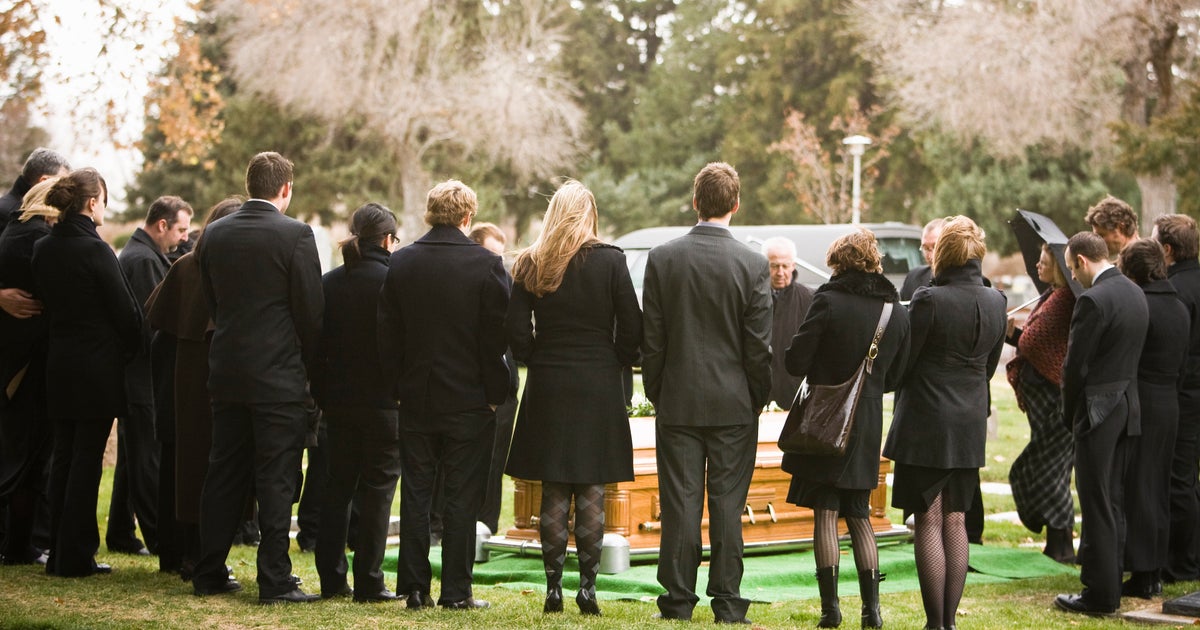
Mourners gathered in grief to bury at least 28 children killed after a catastrophic fire swept into a school in the Democratic Republic of the Congo. It's a heavy, unbearable loss. Entire families and local communities are left asking how a standard school day turned into an absolute nightmare.
When a blaze spreads to a crowded educational facility, you aren't just looking at an unfortunate accident. You're looking at deep systemic failures. Infrastructure neglect, poor building regulations, and a chronic lack of emergency response resources turn routine hazards into mass casualty events.
The Reality Behind the DRC School Fire
Let's be honest about what happens on the ground. Many schools across developing regions operate under severely constrained conditions. Buildings often lack basic fire exits, smoke alarms, and safe electrical wiring. When sparks fly or flames leap from nearby structures, students inside have virtually nowhere to go.
In this latest incident, investigators are trying to piece together why the fire spread so rapidly and why the children couldn't escape in time. Was it blocked pathways? Inadequate construction materials? A total absence of evacuation drills? These questions matter because similar risks exist in dozens of underfunded schools globally.
Why Infrastructure Neglect Endangers Young Lives
We talk endlessly about education access, but we rarely talk about physical safety inside the classroom. If a child's school is a structural trap, the right to education becomes a dangerous gamble.
- Substandard electrical grids: Overloaded circuits and exposed wiring are ticking time bombs in old or hastily built structures.
- Single exit bottlenecks: Many classrooms rely on one narrow door, which completely locks down when panic sets in.
- Slow emergency services: Fire departments in many areas struggle with basic equipment shortages, long response distances, and poor water access.
Holding Authorities Accountable
Memorial services and moments of grief are necessary for healing, but they shouldn't mark the end of the story. Accountability is the only path forward. Local governments and educational ministries need to step up and fund structural safety audits for every single school building.
Parents shouldn't have to wonder if sending their kids to learn means sending them into danger.
If you care about protecting vulnerable students, start by supporting local groups pushing for school safety reforms. Demand transparency from municipal leaders about building codes. Push for immediate safety upgrades before another community has to bury its children.