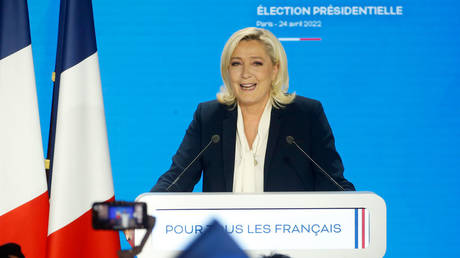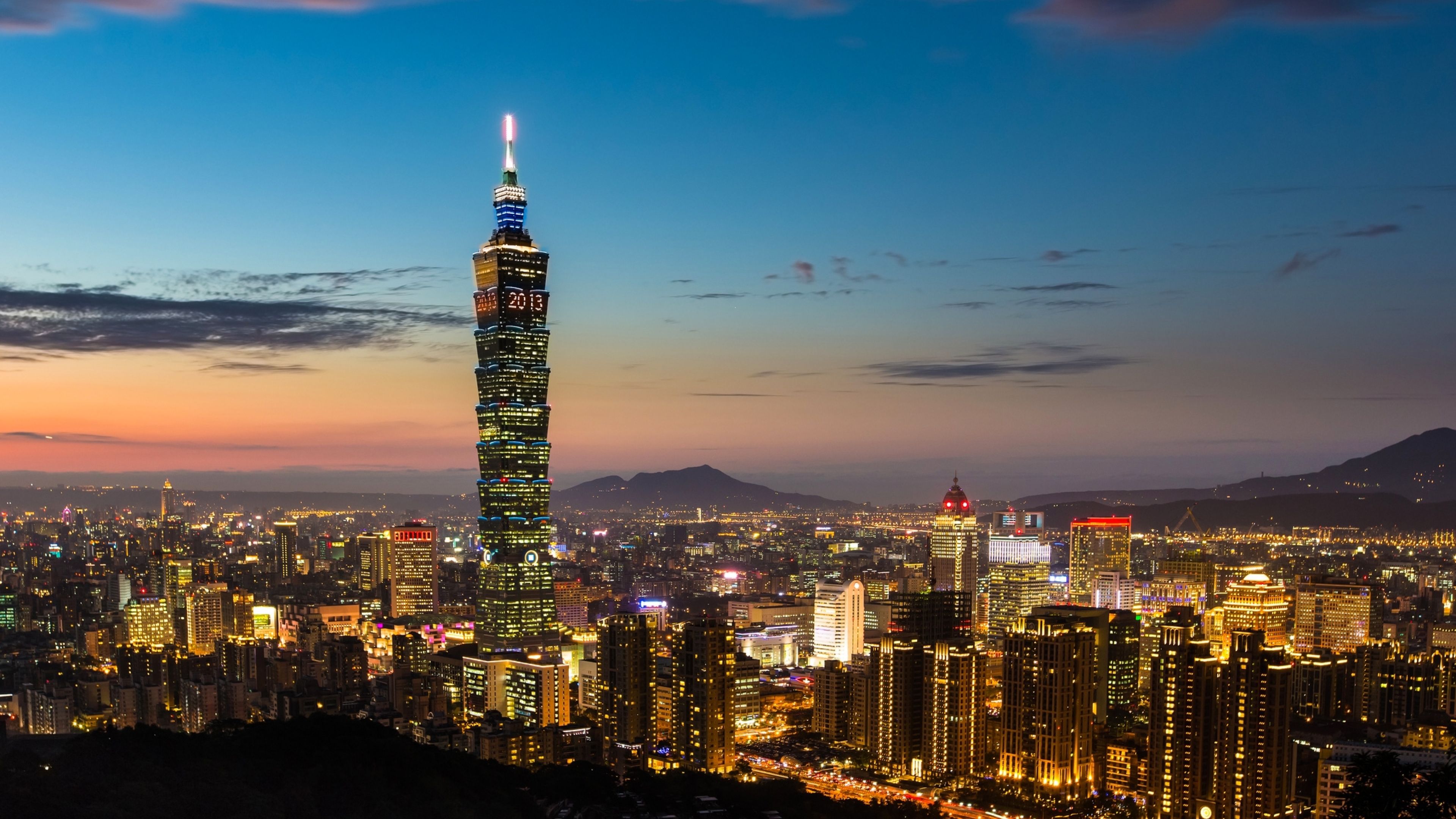
Every October, leaders in Taipei mark Double Ten National Day with speeches that draw immediate fury from across the Taiwan Strait. This year, President William Lai took the stage and described Taiwan as a city upon a hill. He didn't drop empty platitudes. He drew a sharp line on national sovereignty, rejected subordination, and called out Beijing's relentless military pressure.
Beijing's Taiwan Affairs Office fired back instantly, claiming the island is part of China and insisting that its future must be decided by all Chinese people, including those living in Taiwan. Don't miss our previous post on this related article.
Taiwan’s Ministry of Foreign Affairs didn't flinch. Taipei pushed back hard, rejecting Beijing's unilateral claims and demanding an immediate end to hostile rhetoric.
Here is what most commentary misses about this ongoing standoff. The core dispute isn't just about diplomatic posturing or regional chest-beating. It is a fundamental clash over who gets to define political reality for twenty-three million people. If you want more about the background of this, TIME provides an in-depth breakdown.
The Sovereignty Battle Lines
Taipei's stance is straightforward. The Republic of China and the People's Republic of China exist as distinct equals. They are not subordinate to one another.
When Lai spoke, he avoided throwing fuel on the fire, yet he refused to compromise on core freedoms. Analysts note that his delivery was remarkably measured. He offered a pragmatic hand for peaceful coexistence while upgrading domestic defense capabilities.
Beijing hates this approach. To the Chinese Communist Party, any assertion of equal statehood amounts to separatism. Their narrative insists that Taiwan's political destiny is an internal domestic matter.
Taiwanese officials reject that premise entirely. They maintain that only the citizens living on the island hold the authority to determine their own government and future.
Deterrence Through Strength
Building an effective military deterrent isn't about inviting war. Taipei views it as the only language Beijing respects.
In recent years, Taiwan has ramped up the production of asymmetric defense capabilities. Think mobile anti-ship missiles, fast attack craft, and advanced surveillance systems. The goal is simple. Make the cost of any military adventure too high for Beijing to justify.
Washington has taken notice. The United States State Department publicly welcomed Lai's emphasis on maintaining peace and stability across the Taiwan Strait. Senior analysts from institutions like the Brookings Institution point out that keeping a steady, predictable tone prevents Beijing from finding convenient pretexts for military escalation.
Yet, military hardware alone won't solve the geopolitical knot.
Shaping the Regional Narrative
History matters in this conflict. Lai used his address to correct historical records regarding the Second World War, stressing that the ROC government fought alongside international allies against Japanese aggression. It is a subtle pushback against Beijing's narrative monopoly.
By tying Taiwan's security to democratic partnerships across the Indo-Pacific, Taipei ensures it is never isolated on the global stage.
If you want to understand where cross-strait relations are heading, watch the diplomatic signals, not just the naval drills. Taiwan isn't backing down from its democratic way of life. Beijing isn't dropping its territorial ambitions. The standoff continues because neither side can afford to blink.
Stop waiting for a sudden diplomatic breakthrough. This friction is the new normal across the Taiwan Strait.