Western financial commentators love to accuse Beijing of policy paralysis. Every time China's monthly data shows sluggish retail sales or property sector strains, Wall Street pundits scream for massive consumer stimulus checks. When Beijing refuses to copy the American playbook of handing out cash, foreign analysts shake their heads. They assume leadership in Zhongnanhai simply doesn't understand modern macroeconomic management.
They are dead wrong.
Beijing isn't confused. They are playing an entirely different sport with a completely separate rulebook. If you look at China's economic strategy through a traditional Western lens, you will miss the entire point.
The Core Misunderstanding Over Stimulus
For decades, Western economic orthodoxy has relied on consumer demand-side stimulus. When a downturn hits, you pump liquidity directly into households, boost consumption, and let the service sector pull the cart. It is a system built on debt-fueled consumer spending.
China tried variations of this model in past decades, but policymakers watched the West accumulate staggering national debt piles and asset bubbles. They drew a hard line.
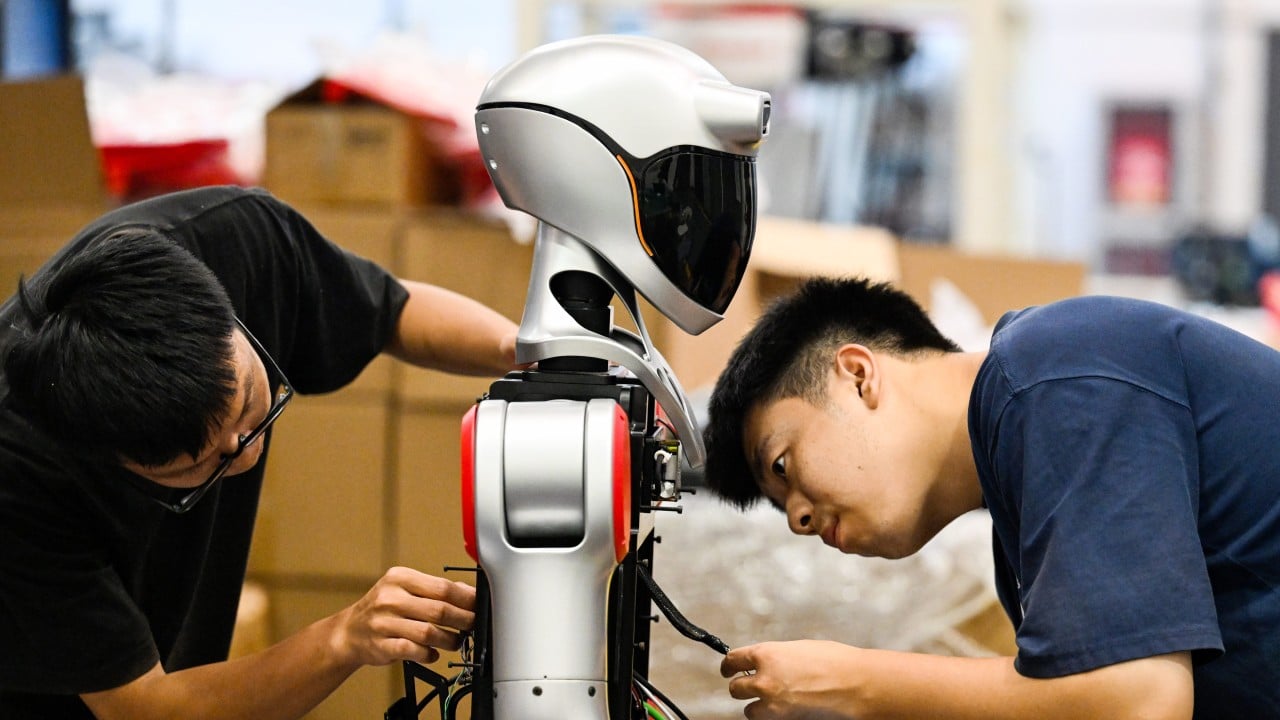
Instead of turning citizens into consumption-driven debtors, Beijing directs capital straight into advanced manufacturing, high-end robotics, green energy supply chains, and industrial upgrading. When Western analysts look at this and complain about a lack of forceful consumer rescue packages, they are missing the structural objective. Beijing wants to dominate the next generation of physical production, not fuel a temporary retail spending spree.
Security Trumps Short-Term Growth Statistics
Ask any policymaker in Washington or Brussels what matters most, and the answer usually comes back to quarterly GDP growth figures and inflation rates. Ask officials in Beijing, and the conversation shifts immediately to supply chain security and technological self-reliance.
Consider how trade tensions and tech restrictions have escalated over recent years. If China relied on Western economic prescriptions—which historically advise leaning into comparative advantage and open globalization—they would remain dependent on foreign core technologies.
Beijing's rejection of foreign advice is fundamentally about risk mitigation. You don't take architectural tips from a rival who is trying to block your access to foundational semiconductors. By prioritizing state-backed industrial policy over short-term market appeasement, China is insulating itself from external shocks.
The Domestic Reality Wall Street Ignores
Western commentary frequently paints Chinese households as victims of suppressed spending power who desperately need Western-style welfare interventions. Walk through urban centers in Shenzhen or Guangzhou, and you will find a different narrative rooted in high savings rates and distinct cultural attitudes toward financial security.
Chinese citizens save heavily because they view structural safety nets differently. Rather than demanding stimulus checks to buy imported goods, local priorities lean toward property stability, educational investments, and long-term security.
When Beijing targets its fiscal bullets, it aims at structural bottlenecks like local government debt cleanup and high-tech manufacturing subsidies rather than broad-brush consumer handouts. Economists can argue about the efficiency of these choices, but claiming they stem from ignorance ignores the deliberate nature of state capitalism.
Stop Waiting For A Policy U-Turn
Foreign investors sitting in New York and London keep waiting for the moment Beijing blinks and adopts orthodox monetary policy. It is a wasted wait.
China is charting a course toward industrial autonomy, accepting slower headline growth in exchange for technological dominance in artificial intelligence, electric mobility, and advanced materials. You don't have to agree with their authoritarian framework to recognize that it is a coherent, deliberate strategy.
Stop expecting Beijing to follow the text written in Western economics textbooks. They are too busy writing their own.