A graphic video clips through social media feeds and within hours, a city is on fire. This isn't a hypothetical crisis simulation. It's the stark reality in Belfast right now.
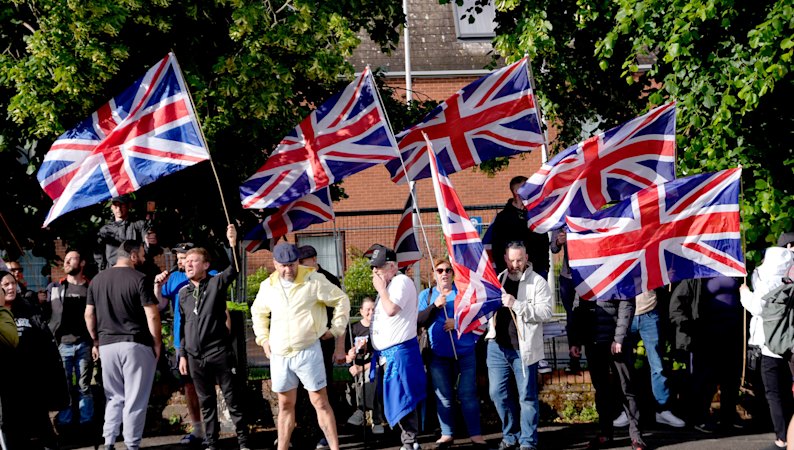
On June 8, 2026, a brutal knife attack in North Belfast left a local man, Stephen Ogilvie, fighting for his life, having lost his left eye. The suspect, a 30-year-old Sudanese refugee named Hadi Alodid, was arrested and charged. Within twenty-four hours, the horror of that single, isolated crime was weaponized. Masked mobs claiming to "get the foreigners out" marched down the Lower Newtownards and Crumlin Roads, kicking in doors, torching a Middle Eastern supermarket, burning a public bus, and attacking family homes.
It looks like a localized explosion of hate, but it's a playbook we've seen globally. For Australians watching these images filter through from Northern Ireland, the distance offers a false sense of security. The exact same cultural tinder, digital acceleration, and political opportunistic behavior exist right here at home.
If you think a major Australian city couldn't experience a similar sudden flashpoint, you're misreading the undercurrents of our own society.
The Friction of Rapid Change Meeting Old Scars
Belfast is a city where territory has always mattered. For decades, the dividing lines were Catholic and Protestant. But demographics change. Northern Ireland has historically been the least diverse corner of the United Kingdom, with immigrants making up just under 4% of the population. But that change has been fast, concentrated, and dropped straight into neighborhoods that already carry historical trauma and underfunded public infrastructure.
When you inject rapid demographic shifts into working-class areas struggling with housing shortages and strained healthcare, tension builds. Last year, in June 2025, Northern Ireland saw a massive wave of anti-immigrant rioting after an incident in Ballymena. Police data to June 2025 showed race-motivated incidents hitting a historic high of 1,329 cases in a single year. Internal government documents even warned of a "permacrisis" where a single spark could cause total civil breakdown.
Now, in June 2026, that spark arrived.
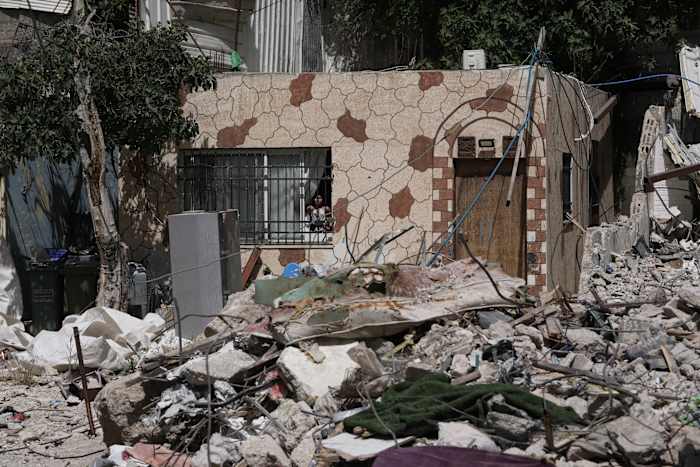
The mistake outsiders make is believing this violence is a rational response to crime. It's not. The riotous mobs didn't target the suspect; he was already behind bars. Instead, they attacked a Turkish barber shop, threw bricks through windows where young children cowered upstairs, and forced minority business owners on Sandy Row to lock down behind steel shutters.
It's a pattern of displaced rage. The actual crime becomes an excuse to unleash a pre-existing appetite for chaos and bigotry.
The Digital Algorithms Built for Outrage
We can't talk about Belfast without talking about how information spreads in 2026. The moment the North Belfast attack occurred, online actors didn't wait for verified facts. Early rumors misidentified the attacker's nationality. High-profile political figures and global platform owners immediately jumped on the incident to push broader anti-migration agendas.
This is where the direct parallel to Australia becomes undeniable. The algorithms governing our digital lives don't care about nuance, context, or community cohesion. They reward engagement, and nothing drives engagement faster than fear and anger.
Consider how easily localized incidents in Australia dominate the national conversation before the police can even issue a press release. A horrific event occurs, a graphic video circulates on encrypted chat apps and public timelines, and within minutes, the narrative is completely detached from reality. The digital infrastructure that turned a tragedy in Belfast into a city-wide riot is the exact same infrastructure running on the phones of millions of Australians right now.
Why Australia's Geographic Isolation Won't Save It
It's easy to shrug this off. Australia is an island continent with strict border controls, a highly regulated immigration system, and a deeply ingrained multicultural identity. We pride ourselves on the "fair go." But our social cohesion is fragile under the surface.
Australia is currently navigating its own severe structural pressures. We have a prolonged housing crisis, rising living costs, and a younger generation feeling increasingly locked out of the economic prosperity their parents enjoyed. When people are stressed about their mortgage, their rent, or their ability to see a doctor, their resilience drops.
When structural anxiety is high, scapegoating becomes incredibly easy. It takes very little effort for extremist groups or cynical commentators to point at new arrivals and say, "They are the reason your life is harder."
We've seen flashes of this before. We saw it in the Cronulla riots two decades ago, and we see it in the organized, masked neo-Nazi rallies that sporadically appear in our capital cities today. The infrastructure for organized intolerance isn't a European exclusive; it's an active, growing subculture within Australia.
Moving Past Superficial Condemnation
When these riots happen, political leaders follow a predictable script. They call the violence "abhorrent," describe the perpetrators as "cowards," and demand calm. Northern Ireland First Minister Michelle O’Neill rightly called the Belfast actions "disgusting cowardice." But condemnation changes nothing on the ground.
If Australia wants to avoid these flashpoints, we have to look closely at what builds the underlying pressure. It means addressing three core areas honestly.
1. Fix the Structural Bottlenecks
You can't separate social harmony from material security. When governments increase immigration intakes or intake refugees without aggressively expanding housing supply, public transit, and healthcare infrastructure in the specific suburbs where people settle, they create a pressure cooker. It isn't the fault of the migrants, nor is it a "legitimate grievance" to burn down a grocery store. But ignoring the strain on local services leaves the door wide open for far-right recruiters to exploit genuine community frustrations.
2. Take Digital Extremism Seriously
We treat online disinformation like a minor nuisance until police cars are upside down and on fire. Australia's regulatory bodies need to treat the deliberate algorithmic promotion of racially charged hoaxes as a direct threat to national security. When platform algorithms push unverified, inflammatory content to thousands of localized users during an active crisis, it's public endangerment.
3. Reject Political Opportunism
Politicians who play footsie with xenophobic rhetoric for a temporary bump in the polls are playing with matches. When mainstream figures validate the underlying logic of extremist groups—even while using gentler language—they lower the social barriers to violence.
The Next Steps for Local Communities
Waiting for a crisis to erupt before talking about community resilience is a losing strategy. The lesson from Belfast is that the transition from a peaceful neighborhood to a conflict zone takes less than 24 hours when the conditions are right.
Real security doesn't come from heavy-handed policing after the windows are already broken. It comes from local councils, community leaders, and residents actively building relationships across cultural lines during quiet times. It means ensuring that when a tragedy occurs, the immediate reaction from locals is to log off, talk to their neighbors, and let law enforcement do its job, rather than letting a screen dictate their emotions.
Belfast is a stark reminder of how quickly a community can lose its grip on civility when fearmongering meets structural neglect. Australia has the wealth, the space, and the historical knowledge to prevent this outcome. Whether we have the political will to address the warning signs before the smoke starts rising over our own suburbs is an open question.