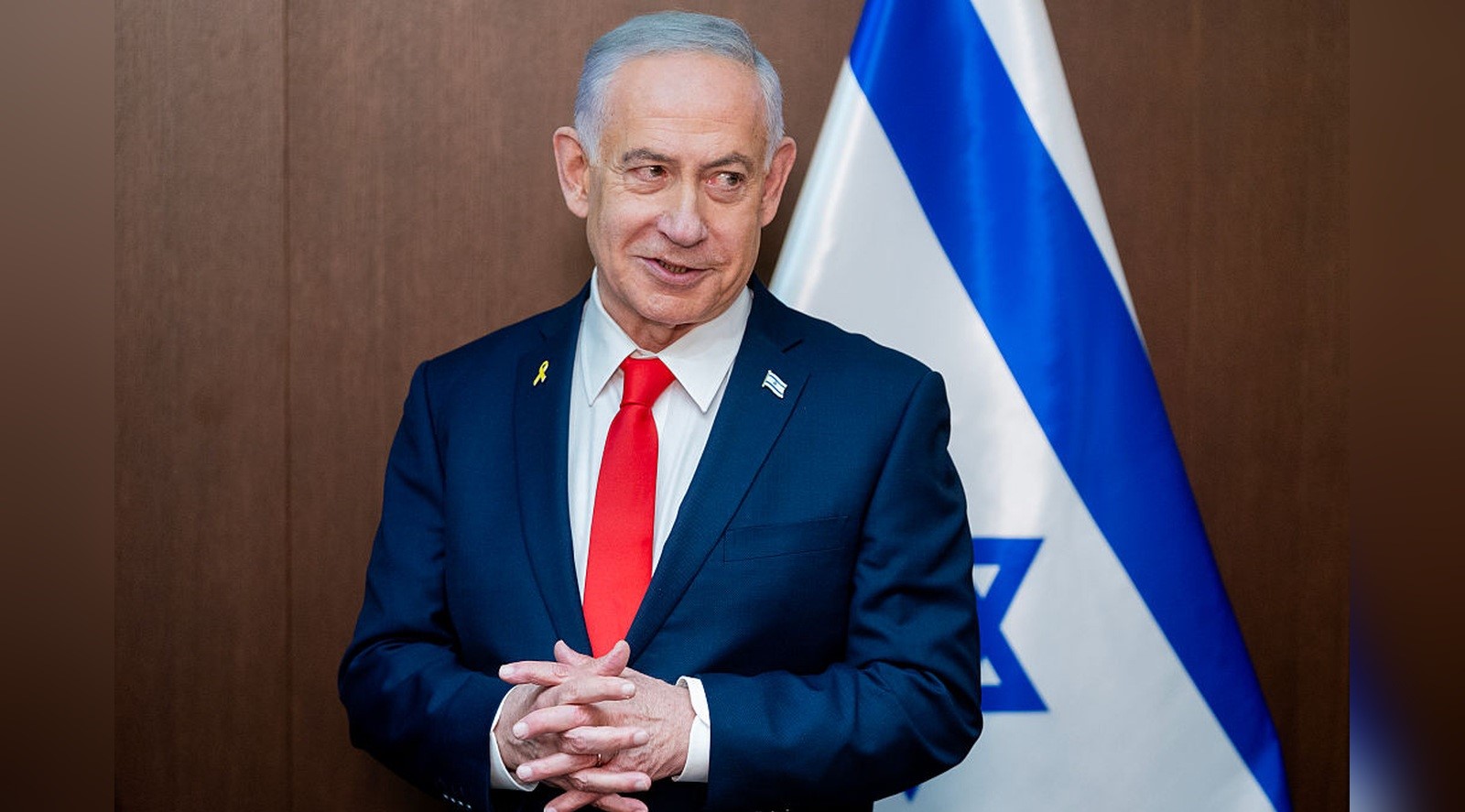
For decades, Israeli politics hasn't been about competing visions for a nation. It has been a referendum on one man. Benjamin Netanyahu didn't just win elections; he reshaped the foundational architecture of Israeli democracy into an intense personality-driven arena where loyalty to a leader supersedes institutional integrity. Now, as Israel grapples with the aftermath of devastating security failures, ongoing regional conflict, and a fractured electorate, the true cost of this hyper-personalized system is coming due.
When you look at the recent acrimony in the Knesset, you are seeing the direct harvest of a political culture built around a single figure. Netanyahu mastered the art of survival through division, turning governance into a zero-sum game. Either you stood with him, or you were branded a threat to the state. This strategy kept him in power longer than any other prime minister in Israeli history, but it hollowed out the checks and balances that modern democracies rely on to function.
The Erosion of Institutional Norms
Long before the seismic shocks of recent years, Netanyahu systematically tested the boundaries of Israel’s democratic institutions. The judiciary, the police, and the civil service became primary targets whenever they threatened his political ambitions or his ongoing corruption trial. By framing state investigators and judges as partisan actors out to subvert the will of the people, he normalized an adversarial relationship between elected leaders and the impartial bodies meant to keep them in check.
This wasn't just standard political posturing. It was a deliberate erosion of trust. When citizens stop believing that courts are fair or that civil servants are non-partisan, the entire social contract begins to fray. The push for judicial overhauls before the war wasn't an isolated policy debate; it was the logical culmination of a system designed to concentrate power in the executive branch and neutralize institutional pushback.
Security as a Wedge Issue
Netanyahu’s longevity rests heavily on his self-cultivated image as the ultimate guardian of Israeli security. For years, he convinced a significant portion of the electorate that no one else could navigate the treacherous geopolitics of the Middle East. He framed every opponent as dangerously naive, painting national defense not as a bipartisan duty, but as his personal proprietary domain.
The catastrophic intelligence and military failures laid bare the hollow core of this security doctrine. Yet, even in the face of unprecedented national trauma, the political machinery he built scrambled to deflect accountability. The instinct to protect the leader superseded the imperative to protect the country or learn from fatal mistakes. Instead of fostering a culture of responsibility, personality politics demands absolute fealty, even when the strategy fails catastrophically on the battlefield.
The Opposition Trap
You cannot fully understand Netanyahu's legacy without looking at how he transformed his opposition. To beat Netanyahu, his rivals often found themselves adopting his tactics, organizing their entire platforms around anti-Netanyahu sentiment rather than coherent policy alternatives. When politics becomes entirely about removing one individual, the system struggles to govern effectively even when that individual is pushed to the margins.
Parties across the political spectrum have fractured and reformed based almost entirely on their proximity to the longest-serving premier. This dynamic paralyzes legislative bodies. Critical domestic issues—like infrastructure funding, economic inequality, and the deeply contentious exemption of ultra-Orthodox men from military service—take a backseat to eternal tribal warfare over who sits in the prime minister's chair.
What Comes After the Era of Bibi
Israel stands at a critical historical crossroads. The transition away from Netanyahu's dominant shadow doesn't automatically mean a return to staid, institutional politics. The polarization he accelerated has embedded itself deeply into the civic fabric. A new generation of leaders, whether from the military establishment or the nationalist right, now operates within the playbook he wrote: high-stakes messaging, institutional skepticism, and the elevation of personal brand over party platform.
Rebuilding Israeli democracy requires more than changing the occupant of the prime minister's office. It demands restoring faith in non-partisan state institutions, forcing political parties to compete on substance rather than personality cults, and confronting the deep societal fractures that allowed one man to define an entire nation's political identity for a generation. The damage took decades to cement, and undoing it will require a conscious, painful rejection of the politics of division.