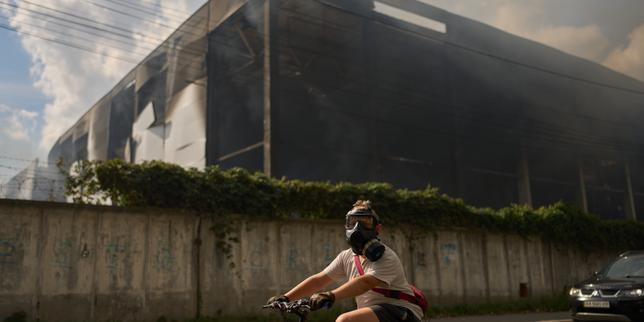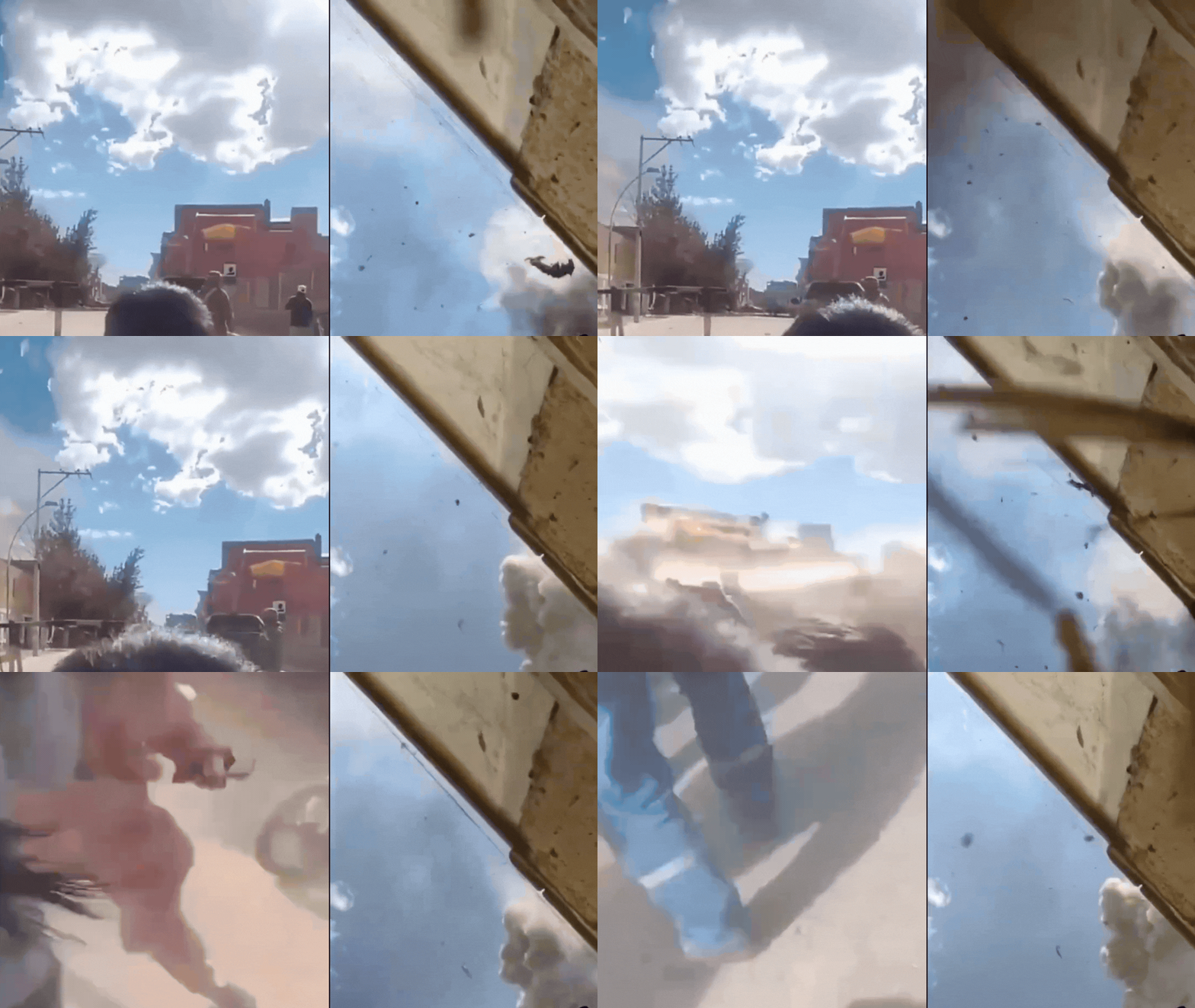
Ten people are dead and over sixty are injured. That's the devastating toll after a massive explosion ripped through a military base in Viacha, Bolivia, located just about 30 kilometers from La Paz. When pyrotechnic material stored by the defense ministry goes up in flames, you don't just get a loud noise. You get shattered windows, destroyed houses, and a community thrown into absolute panic.
If you are wondering what actually happened at that military complex, local health director Rita Nebraska laid out the grim reality to Noticias Bolivision. The blast hit around 2:30 pm, catching everyone off guard. Initially, reports varied on the exact casualty numbers, but officials confirmed that dozens needed urgent hospital care. Fourteen people were rushed straight to La Paz hospitals, including a young girl suffering from severe third-degree burns.
Why Military Arsenals and Fireworks Do Not Mix
Storing explosives and fireworks near populated civilian zones is a disaster waiting to happen. Yet, governments keep making this exact mistake.
The Viacha military base held a massive stockpile of fireworks overseen by the defense ministry. Why? Officials haven't fully figured out what triggered the blast yet, but the mere presence of high-volume pyrotechnic material in a military storage facility raises massive safety red flags.
When you look at similar disasters globally, the root cause is almost always poor safety protocols, outdated storage infrastructure, and a lack of buffer zones between military assets and civilian homes.
The Aftermath and Ongoing Dangers on the Ground
Emergency responders moved quickly, deploying ambulances, medical teams, and police units to lock down the area. But the danger didn't stop when the initial smoke cleared.
Firefighters detected persistent heat sources lingering inside the complex hours later. Because of this hidden thermal threat, authorities issued a strict warning: stay at least 150 meters away from the blast site. A secondary explosion remains a very real possibility when unstable pyrotechnics cook off in confined spaces.
Dozens of homes surrounding the military complex suffered structural damage. Most of it came from shockwaves blowing out windows, turning ordinary glass shards into dangerous projectiles for families sitting inside their living rooms.
What Needs to Change Right Now
Accidents like this expose glaring oversights in how hazardous materials are managed. You can't just stash fireworks in a military warehouse and hope for the best.
- Move explosive stockpiles far away from residential neighborhoods immediately.
- Enforce strict temperature and humidity controls in defense ministry storage facilities.
- Establish mandatory safety radiuses around any site holding pyrotechnic or military-grade ordinance.
Communities deserve better protection. Until governments take basic storage safety seriously, these preventable tragedies will keep happening.