Brazil stands on a political razor's edge as voters head back to the voting booth. On one side sits 80-year-old incumbent President Luiz Inácio Lula da Silva, seeking a fourth term to cement his political legacy. On the other stands 45-year-old Senator Flávio Bolsonaro, carrying the conservative mantle for his family.
First-round results proved how split the electorate really is. Flávio Bolsonaro finished ahead in the initial round by more than 2.2 million votes, pulling roughly 47% against Lula's 45%. Because neither crossed the 50% threshold, the election headed straight to a high-stakes runoff. Polling since then shows a razor-thin contest, with both candidates practically deadlocked.
The Decisive Battleground in Minas Gerais
To understand where this election will be won or lost, look directly at Minas Gerais. The southeastern state serves as Brazil's historic electoral bellwether. No presidential candidate in modern Brazilian history has captured the presidency without winning this critical state.
During the first round, Flávio Bolsonaro secured a five-point advantage in Minas Gerais. But that victory came with a catch: turnout fell sharply. Across Brazil, over 33 million voters stayed home, pushing abstention rates to 21%. Eight of the ten municipalities with the highest abstention figures nationwide sit right inside Minas Gerais.
Abstention almost always hurts Lula more. Lower-income voters and younger demographics, who lean heavily toward the veteran leftist leader, make up a large percentage of those who skipped the first vote. If Lula's campaign manages to get those voters back to the polls on Sunday, he can erase the gap. If those voters stay home again, Bolsonaro retains his edge.
Legacy Leadership versus Family Loyalty
This election offers two radically distinct directions for Latin America's largest economy.
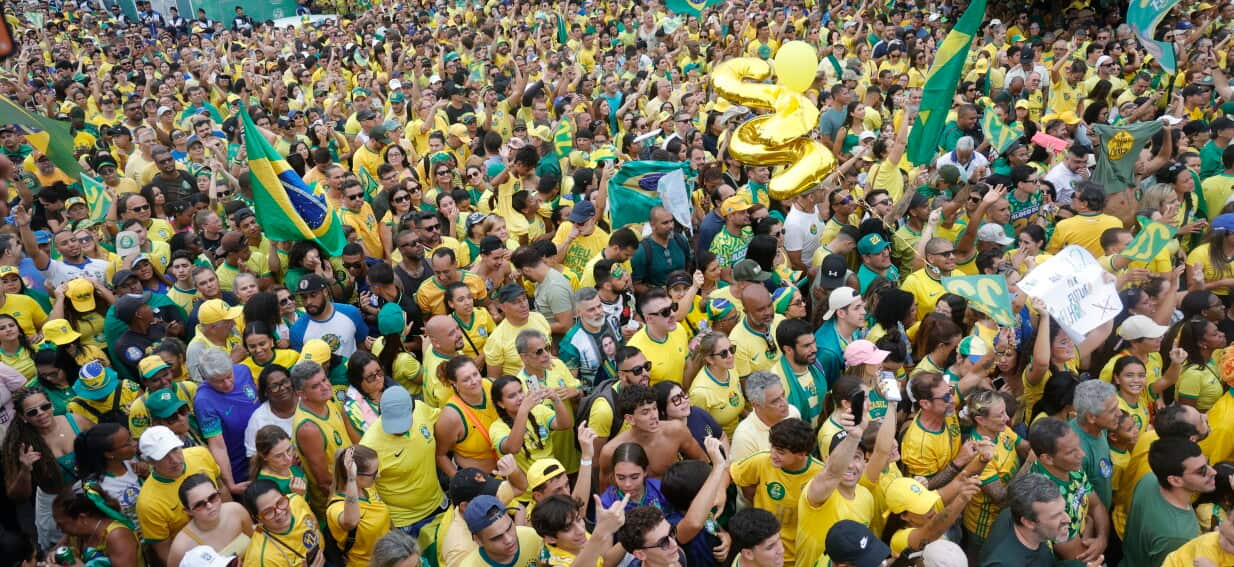
Lula's campaign focuses on preserving social safety nets, maintaining environmental protections, and strengthening international trade alliances. For the former union leader, this race carries the feeling of a final political chapter. His campaign rallies in São Paulo and Rio de Janeiro drew massive crowds, relying on deep grass-roots support to drive voter turnout.
Flávio Bolsonaro has built his platform around traditional conservative values, free-market policies, and a firm stance on public security. The senator's rise follows his family's established political movement, drawing strong backing from agricultural centers, evangelical networks, and business groups.
Key issues shaping voter decisions include:
- Economic Growth and Inflation: Voters remain hyper-focused on food prices, employment numbers, and federal spending limits.
- Social Policies: Expanding direct welfare payments vs. reducing state intervention and tax burdens.
- Foreign Policy: Re-centering non-aligned international relations vs. forging closer security ties with conservative allies abroad.
How Voting Works and What Happens Next
Brazil uses an electronic voting system where citizens type numeric codes corresponding to their chosen candidates directly into secure terminals. Voting is mandatory for literate citizens aged 18 to 70, though non-voters face only a small administrative fine. Anyone who missed the first round remains fully eligible to cast a ballot in the runoff.
Because votes are processed electronically nationwide, official results usually roll in within hours after polling stations close.
For voters looking to track official announcements or verify their local voting status, consult the official resources provided by Brazil's electoral authorities:
- Check registration details and official guidance on the Tribunal Superior Eleitoral portal.
- Review campaign reporting and coverage via The Guardian.
Actionable Next Steps for Voters and Observers:
- Confirm your designated voting section online before heading out.
- Bring an official photo ID or open the e-Título mobile app on your phone.
- Follow real-time tallying directly through official electoral authority broadcasts once polls close.