Headlines about a British healthcare worker contracting Ebola in the Democratic Republic of Congo naturally trigger panic. People instantly picture widespread contagion, airport lockdowns, and runaway outbreaks. Let's clear the air immediately. The UK government is executing a planned medical evacuation for a single patient, and the actual risk to the broader British public sits near zero.
Panic spreads faster than viruses, but biology tells a much calmer story. Understanding how infectious diseases actually move helps separate sensational news from medical reality.
The Reality of the Bundibugyo Strain and Frontline Risks
The ongoing outbreak in the DRC involves the Bundibugyo virus strain. Frontline humanitarian workers operate in brutal conditions, treating severely ill patients where accidental exposures happen despite rigorous safety protocols. Contracting the virus while providing care is an occupational hazard for brave volunteers, but it changes nothing about how the pathogen operates biologically.
Ebola is not airborne. You cannot catch it by walking past someone in a grocery store or breathing the same air on a tube. Transmission requires direct contact with infected bodily fluids. Furthermore, infected individuals don't spread the virus until symptoms actually manifest. Active monitoring, prompt isolation, and strict barrier nursing completely neutralize the transmission chain.
How the UK Handles High-Consequence Pathogens
When a citizen falls ill abroad with a high-consequence infectious disease, health authorities don't improvise. They activate protocols designed over decades.
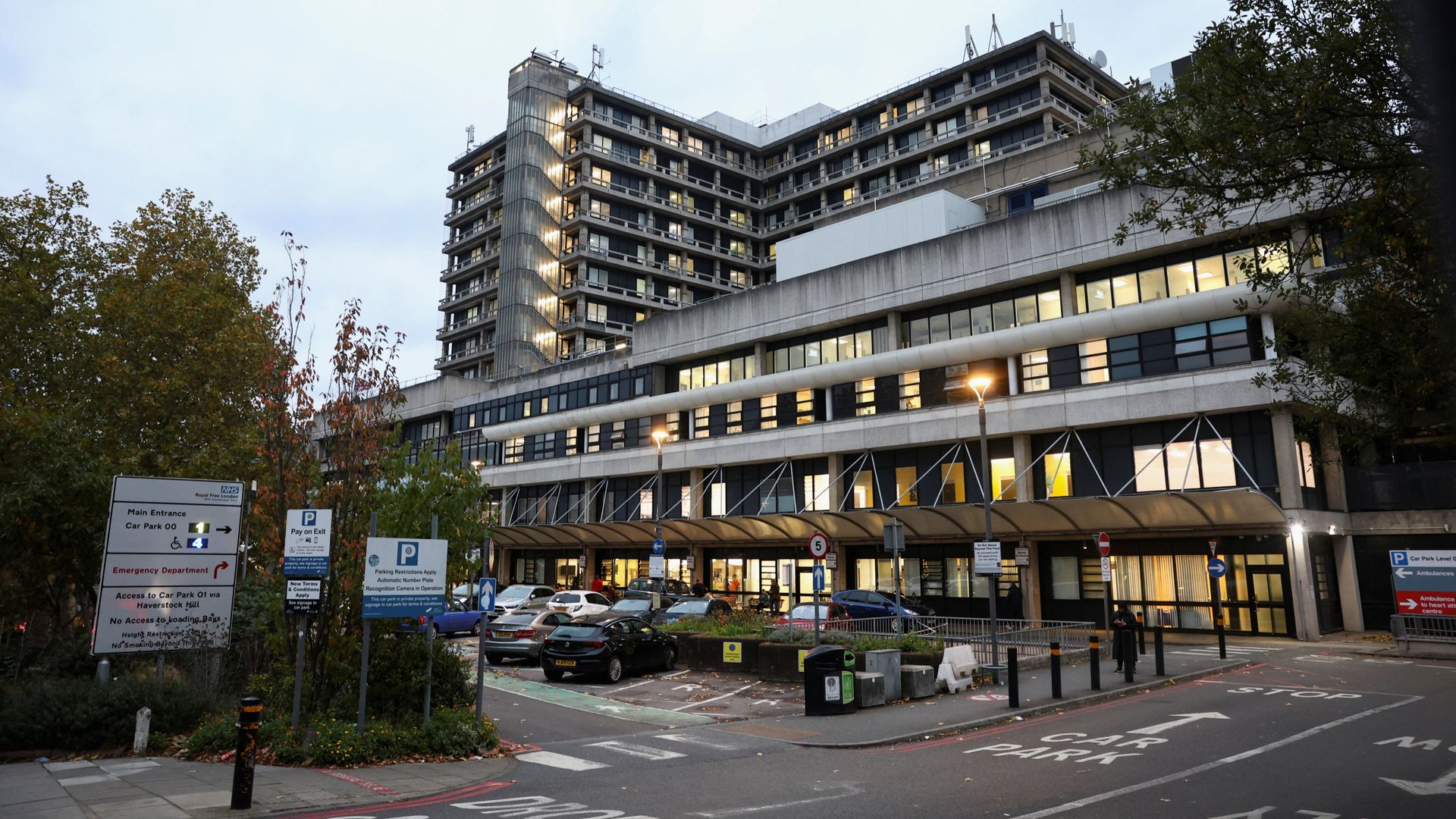
The patient is slated for transport under intensely controlled conditions, utilizing specialist isolation units. Historically, institutions like the Royal Free Hospital in London have safely managed similar cases without a single secondary transmission to the public. These facilities feature specialized negative-pressure airflow systems, automated waste decontamination, and dedicated clinical teams trained to handle hazardous viral agents safely.
Moving a patient under strict biocontainment is safer for the public than leaving them in an overwhelmed local clinic. Specialized transport isolators prevent any environmental exposure during transit.
Why Domestic Risk Stays Low
Public health agencies emphasize that a single imported case does not elevate the threat level for everyday citizens. Britain has recorded only a handful of Ebola cases historically, and containment protocols have always held firm.
Respiratory viruses like influenza or Covid-19 exploit our daily routines by floating invisibly through crowded spaces. Ebola requires physical contact with fluids from a symptomatic person. That stark physiological difference makes containment straightforward for modern medical infrastructure.
Instead of worrying about hypothetical local outbreaks, focus on standard health practices that actually matter for your daily life. If you're traveling to regions experiencing active outbreaks, follow local health advisories precisely, avoid healthcare facilities unless necessary, and practice meticulous hand hygiene. For those staying in the UK, trust that the system built to handle these rare medical evacuations works quietly and effectively behind closed doors.