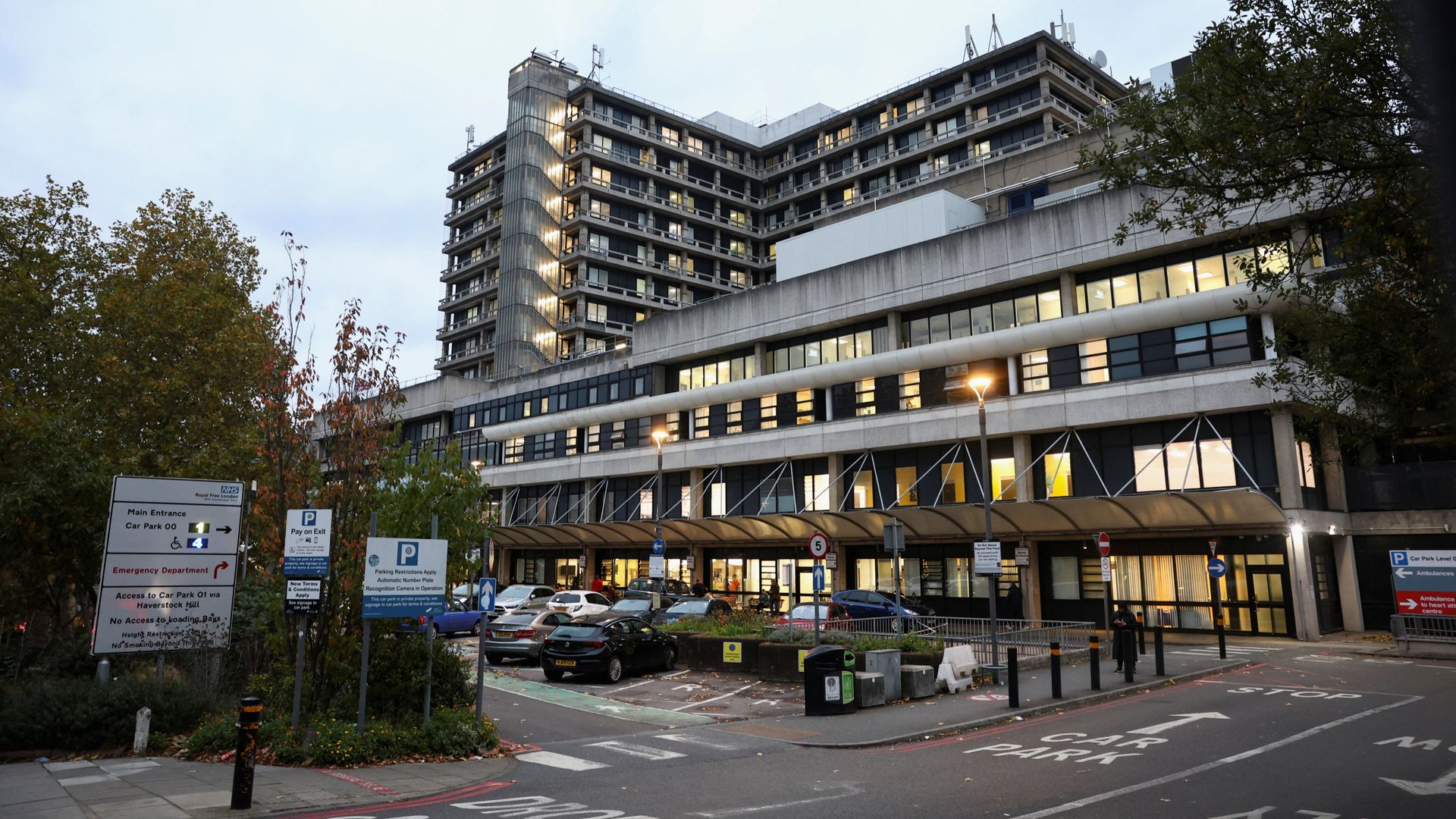
A British medical worker caught Ebola while fighting the ongoing outbreak in the Democratic Republic of the Congo. They didn't stay there. They were flown straight back to London on a specialized medical evacuation flight and placed inside the high-consequence infectious disease unit at the Royal Free Hospital.
If you see headlines screaming about an Ebola patient arriving in the UK, your first instinct might be panic. Don't. This isn't the start of a domestic outbreak. It’s a carefully managed extraction of someone who put their life on the line to contain a brutal crisis abroad.
Let's look at what's actually happening behind the scenes, why these high-level isolations exist, and what the real story is with this outbreak.
The Reality of Medical Evacuations
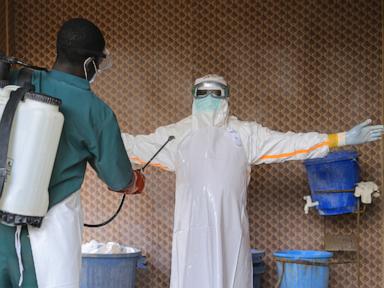
Moving a patient with a deadly pathogen like Ebola is terrifying on paper, but standard operating procedure for specialized medical teams. The UK Health Security Agency (UKHSA) didn't just toss the patient onto a commercial British Airways flight.
Instead, the transport involved a heavily controlled containment setup. Specialists monitored the patient the entire way using full personal protective equipment. Upon landing, police escorted a secure convoy directly to the Royal Free Hospital in north London.
This isn't the first time it's happened. Britain has handled similar cases before. In fact, since 1976, there have only been four prior confirmed cases of the virus diagnosed in the UK. One was a lab accident decades ago, and the other three involved health workers who caught the virus responding to the massive West African epidemic between 2014 and 2015.
The system works because it's built for containment. The Royal Free Hospital houses one of the world's most secure isolation wards. Negative pressure rooms, dedicated air filtration, and specialized staff mean the virus goes nowhere near the general public. Dr Renu Bindra from the UKHSA made it crystal clear: the risk to the wider British public remains exceptionally low.
Why This Outbreak Is Different
You can't talk about this evacuation without looking at the scale of the disaster unfolding in the DRC. The current outbreak, declared earlier by health ministries, has strained local resources past breaking point. It's not just a medical issue; it's tangled up in active regional conflicts, displaced populations, and overwhelmed infrastructure, particularly in regions like North and South Kivu.
Unlike isolated flare-ups of the past, this epidemic has crossed borders, touching neighboring nations and testing the resilience of international health agencies. Thousands of lives have been impacted, turning humanitarian response work into a high-risk assignment. When medical volunteers sign up to help, they know the risks. When things go wrong, advanced nations have a protocol to bring their citizens home safely for care.
How Ebola Actually Spreads (And Why Panic Is Misplaced)
People hear "Ebola" and immediately think of airborne contagion spreading through crowded tube stations or supermarkets. Movies love this trope. Reality is entirely different.
Ebola does not travel through the air. You cannot catch it by breathing the same air as an infected person or standing next to them in a lift.
Transmission requires direct, unshielded contact. It spreads through broken skin or mucous membranes coming into contact with the bodily fluids—blood, vomit, stool, or saliva—of someone who is already showing active symptoms. If a patient isn't symptomatic, they aren't infectious. And inside a specialist containment unit, strict barrier nursing ensures zero crossover.
The Human Cost on the Frontlines
Behind the medical bulletins and government press releases are actual human beings who left comfortable lives in the UK to treat patients in remote, conflict-torn regions of Central Africa. Humanitarian workers face brutal conditions, often working long hours under intense psychological pressure while managing a disease with a terrifying mortality rate.
When a healthcare worker falls ill, it triggers a massive logistical effort to save their life. Transporting them back to a tier-one facility gives them access to advanced therapeutics, intensive supportive care, and clinical trials that simply aren't available in remote field hospitals.
The focus right now remains on the patient's recovery inside the Royal Free Hospital's isolation ward, where they are currently listed in stable condition. Meanwhile, thousands of local and international responders are still on the ground in the DRC, trying to stop the transmission chain at its source.
If you're worried about catching it on your morning commute, you can relax. The real crisis isn't happening on the streets of London. It's happening thousands of miles away, where brave medics are fighting an uphill battle to keep an epidemic from claiming even more lives.