Floorboards talk if you know where to look. Right now, contractors tearing up centuries-old infrastructure beneath Buckingham Palace are finding out what the domestic staff left behind while keeping Britain's monarchy running.
Forget crown jewels and state portraits for a minute. The real story of Buckingham Palace is tucked away in discarded betting slips, 19th-century theatre clippings, and crushed cigarette cartons shoved into dark crawlspaces. For a more detailed analysis into similar topics, we recommend: this related article.
The Messy Reality Behind Royal Infrastructure
A ten-year overhaul of the palace isn't just about polishing gold leaf. Workers are ripping out rotten lead pipes, ancient boilers, and dangerous electrical lines wrapped in vulcanised Indian rubber cabling that posed a massive fire hazard. It's the first time some of these utilities have been touched in sixty years.
Tearing down walls and pulling up floorboards means disturbing long-forgotten time capsules. Palace staff weren't trying to preserve history for future museum curators. They were just hiding their lunch wrappers, betting tickets, and yesterday's newspapers out of sight. For broader background on this development, detailed analysis can be read on The New York Times.
What Was Actually Found Underneath
The haul reads like a cross-section of British working-class life over the last century and a half.
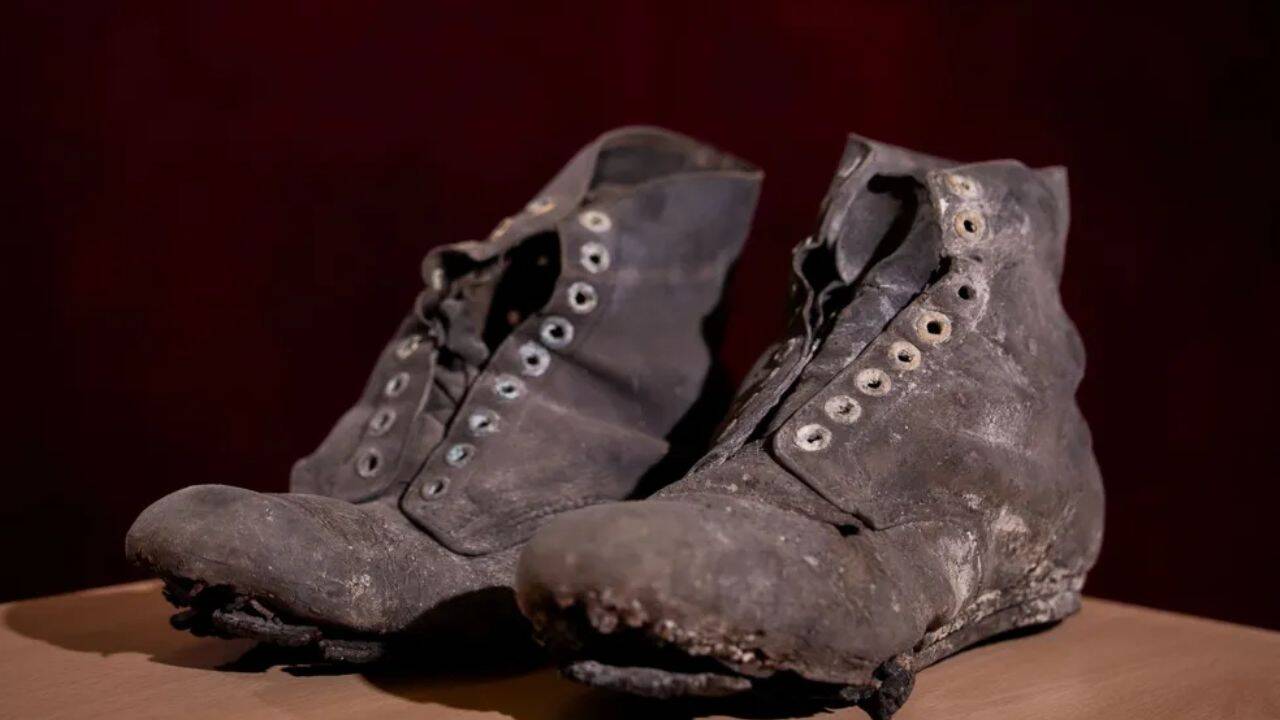
You have a fragment of a theatre listing from The Standard dated November 27, 1889—long before television or radio existed. You have battered black hobnailed boots that must have weighed a ton on stone corridors. There are blank Littlewoods Football Pool betting slips from 1957, a pewter tankard, and a sixpence ticket for a whist drive card game hosted by the palace social club back on April 14, 1949, during the reign of King George VI.
Workers also pulled out a 1966 edition of the Daily Express featuring coverage of the infamous Great Train Robbery. Mixed in with old cigarette cartons and an empty bottle of Schweppes water, these items paint an honest picture of the people who kept the fires lit and the teacups filled.
The Strict Protocols of 1977 Revealed
Among the debris, contractors also uncovered official paperwork that shows how tightly controlled royal events always were. A typed schedule from Queen Elizabeth II's Silver Jubilee in 1977 laid out exact instructions for a diplomatic reception.
Aides had strict orders. They had to ensure the 350 British guests mingled properly with international diplomats. The schedule even specified that the monarch needed to work the room in a clockwise direction, directing British visitors away from certain rooms so they would actively converse with foreign officials. It's bureaucratic choreography at its finest.
Why This Restoration Matters Now
King Charles and Queen Camilla aren't moving back into Buckingham Palace anytime soon. They're staying put at Clarence House while the massive modernization project drags on, funded by a temporary bump in the Sovereign Grant.
When the dust settles and the modern wiring is safely installed, the palace will run smoother. But the real value of this massive engineering project turns out to be the accidental archaeology. It reminds us that behind every grand throne room and historic balcony wave lies the quiet footprint of ordinary workers who lived, worked, and dropped their trash beneath the floorboards.