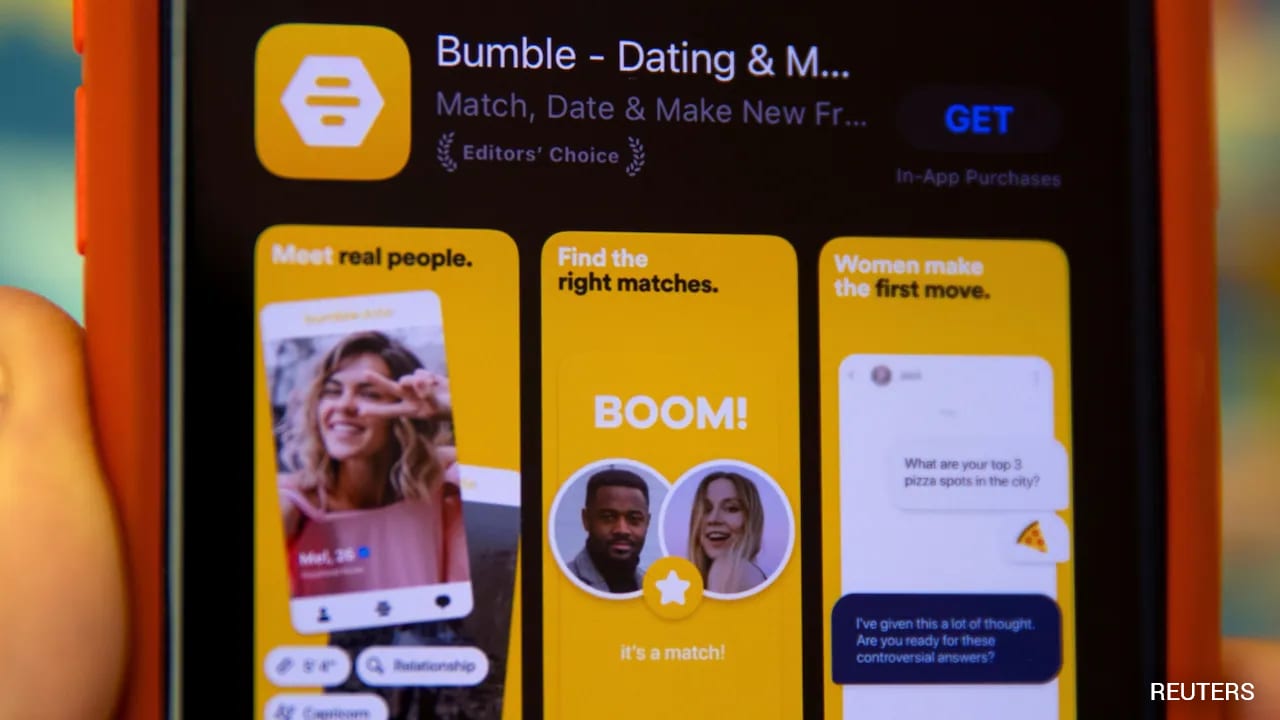
For twelve years, Bumble staked its entire brand on a single concept. Women had to send the first message. If a heterosexual match happened, the clock started ticking, and the man sat on his hands waiting. It was hailed as a feminist revolution in digital courtship, designed to shield women from endless waves of unwanted garbage messages and free men from the exhausting burden of initiating every single interaction.
Then reality hit the bottom line.
Bumble dropped its iconic women-first messaging rule, allowing either party to kick off a conversation. They also stretched the reply window from a frantic 24 hours to a much more forgiving 72 hours. When a company flips the switch on the exact mechanic that made it famous, you know things got desperate.
The Numbers Do Not Lie
Let us look at why this happened. Recent financial reports showed total revenue sliding 15 percent down to $171.7 million, while total paying users dropped 16 percent to 3.2 million. Wall Street wasn't impressed, and users were burning out.
The core feature that sounded brilliant in a corporate boardroom turned out to be an operational drag in practice. Surveys revealed that nearly two-thirds of women on the app actually preferred men to make the first move. Think about that for a second. The primary selling point of the app—forcing women to break the ice—was actively annoying a massive chunk of its female user base.
People are busy. Between demanding jobs, personal lives, and chronic app fatigue, forcing a 24-hour turnaround on a stranger just led to endless expired matches. Women were tired of doing the heavy lifting, and men were tired of watching promising connections vanish because the clock ran out before a greeting ever happened.
What Changes Now
Opening the floodgates doesn't mean it is a free-for-all, though. To prevent the new system from turning into a wasteland of lazy one-word greetings, the platform introduced detection systems for low-effort openers. If you try to send a simple, lifeless greeting, the app flags it and prompts you to actually try.
The shift to a 72-hour reply window also acknowledges human pacing. Expecting instant text-availability from people trying to date outside of work hours was always an unrealistic standard.
Identity Crisis on the Horizon
Branding experts are already pointing out the massive risk here. When you toss out the primary feature that separates you from Tinder or Hinge, you look like everyone else. Differentiation matters in a crowded market. If Bumble is just another swipe app where anyone can text first, users need a new reason to download it.
Founder Whitney Wolfe Herd defended the move by stating that being women-first was never about forcing a single rigid method of connecting. Call it an evolution or call it damage control. Either way, the experiment of forcing half the population to always take the first shot has officially run its course.
Stop waiting for rules to fix modern dating. Fill out your profile with actual details, write something worth reading, and stop letting arbitrary app timers dictate your love life.