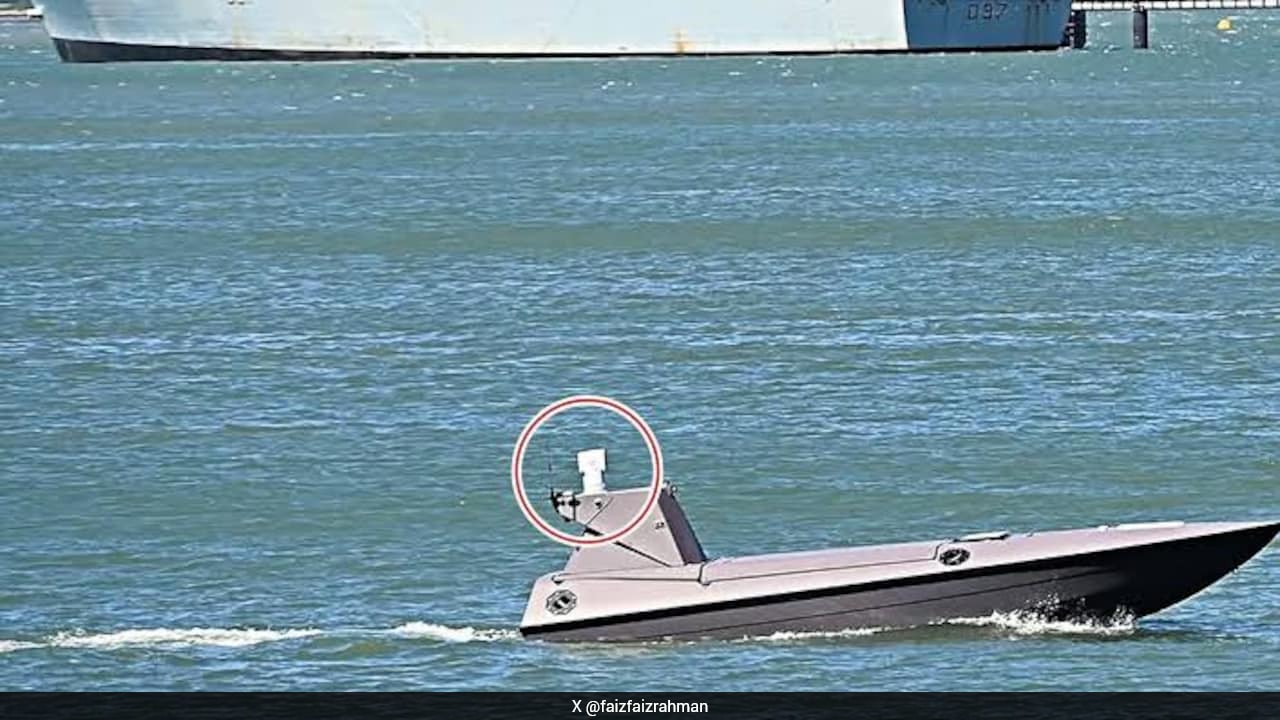
Modern military hardware relies heavily on commercial electronics, and that convenience is coming back to bite Western defense forces. When routine cybersecurity tests on the Royal Navy's new K3 Scout uncrewed surface vessels revealed automated signals heading straight to an internet address in China, panic naturally followed.
The UK Ministry of Defence rushed to contain the fallout, stating firmly that no sensitive intelligence or classified data left British shores. Still, the incident exposes a glaring weak spot in how modern defense equipment gets built. You can design the most advanced autonomous drone in the world, but if a third-party camera subsystem has hidden ties to foreign servers, your security perimeter is already breached. Meanwhile, you can find other events here: Why Internet Access In The Global South Must Not Depend On Bezos And Musk.
What Actually Happened With the K3 Scout Drones
The issue centers on a roughly twelve million pound fleet of about twenty K3 Scout drone boats deployed by the Royal Marines starting in March 2026. Built by Kraken Technology Group, these uncrewed vessels are designed for high-end maritime surveillance and force protection.
During a standard cyber vulnerability check, analysts noticed something odd. Cameras installed on the vessels were transmitting automated "heartbeat communications" to an IP address located in China. These aren't massive data dumps or live video feeds of secret naval bases. A heartbeat signal is just a tiny packet of code telling a remote server that a device is plugged in, online, and working properly. To explore the bigger picture, we recommend the excellent report by Engadget.
Even so, the implications are uncomfortable. The equipment came with strict documentation and compliance assurances meant to block out restricted foreign hardware. Somewhere along the assembly line, lower-tier suppliers slipped components into the supply chain that slipped right past the prime contractor's radar.
The Dangerous Illusion of Secure Supply Chains
Defense contractors love to talk about strict vetting, but global manufacturing makes total isolation almost impossible. Microchips, circuit boards, camera lenses, and batteries come from a deeply interconnected web of factories where China remains a dominant force.
When a British company builds a military drone, they rarely manufacture every single screw or sensor from scratch. They source parts from specialized commercial vendors. If those vendors purchase sub-components overseas, tracking the origin of every line of firmware becomes a logistical nightmare.
The K3 Scout scare proves that software-dependent military platforms inherit vulnerabilities from commercial tech markets. A camera meant for basic commercial security might look fine on paper, but its internal network routing can easily establish unexpected external connections once powered up.
How the Ministry of Defence Responded
The UK military didn't try to sweep the issue under the rug, though they were quick to calm public nerves. Officials moved fast to strip all internet connectivity from the affected cameras. By cutting that digital umbilical cord, they shut down any outbound communication channels instantly.
An internal audit conducted alongside Kraken Technology Group confirmed that no classified information or operational maps fell into foreign hands. The drones were also slated for potential deployment linked to freedom of navigation operations in the Strait of Hormuz, making the timing of this cyber discovery doubly sensitive.
Fixing the hardware is the easy part. Changing how defense agencies audit third-party tech is where the real battle lies.
The Bigger Lesson for Autonomous Warfare
As militaries shift toward hybrid fleets of cheap, expendable drones, the attack surface expands exponentially. Controlling twenty uncrewed surface vessels creates a much heavier cybersecurity burden than managing a handful of heavily armored traditional warships.
Every extra sensor or modular payload added to an open-architecture drone introduces new firmware and communication pathways. If defense planners want to keep foreign actors out of their systems, they need end-to-end component traceability that goes far beyond standard compliance paperwork.
Stop trusting compliance certificates alone and start demanding complete hardware transparency before these systems touch the water.