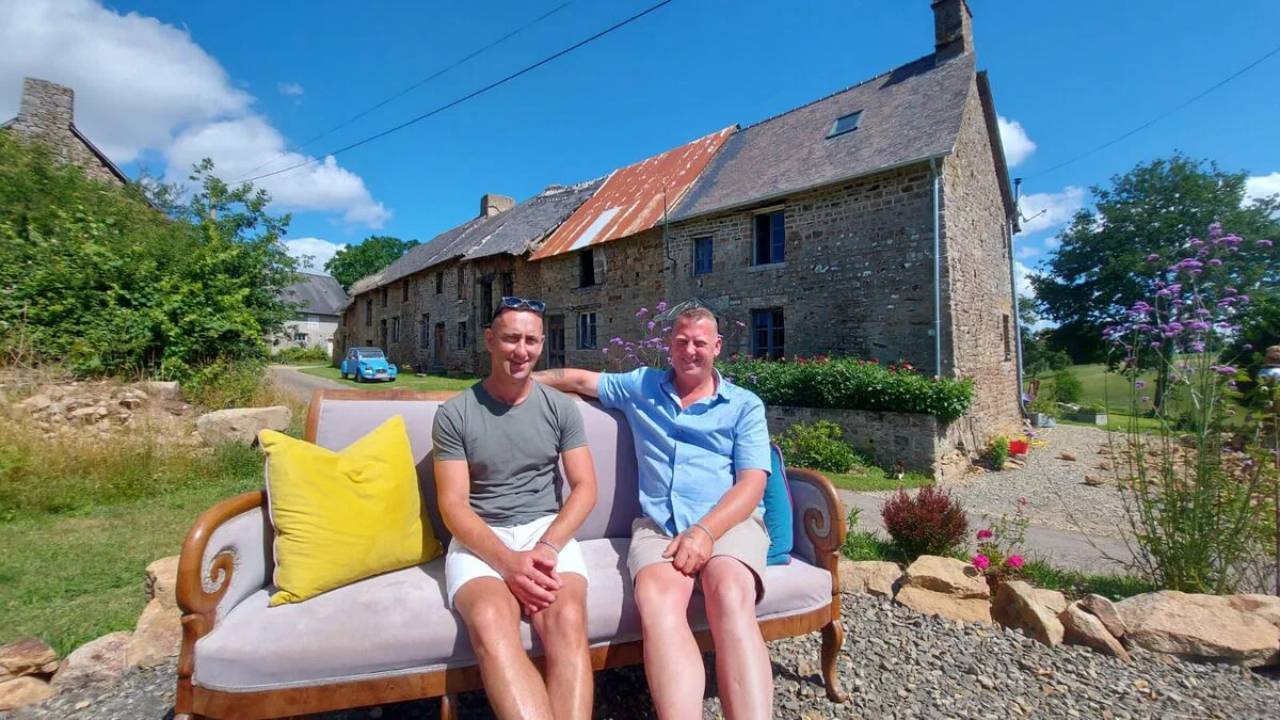
You can work yourself to the bone for decades, hand over half your paycheck to a landlord, and still never scrape together enough deposit for a modest flat in Britain. Or you can look across the English Channel and buy an entire collection of stone ruins for less than the price of a used hatchback.
That is precisely what Yip Ward and Paul Mappley chose to do. Locked out of the skyrocketing UK property ladder, this couple traded the crushing weight of modern urban renting for a wild gamble in rural France. They spent just twenty-six thousand pounds on a derelict hamlet featuring seven cottages, two massive barns, and acres of land.
Instead of waiting for a miracle, they rolled up their sleeves. By taking on the backbreaking work of DIY renovation themselves, they managed to save over one hundred thousand pounds in labor costs. But before you pack your bags and scroll through property listings in the French countryside, you need to understand the unfiltered reality behind these sensational headlines. Buying a abandoned rural hamlet is not a romantic holiday. It is an endurance test.
The Reality of Buying Dirt Cheap Real Estate
Everyone loves a bargain. When a listing pops up offering a whole village for pennies, social media goes wild. People imagine sipping wine under a sun-drenched pergola, completely ignoring why the property was cheap in the first place.
If a property costs twenty-six thousand pounds, it means nobody else wanted it. It means structural neglect, absent plumbing, non-existent electrical grids, and roofs that leak sky water straight onto rotting floorboards. Yip and Paul walked into a massive project that had been abandoned for years.
When you tackle a restoration of this scale, your timeline will blow out. Your budget will stretch. You will encounter problems that require specialized engineering knowledge. If you don't know how to repoint ancient stone walls or fix a compromised timber frame, you are going to learn quickly or pay a fortune to bring in local artisans.
Why DIY Renovation Saves Money and Destroys Your Body
The math behind saving over one hundred thousand pounds is straightforward. Labor makes up the lion's share of any construction budget. If you hire certified contractors in Western Europe to rebuild seven individual cottages from the ground up, bills escalate rapidly.
By doing the heavy lifting themselves, Yip and Paul bypassed commercial contractor rates. They mixed concrete, hauled debris, installed fixtures, and patched roofs with their own hands.
However, DIY at this level exacts a heavy toll. Physical exhaustion becomes your constant companion. You will spend months sleeping in temporary quarters without central heating or running hot water. Your weekends do not exist. Every single day turns into an endless loop of manual labor, material sourcing, and problem-solving. If you lack patience or handiness, attempting a whole-hamlet renovation will break you mentally.
Navigating Bureaucracy Across Borders
Moving across the channel brings a fresh wave of administrative headaches. Brexit changed the landscape for British citizens wanting to live permanently in the European Union. Property ownership does not automatically grant you residency rights. You have to navigate visas, tax obligations, and local planning permissions.
French local authorities, known as communes, maintain strict regulations about what you can and cannot do to rural heritage structures. You cannot just slap modern plastic windows onto a centuries-old stone cottage without running afoul of local zoning laws. Respecting architectural heritage takes time, paperwork, and plenty of patience with local civil servants.
You also have to factor in ongoing maintenance costs. Owning multiple buildings means paying property taxes, maintaining access roads, and managing vast plots of land. Even if your initial purchase price is low, the baseline upkeep never stops.
What You Should Do Before Chasing the Rural French Dream
If the idea of escaping the housing crisis by snapping up cheap European property still appeals to you, approach it with cold pragmatism rather than blind romanticism.
First, secure your legal status. Talk to immigration experts and make sure you understand visa requirements for long-term stays in Europe. Do not buy real estate until you know exactly how long you are legally allowed to live in it each year.
Second, double your renovation budget before you start. Every single time you open a wall in an old building, you will find a hidden nightmare. Termite damage, dampness, or outdated wiring will drain your cash reserves faster than expected.
Third, assess your actual skill set. Be honest about what you can build with your own hands and what requires professional help. Saving money on labor is fantastic, but DIY mistakes on structural elements can cost you ten times more to fix later.
Yip Ward and Paul Mappley proved that stepping off the conventional path can yield incredible rewards for those willing to endure the hardship. Just remember that behind every triumphant headline of a cheap European hamlet revival lies months of sweat, dust, and unrelenting grit.