Living in a former weapon of mass destruction sounds like a sci-fi movie plot. Yet, buying an underground military bunker is an actual real estate trend. Take the North Star Missile Silo near Carlton, Kansas. This 18.2-acre property features a massive silo plunging 182 feet underground, paired with a command center transformed into 2,500 square feet of living space. Listed for $1.6 million, it captures public imagination instantly.
Most people see the price tag and picture a quirky, ready-to-move-in fortress. They imagine kicking back in an underground living room with zero mortgage worries or neighborhood noise. The reality of owning and maintaining a decommissioned Atlas F missile installation is far more complex. If you are eyeing eccentric real estate investments, you need to understand the structural realities, maintenance burdens, and actual costs hiding beneath the concrete.
The Engineering Reality Behind Atlas F Site 550-4
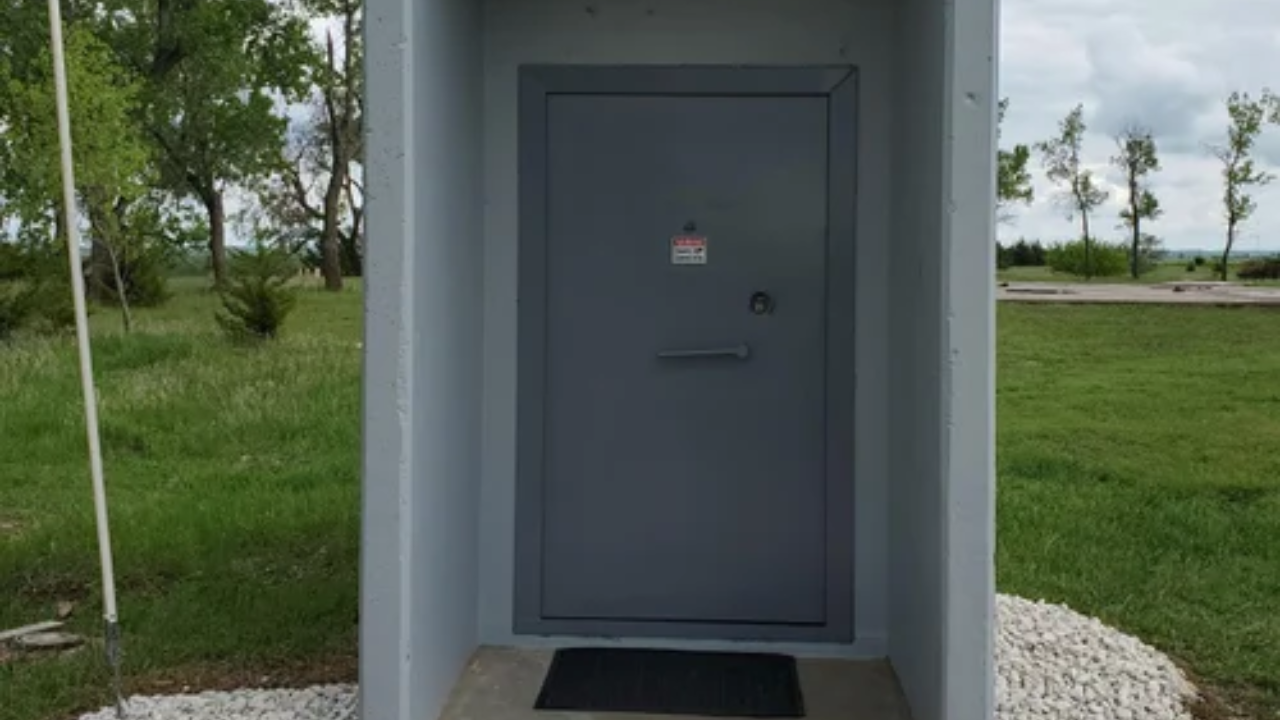
Built during the height of the nuclear arms race in the early 1960s, sites like Atlas F Site 550-4 were engineered to survive close-range nuclear blasts. The numbers are staggering. The vertical silo measures 52 feet across and sinks 182 feet straight down into the Kansas earth, reinforced by concrete walls six feet thick. Heavy steel blast doors seal the underground labyrinth from the outside world.
When the 550th Strategic Missile Squadron operated this facility out of Schilling Air Force Base, it functioned as an autonomous military machine. It went operational in 1962 and was deactivated just three years later in 1965 as military strategy shifted toward newer missile systems.
Decades later, current owners acquired the neglected shell and brought parts of it back to life. A 40-foot tunnel connects the vertical shaft to the two-story launch control center. That control center now houses an open-plan living room, dining area, two kitchens, two bedrooms, and two bathrooms. Modern touches include 200-amp electrical service, metered water from a rural district, separate sewage systems for surface and underground structures, mobile phone signal repeaters, and high-speed fiber internet.
The Hidden Challenges Of Subterranean Living
Turning a military relic into a habitable space takes immense capital and patience. When the current sellers bought the property, it wasn't habitable. They had to pour time, money, and labor into building a functional interior.
Water management remains the primary battle for any underground homeowner. Concrete underground structures constantly fight moisture intrusion, humidity, and condensation. The Kansas property relies on specialized humidity-control systems to keep the living quarters dry. If those systems fail, mold and structural degradation follow rapidly.
Maintenance costs scale differently underground. You cannot simply call a standard local contractor to fix a six-foot-thick steel blast door or repair structural concrete 150 feet below ground level. You need specialized engineering knowledge. Upkeep requires constant vigilance over electrical grids, air filtration, and sump pumps.
Zoning, Privacy, and Potential Uses
Above ground, the 18.2-acre parcel offers complete isolation. Enclosed by barbed-wire fencing and accessed via a solar-powered seven-foot chain-link gate with a remote keypad, the surface features an aluminum carport, a concrete pad with RV utility connections, and sweeping 20-mile views of the Kansas landscape.
Listing agents often pitch these properties for unconventional commercial uses. Ideas floated for the Kansas site include an off-grid conference venue, a unique wedding destination, or even converting the deep silo shaft into private condominiums. Turning a military silo into a commercial venue involves navigating complex county zoning laws, building codes, and safety compliance for public occupancy underground. Most local zoning boards do not have a standard checkbox for nuclear bunker event spaces. You will spend months arguing with county inspectors over fire exits, emergency ventilation, and handicap accessibility in a subterranean shaft.
What Buyers Should Consider Before Making An Offer
Purchasing a property like the North Star Missile Silo is not like buying a suburban fixer-upper. You are stepping into a niche market with very few comparable sales. Financing an underground nuclear silo through a standard mortgage lender is nearly impossible. Most traditional banks will balk at appraising a Cold War relic, meaning you need significant liquid capital or specialized commercial loans.
If you want a secure off-grid retreat or an ambitious hospitality project, properties like this offer unmatched privacy and structural endurance. Just make sure you budget for the invisible costs of maintaining a concrete fortress buried deep beneath the earth.