Canada is done standing quietly in the shadow of the Pentagon. Years of riding shotgun on North American defense matters are ending because tensions with Washington are rising, leaving local contractors scrambling to meet a sudden flood of cash. Prime Minister Mark Carney rolled out an aggressive defense industrial strategy that injects an extra $60 billion into military spending over the next five years.
If you run a local manufacturing shop, tech startup, or textile company north of the border, this means a historic shift. The federal government wants to triple the size of the national defense industry over the next decade. They are targeting half a trillion dollars in total investments and aiming to create 125,000 new jobs. In other developments, we also covered: Why The New Editorial Board For Cnn And Cbs News Changes Everything.
Why the Sudden Shift in Ottawa
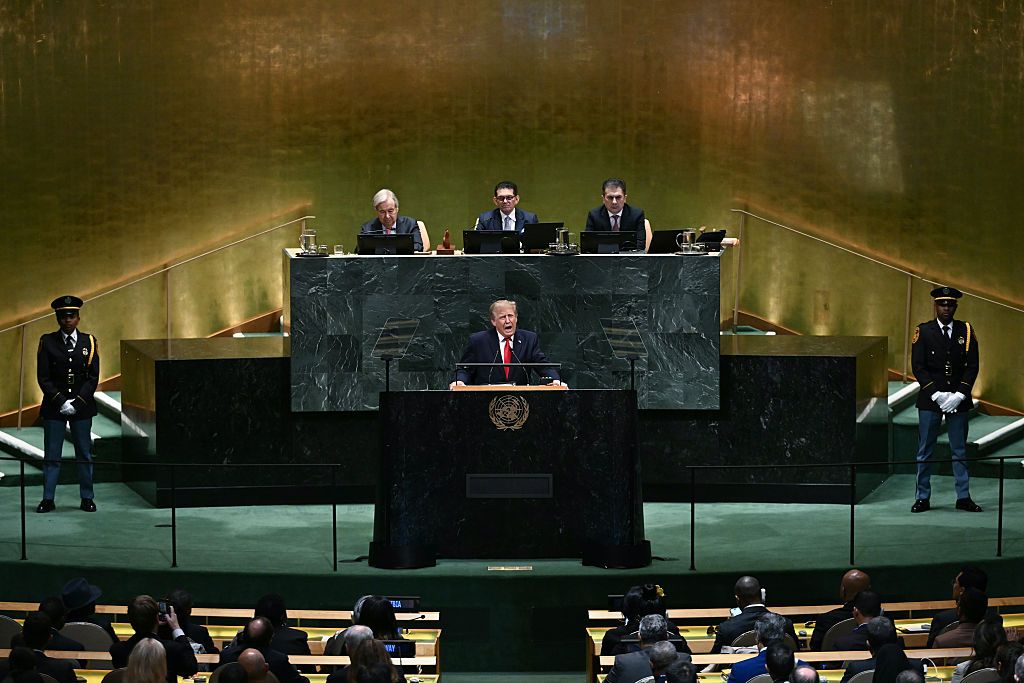
Washington and Ottawa aren't seeing eye to eye anymore. Constant pressure from U.S. President Donald Trump for NATO allies to pay their own way, combined with fresh rounds of cross-border trade tariffs, pushed Canada toward a hard pivot. Ottawa realized that relying entirely on American defense supply chains is a bad bet when political winds shift.
The strategy focuses on self-sufficiency. Instead of automatically buying American-made military hardware, Canada is shopping around globally and building its own domestic capabilities. We saw this happen when Ottawa bypassed American bidders to buy radar planes from Sweden's Saab and submarines from Germany's ThyssenKrupp. Investopedia has also covered this important topic in great detail.
The Boom for Local Contractors
Defense shows across the country are completely sold out. Companies that used to build consumer goods are pivoting hard into military contracts because the money is too big to ignore.
Take Wuxly, a Toronto-based luxury parka maker. They started sewing specialized military helmet covers for the Canadian Armed Forces that let soldiers easily attach lights, beacons, and call-sign patches. They also supplied Ukraine's military with 40,000 female-fitted uniforms.
It is not just clothing. Tech startups are jumping into the fray. New Frontier Robotics, a tiny team operating out of a University of Waterloo lab, is developing AI-driven mobile manipulator robot arms. While they originally designed the tech for factory assembly lines, they quickly realized the defense sector needed autonomous ground support. Robots can handle dangerous maintenance tasks at remote military bases without risking human lives.
In the aerospace sector, companies like Volatus Aerospace are testing heavy-lift cargo drones. Their flagship drone models can carry massive payloads or airdrop medical supplies and resupply packages to remote indigenous First Nations communities. Naturally, those same logistics drones work well for forward-deployed soldiers.
Defending the Arctic Frontier
A massive chunk of this new spending targets the Arctic. Canada owns a vast, sparsely populated northern frontier that faces increasing geopolitical competition. Protecting that territory requires specialized gear and extreme-weather equipment.
As Wuxly's CEO James Yurichuk points out, northern sovereignty demands unique solutions. You cannot send soldiers into sub-zero northern conditions without proper apparel and infrastructure. Local businesses are stepping up to design gear tailored specifically for extreme northern environments rather than relying on gear built for desert combat by American firms.
The Hurdles Ahead
Let's be realistic. This transition won't be seamless. Carleton University defense policy expert Philippe Lagassé notes that while the $60 billion injection is massive by peacetime Canadian standards, it still looks tiny next to the sprawling Pentagon budget.
American defense contractors possess massive research and development budgets that keep them at the absolute bleeding edge of technology. Canadian firms cannot match that scale overnight. Supply chain bottlenecks, labor shortages, and shifting political priorities could slow down procurement.
Even so, the momentum is real. If you operate a small-to-medium enterprise in manufacturing, robotics, or specialized textiles, check the federal procurement portals. Stop waiting for traditional commercial markets to recover and look at defense supply chains. The door is open.