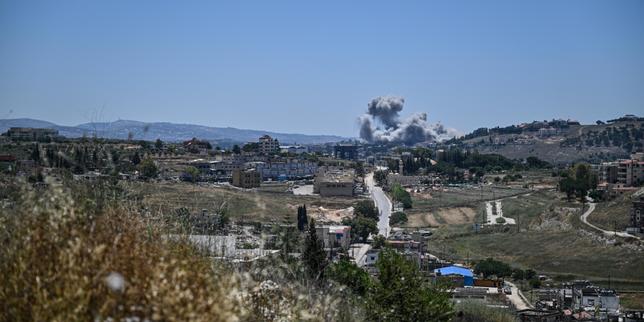
Lebanese students aren't thinking about grades right now. They're trying to process months of relentless panic. When the government finally canceled the official high school baccalauréat exams recently, a collective sigh of relief echoed across the country. But it didn't last long. Getting a piece of paper via continuous assessment doesn't erase the phantom sounds of airstrikes or the crushing weight of sudden displacement.
A piece of paper can't cure trauma.
For hundreds of thousands of young people across Lebanon, the academic year has been an absolute nightmare. After months of intense conflict, shifting frontlines, and fleeing their homes, students describe a state of chronic hypervigilance. They're dealing with severe psychological distress. Passing a class or getting an official administrative waiver doesn't fix a broken mental state. It just masks it.
The Phantom Sounds of the School Year
Step inside any household in Beirut, Sidon, or the towns of Mount Lebanon, and you'll hear the same story. Young people are jumpy. A door slamming or a car backfiring sends teenagers ducking for cover. This isn't just everyday stress. It's structural, deeply embedded trauma.
Data from recent humanitarian assessments paints a devastating picture. An evaluation conducted by organizations like Secours Islamique France found that nearly half of surveyed youths experience daily fear and persistent anxiety. Sleep disorders affect more than 30% of them. They wake up terrified in the middle of the night, reliving the moments they had to pack their lives into bags and run.
Imagine trying to study algebra while checking your phone every two minutes for security updates. Think about analyzing a text when your family is crammed into a makeshift shelter or a temporary apartment with three other households. That's the reality Lebanese teenagers faced all spring. The constant state of survival completely overrides the brain's ability to retain information or focus on a syllabus.
The Illusion of Academic Continuity
When decision-makers argued for weeks over whether to hold official exams, they missed the bigger picture. The Ministry of Education eventually relented because military and security officials admitted they couldn't guarantee safe access to testing centers. But substituting exams with continuous assessment marks or school-issued certificates is a band-aid on a bullet wound.
- Incomplete Curriculums: Many schools in southern regions and high-risk zones didn't finish half their intended programs.
- The Digital Divide: Shifting to online learning sounds great on paper, but it fails completely in a country with rolling blackouts, broken infrastructure, and terrible internet connectivity.
- Teacher Burnout: Educators themselves are displaced, underpaid, and deeply traumatized, making it almost impossible to provide stable emotional or academic support.
The academic gap isn't just a temporary delay. It's a compounding deficit. Students heading to local or international universities this fall are doing so with massive gaps in their core knowledge. They're entering adulthood with an academic foundation that was systematically hollowed out by conflict.
The Invisible Scars Facing the Next Generation
Psychologists working on the ground warn that the phrase "post-traumatic stress" doesn't fully capture what's happening. Post-trauma implies the event is over. In Lebanon, the threat feels ongoing, unpredictable, and exhausting. The psychological toll will outlast the current political or military configurations.
When you spend your formative teenage years internalizing helplessness, it changes how you look at the world. Youth organizations report an unprecedented spike in feelings of despair and powerlessness among 15- to 18-year-olds. They feel left behind by the international community and completely abandoned by their own state institutions.
Even private school students who didn't lose their homes face secondary trauma. They watched their friends flee, saw their cities change overnight, and lived under the constant threat of total economic collapse. The systemic nature of the crisis means no one escaped unscathed.
Actionable Steps Forward for Families and Educators
We have to move past the debate over grades and focus on actual recovery. If you're supporting a student navigating this crisis, waiting for things to return to normal isn't an option. Action needs to happen at home and within local communities immediately.
Prioritize Emotional Safety Over Catch-Up Classes
Forcing a deeply stressed teenager to sit through intensive summer remedial courses often backfires completely. The brain cannot learn when it feels unsafe. Focus on establishing a predictable daily routine at home first. Stability breeds recovery.
Normalize Vulnerability and Seek Peer Support
Encourage teenagers to talk about their anxieties without forcing a positive spin on the situation. Peer-led discussion groups, often organized by local community centers or non-profits, give young people a safe space to realize they aren't alone in their fear.
Demand Systemic Mental Health Resources
Local schools and universities must integrate psychosocial support directly into their structures for the upcoming term. Academic institutions can no longer treat mental health as an optional luxury. It must be treated as a core component of the educational infrastructure.
The exams are gone for the season, but the true test is just beginning. Saving a generation requires looking beyond their transcripts and addressing the profound emotional wreckage left in the wake of this crisis.