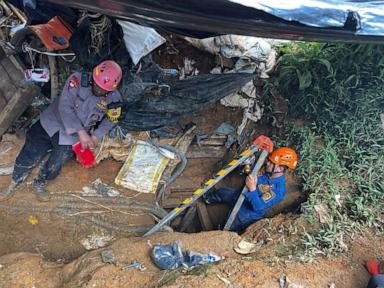
Ordering residents to clean up a capital city sounds decisive. It looks great on a press release. Yet months after a deadly rubbish dump collapse, telling people to sweep their streets often misses the real problem.
Trash piles up for a reason. Usually, it's because collection trucks don't reach dense neighborhoods consistently, transfer points overflow, or final disposal sites are already past capacity. When a massive waste mound gives way and kills people, the shock forces authorities to act. Still, a cleanup decree without working collection routes is like mopping the floor while the faucet is wide open.
Why Trash Piles Up Long Before a Collapse
Ask anyone who has worked on urban sanitation in a fast-growing city, and they'll tell you the same thing. A dump collapse rarely comes out of nowhere. It builds up over years of small compromises.
First, rapid city growth outpaces municipal infrastructure. More people move in looking for work, housing stays informal or crowded, and daily waste volume climbs steadily. If collection fleets aren't expanded and maintained at the same pace, waste starts sitting on curbs, in drainage channels, or in makeshift neighborhood heaps.
Second, open dumping treats gravity and weather as afterthoughts. Steep slopes made of uncompacted household waste, construction rubble, and organic matter behave very differently from engineered landfills. Heavy rain saturates the layers. Decomposition generates gas and shifts weight from within. Suddenly, a slow-moving hazard turns into a fatal slide.
A cleanup order puts visible effort on display fast, but permanent safety requires fixing transfer, hauling, and engineered disposal.
What Resident Cleanup Drives Actually Do
I've seen community cleanups work wonders for morale. Neighbors show up with brooms, shovels, and wheelbarrows. Blocked gutters get cleared before the next downpour. Streets look cleaner for a weekend.
Honestly, though, resident labor has hard limits. People aren't trained or equipped to handle sharp scrap metal, medical waste, chemical runoff, or unstable waste slopes. Asking unpaid residents to clear heavy accumulations without protective gear or reliable haul-away trucks creates real health risks.
There's also a fairness issue. If a city doesn't provide regular curbside or neighborhood pickup on Monday, Wednesday, and Friday, blaming households for street trash on Saturday feels backward. Residents shouldn't have to become municipal sanitation workers just to keep their own block passable.
Lessons From Past Waste Disasters Worldwide
Across Africa, Asia, and Latin America, deadly landfill and dumpsite slides have repeated a grim pattern. Steeply stacked waste near densely populated areas collapses, burying homes, informal shelters, or people working and scavenging nearby.
International bodies like the United Nations Environment Programme and the World Bank have long documented that solid waste management is one of the largest budget items for city governments—and one of the most neglected when maintenance funds dry up. When cities rely on overloaded open dumps instead of engineered cells, leachate control, and slope management, disasters become a matter of when, not if.
After major slides in other cities, initial cleanups often focus on search, rescue, and clearing immediate roadways. The harder work comes months later. Moving an unstable waste mass without triggering secondary slides requires heavy machinery, designated safe disposal space, and clear rules keeping people away from active hazard zones.
Common Mistakes Cities Make After the Headlines Fade
When the initial shock cools down, authorities frequently make three predictable errors:
- Treating symptoms as the whole crisis. Clearing visible street litter makes neighborhoods look better, yet leaves uncollected daily waste accumulating again next week.
- Skipping worker and resident safety. Sending volunteers or informal workers into unstable piles or flooded drainage ditches without gloves, boots, masks, or proper tools invites injury and illness.
- Announcing rules without funding operations. A decree costs almost nothing to issue. Fuel, spare parts for trucks, tipping fees, and trained crews cost real money every single day.
What actually works is boring, unglamorous, and consistent. Fixed collection schedules. Clear drop-off points that get emptied before they spill. Real enforcement on hazardous dumping, paired with practical alternatives for households and small businesses.
Practical Next Steps for Residents and Local Organizers
If you live in an area dealing with overflowing waste or post-collapse cleanup efforts, a few practical steps help protect your household and keep pressure where it belongs:
- Prioritize drainage and standing water. Clearing small channels right outside your home or shop helps prevent stagnant water pools where mosquitoes breed and waste washes into walkways.
- Protect yourself during any cleanup. Wear sturdy closed-toe shoes, thick gloves, and a mask or cloth covering when moving debris, and wash hands and exposed skin thoroughly with soap and clean water afterward.
- Separate sharp and hazardous items. Keep broken glass, needles, batteries, and chemical containers out of general bags so collectors and neighbors aren't cut or poisoned.
- Track truck schedules and report bottlenecks. Document when collection trucks actually arrive versus when they're scheduled, and push local officials for clear pickup timetables and safe disposal sites rather than one-off sweep days.
A clean street for a week is a start. A city that collects its trash reliably every week is what keeps people safe.