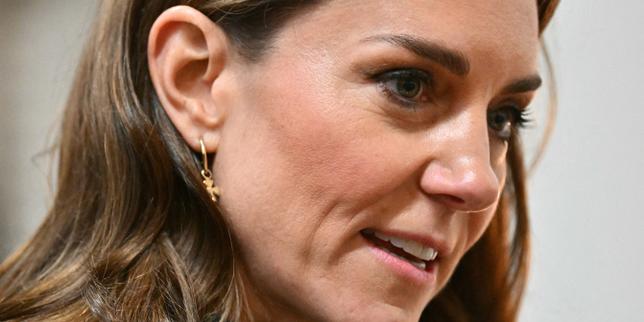
When a future queen admits she isn't fixed just because treatment ended, something quietly shifts inside a centuries-old institution. Catherine, Princess of Wales, stepping onto camera for Heal—premiering on the BBC on November 29, 2026, before hitting NBC in the United States—isn't just another polite royal appearance. Honestly, it's a blunt refusal to play the stoic marble statue the crown usually demands.
Most people searching for coverage around the Princess of Wales in remission want two things right away. First, they want to know what she's actually saying now about life after cancer. Second, they want to understand why talking openly about emotional and physical fragility feels so jarring coming from a senior British royal.
Here's the straight answer. After undergoing abdominal surgery in January 2024, revealing a cancer diagnosis and preventive chemotherapy in 2024, finishing chemotherapy that September, and announcing her remission in January 2025 following care at The Royal Marsden in London, Catherine hasn't treated remission like a fairy-tale curtain call. Instead, in Heal, she talks about facing mortality, physical shifts in her body, and realizing that vulnerability isn't a flaw to hide behind palace walls.
Why Catherine Opening Up About Cancer Remission Hits So Hard
For generations, the British monarchy operated on a simple unspoken bargain: show up, smile through the rain, keep pain behind closed doors, and project unshakeable duty. Even when tragedies hit, public composure was treated as armor.
Watch how Catherine frames things in Heal, and you see a very different posture. She speaks about confronting her own mortality, accepting that life isn't infinite, and feeling how cancer changes a person physically and emotionally. She also talks about the quiet power of someone simply holding her hand during dark moments without trying to "fix" everything.
That might sound small if you're used to celebrity confessionals. In royal terms, though, admitting that healing takes time—and that illness alters you—is huge. It pushes back against the toxic expectation that once a patient finishes chemo or enters remission, they should snap right back into their old routine.
I've watched plenty of public figures try to turn health scares into neat inspiration posters. It rarely rings true for people actually living through recovery. What makes Catherine's framing resonate—and why it stands apart from standard palace press releases—is that she treats recovery as ongoing, uneven, and shared rather than a solo triumph.
Remission Isn't a Finish Line, No Matter Who You Are
There's a massive misconception baked into everyday conversation around cancer: people hear "in remission" and mentally file it under "all done, back to normal." Clinically and emotionally, that's just not how it works.
According to medical guidance from organizations like the Cleveland Clinic, remission means signs and symptoms of cancer have eased or disappeared—either completely or partially—but it isn't automatically synonymous with a permanent cure, because microscopic cells can remain and surveillance continues. And psychological research published on PubMed shows that cancer survivors can face elevated risks of anxiety and depression across early, medium, and longer-term survivorship phases.
Think about what happens after the hospital appointments space out. Friends breathe a sigh of relief. Coworkers assume you're back at 100 percent. Meanwhile, your stamina might lag, your body feels unfamiliar, and every strange ache triggers a spike of dread.
Catherine has kept the specific type and stage of her cancer private, which is completely her right. Still, her decision to link Heal with the National Three Peaks Challenge and benefit The Royal Marsden Cancer Charity grounds the film in real-world support rather than vague sentimentality. Proceeds going to a working cancer charity turns personal reflection into practical backing for patients and researchers.
What People Usually Get Wrong About Post-Treatment Recovery
- Mistake 1: Assuming outward energy equals full recovery. Returning to official trips—like traveling to India with Prince William in November 2026—or climbing mountains on camera doesn't erase fatigue or internal recalibration. Public strength and private recovery can happen side by side.
- Mistake 2: Trying to "cheer up" or "fix" someone in remission. A common trap when someone we care about gets good scan news is rushing to put them on a pedestal or handing out silver linings. Often, sitting quietly beside them without forcing optimism is far more helpful.
- Mistake 3: Treating emotional struggle as ingratitude. Survivors frequently feel guilty for feeling anxious, sad, or drained after making it through treatment. Feeling fragile after a life-altering diagnosis isn't ungrateful. It's human.
Monarchy, Modernity, and the Risk of Over-Sharing
Not everyone loves watching royals lean into emotional candor. Some traditionalists worry that when a future queen talks openly about vulnerability, the mystique of the crown thins out. If the monarchy becomes too relatable, critics argue, it starts looking like just another media brand rather than a distinct constitutional institution.
Fair point. There's a real tension there.
At the same time, a monarchy that refuses to acknowledge human frailty looks brittle, not strong. King Charles III has also navigated his own cancer treatment publicly since 2024, shifting the tone around royal health in ways that would've seemed unthinkable a few decades ago. When senior figures talk plainly about medical care and emotional recovery without turning it into reality-TV drama, it can encourage regular people to get screened, ask questions, and take survivorship seriously.
Where the line sits between healthy openness and performative oversharing is always debatable. So far, Catherine has kept tight boundaries around clinical specifics while opening the door on emotional adjustment—a balance that feels deliberate rather than reckless.
Practical Ways to Support Someone Navigating Life After Cancer
If you're reading about Heal because someone in your own life is moving from active treatment into remission or "new normal" territory, don't wait for a crisis to show up. Small, steady habits beat grand gestures every single time.
- Check in months later, not just right after treatment. Calendar a reminder two, four, or six months down the line. That's often when outside support fades while internal adjustment is still heavy.
- Practice quiet presence instead of fixing. Ask what kind of company feels good that day—a walk, a funny distraction, or simply sitting together without pressure to be upbeat.
- Respect shifting energy limits. Let them cancel plans or leave early without guilt, and keep invitations low-stakes so saying "not today" doesn't feel like a chore.
- Support reputable cancer organizations. Whether it's The Royal Marsden Cancer Charity in the UK or established national cancer nonprofits where you live, direct support for patient care and survivorship resources helps turn empathy into action.


