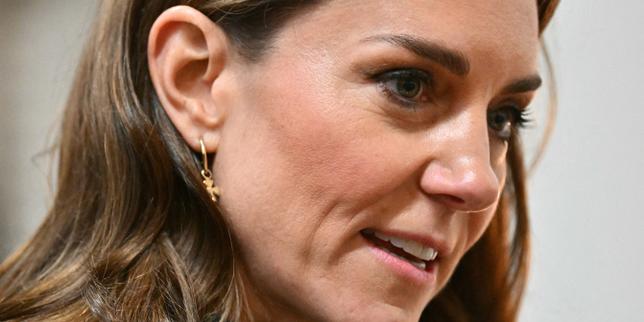
Watching a parent cry on a mountainside over a voice note from their kids does something to you, especially when you know what she survived to get there. In Heal, the BBC One documentary airing November 29, 2026, Catherine, Princess of Wales, wipes away tears on Scafell Pike after her brother James Middleton plays surprise messages from George, Charlotte, and Louis. Those recordings aren't just cute royal moments. They're the emotional anchor of a woman climbing the Three Peaks to raise money for The Royal Marsden Cancer Charity following her 2024 cancer diagnosis and treatment.
Short clips of a tearful royal can easily get reduced to clickbait. That misses the whole point of what she's actually saying in the film.
What Catherine's Mountain Tears Actually Reveal
When Prince William sends voice notes to James to play near the summit of Scafell Pike in England's Lake District, Catherine's reaction comes from years of physical and mental strain catching up with her all at once. On a steep, rocky ascent, your breathing is ragged and your legs are already complaining. Hearing your children tell you they're proud of you, tracking your progress on Flightradar, or promising they're right behind you hits straight through your armor.
Catherine puts her finger right on why those voices matter so much: her children gave her the reason to get out of the hospital, and now they're giving her the reason to finish the climb. That's a simple truth, yet people who haven't faced a serious illness often treat recovery like a flip switch. You finish treatment, you ring a bell or announce remission, and everyone expects you to bounce straight back to normal.
"Cancer does change you. It changes your body; it changes you physically. But there's a much, much deeper part to what a cancer diagnosis shifts in you." — Catherine, Princess of Wales, in Heal
That distinction matters. Physical recovery can be tracked with scans, blood work, and step counts. The emotional and psychological shift lingers long after the clinical appointments slow down.
Why Survivorship Feels Loneliest After Treatment Ends
Here's what surprises a lot of people who haven't lived through cancer treatment: the hardest stretch isn't always the day you hear the diagnosis. Sometimes it's months later, when the constant medical schedule stops and the crowd moves on.
In Heal, Catherine talks with people from Shine Cancer Support about the "lonely road" of cancer and how life after treatment requires more than medicine alone. She also recalls her hospital stay feeling stark, alien, and disorientating—and how simply having someone hold her hand without trying to "fix" anything meant everything.
Honestly, that part rings true for anyone who has supported a loved one through a crisis. We love fixing problems. We want to give advice, research protocols, or cheer people up with bright side platitudes. Most of the time, sitting quietly next to someone who's scared or exhausted does way more good than a clever speech.
The Reality Behind the National Three Peaks Challenge
A 30-minute documentary can make a mountain trek look brisk and cinematic, so it helps to look at what the National Three Peaks Challenge actually demands. Participants climb the highest peaks in Scotland, England, and Wales within 24 hours:
- Ben Nevis in Scotland at 1,345 meters (4,413 feet)
- Scafell Pike in England at 978 meters (3,209 feet)
- Snowdon (Yr Wyddfa) in Wales at 1,085 meters (3,560 feet)
According to route breakdowns from National Three Peaks Challenge, the route covers roughly 23 miles (37 km) of walking with 3,064 meters of total ascent, plus around 462 miles of driving between peaks. Roughly 90% of groups finish all three mountains, while only about 40% complete the full sequence inside 24 hours.
Common Mistakes First-Timers Make on Big Mountain Days
I've seen plenty of capable hikers underestimate challenges like this because they focus on leg strength and ignore logistics. Three mistakes trip people up constantly:
- Treating the drives as rest time: Eleven-plus hours in a vehicle still stiffens joints, dehydrates you, and wrecks sleep cycles—especially if your drivers are also hiking.
- Rushing descents: Knees and quads take a beating going down rocky trails like Scafell Pike, and sloppy footwork late in the day is how minor slips turn into real injuries.
- Ignoring emotional waves: Fatigue lowers your guard. A song, a memory, or a message from home can trigger sudden tears even when you thought you were locked into "tough mode."
Catherine had Mountain Rescue support and her brother alongside her—playing light games like Would You Rather? to pass the time between heavy reflections. Even with backup, mountains strip away pretense fast.
What You Can Do Right Now
You don't need a cancer diagnosis or a 24-hour mountain itinerary to take something practical from this story. If you're supporting someone going through illness or recovery, ask them whether they want distraction, practical help, or just quiet company—and follow their lead instead of guessing. If you're planning a big physical goal of your own, train for 8 to 12 weeks with hilly endurance walks, build buffer time into your schedule, and set up a check-in with people who'll keep you grounded when the climb gets steep.