Planes stopped dead on taxiways across America while millions of travelers stared at blank departure boards. The Federal Aviation Administration ordered a rare nationwide ground stop that paralyzed U.S. airspace for over four hours. Officials pointed fingers at aging infrastructure, but the immediate root cause remained shrouded in confusion as investigators tried to piece together how a routine telecommunication upgrade brought the entire aviation network to a halt.
If you are wondering how a modern superpower can be brought to its knees by what officials described as a networking glitch, you aren't alone. Let's break down what actually happened during the chaos, why the investigation is taking time, and what this means for the future of air travel.
What Triggered the Nationwide Ground Stop
The disruption started when communication links between area control centers began dropping packets and choking on data. According to Transportation Secretary Sean Duffy, the trouble began while a legacy contractor, L3Harris, was performing routine maintenance. The project involved migrating older telecommunication lines from decaying copper wires over to modern fiber networks.
During this transition, a newly installed router began flooding neighboring routers across the air traffic control network. The system experienced over 1,000 connection attempts every four to five seconds. That massive surge overwhelmed internal data processing, distorted radar feeds, and cut off reliable communication with airborne aircraft.
Faced with corrupted data streams and safety risks, the FAA took the unprecedented step of halting all domestic departures. It marked only the third nationwide ground stop in modern U.S. history, following the September 11 attacks and a major system failure in 2023.
Human Error Versus Hardware Failure
Officials were quick to separate technical glitches from anything malicious. Homeland Security Secretary Markwayne Mullin explicitly stated there was no indication of a cyberattack or foul play. Instead, investigators narrowed their focus down to a more mundane, yet frustrating, culprit: human error or faulty hardware.
The core debate centers on whether the installation crew made a configuration mistake during the copper-to-fiber swap or if the new router itself shipped with a latent hardware defect. Duffy noted that the FAA is auditing the entire chain of events to determine if contractor oversight or equipment failure is to blame.
At the same time, rumors swirled online regarding the agency's newly expanded artificial intelligence tool, known as SMART (Strategic Management of Airspace, Routes and Trajectories). Air Space Intelligence, the firm behind the software, quickly denied any links between the AI system and the network crash. The software manages congestion, but it had nothing to do with the physical routing loop created by the copper-to-fiber transition.
The Real Problem Is Aging Infrastructure
Blaming a single router or contractor misses the forest for the trees. The aviation system is buckling under decades of deferred modernization.
Virtually every major commercial industry transitioned from analog copper infrastructure to high-speed digital fiber years ago. The FAA, constrained by chronic federal funding fights and procurement delays, remains heavily reliant on legacy architecture that struggles to handle modern data volumes. When new components are grafted onto decades-old frameworks, the margin for error shrinks to almost zero.
A single misconfigured port or faulty line shouldn't be able to ground an entire continent's fleet. Yet because core air traffic control hubs rely on interconnected legacy loops, a localized glitch can cascade across multiple regional centers within minutes.
The Ripple Effects Across Travel and Sports
When the FAA lifted the ground stop after four hours and twenty-one minutes, the relief was short-lived. Grounding thousands of flights creates an immediate domino effect that takes days to untangle. Planes were parked at the wrong gates, flight crews timed out of their legal operating hours, and passengers flooded customer service desks.
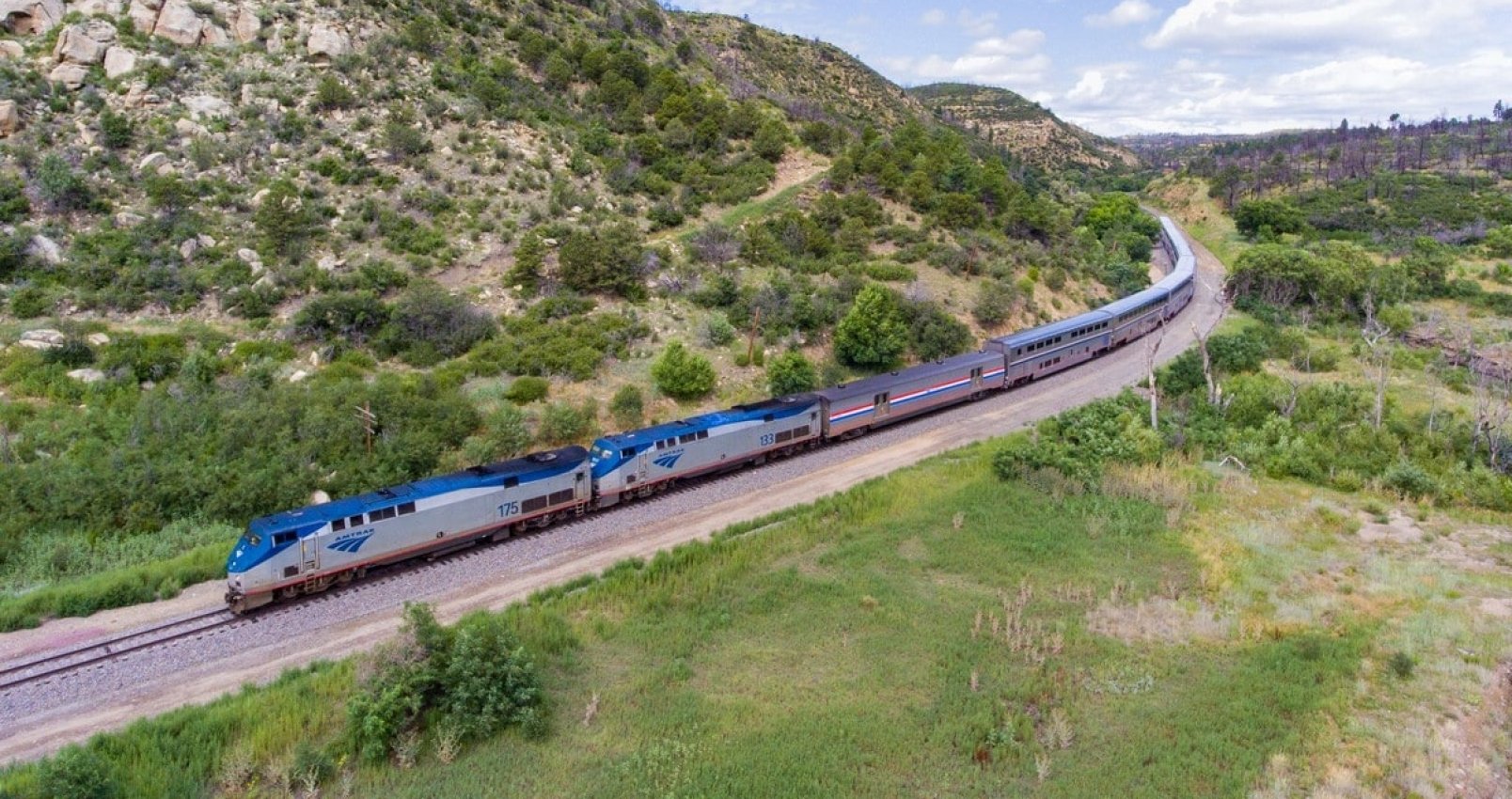
The disruption extended far beyond commercial passengers. Professional and collegiate sports schedules were thrown into chaos. NBA, NHL, and NFL teams relying on charter flights had to scramble for backup buses or delay games. International flights heading to the U.S. from European airspace were temporarily held back at the request of the FAA to prevent severe airborne congestion. Meanwhile, rail lines like Amtrak saw sudden surges in ticket sales as stranded flyers looked for alternative ways home.
What You Should Do Next Time Infrastructure Fails
Systemic tech failures are impossible for individual travelers to predict, but you can minimize your exposure when the system breaks down:
- Fly out early: Morning departures almost always beat afternoon slots because they haven't accumulated rolling delays from earlier flights.
- Download airline apps: When a ground stop hits, phone lines crash instantly. Managing your rebooking through a mobile app puts you ahead of the passengers standing in terminal lines.
- Watch alternative corridors: Keep an eye on regional rail options or car rental availability if you are traveling short distances during major aviation tech outages.
The investigation into the router flood will wrap up soon, but until Congress funds a wholesale overhaul of the nation's air traffic control wiring, the next nationwide freeze is only one bad maintenance window away.