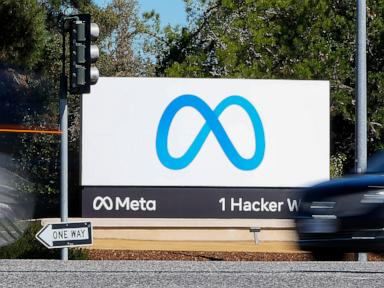
Big tech companies love to hide behind vague system prompts and broad app permissions, assuming users won't read the fine print. Italy's privacy watchdog just proved that strategy has an expiration date. The Italian data protection authority, known as the Garante, slapped Meta with a massive €805 million—roughly $887 million—fine after discovering that Facebook quietly scooped up personal photos, videos, and associated metadata from millions of Android users without giving them a real choice.
If you've ever wondered how casual app permissions turn into major legal battles, this case is a textbook example.
What Actually Happened With the Android Gallery Access
The core issue centers on roughly 20 million Android users in Italy. According to regulators, the Facebook app relied on broad, blanket system permissions to read photo galleries without providing specific, informed consent for how that media data was utilized.
Most smartphone owners assume that granting storage or gallery permission simply lets them upload a picture to a post or a story when they choose to do so. Regulators found that Meta's implementation went further, treating that single toggle as an open-ended pass. Users weren't properly informed, and they certainly weren't given a separate, explicit toggle to say yes or no to broader data processing.
The Italian agency didn't hold back. They gave Meta a strict 60-day deadline to disable the feature by default and set up a proper mechanism for separate user consent. On top of that, Meta's defensive posture during the proceedings—specifically cited as a "lack of cooperation"—helped push the financial penalty higher. The final sum represents about 0.47% of the tech giant's global annual turnover.
Why This Fine Is Different
People often look at multi-million dollar penalties against Silicon Valley giants and assume they're just the cost of doing business. But this ruling carries unique weight for a couple of reasons.
First, notice what wasn't included. The Italian authority made it clear that this specific investigation did not examine whether those gallery photos were fed into machine learning or artificial intelligence training models. Meta has consistently denied using content accessed this way for training AI systems. Instead, the €805 million penalty punishes the unauthorized access itself—reading a person's camera roll without a distinct, informed agreement.
Second, the Garante explicitly reserved the right to open a separate investigation into a newer feature launched in 2026 that handles cloud-based processing of gallery content. If that secondary review moves forward, it will test an entirely different boundary: whether sending a user's local pictures to remote servers to power automated suggestions requires its own dedicated legal clearance on top of standard app permissions.
The Broader Regulatory Landscape
Meta tried to push back on jurisdiction, arguing that because the parent entity in question is Meta Platforms Ireland Limited, the matter should be handled under European Union data rules by the Irish lead supervisory authority. The Italian regulator rejected that stance completely, pointing out that ePrivacy rules do not rely on the same "one-stop-shop" framework used for standard GDPR complaints.
This ruling joins a growing pile of massive legal setbacks for the company. Back in September, a New Mexico court ordered Meta to pay $25 billion after a jury found the company misled consumers regarding its safety and privacy safeguards. While tech companies routinely appeal these decisions—and Meta is expected to challenge Italy's latest penalty—the cumulative pressure from global regulators is changing how apps handle device-level permissions.
What You Should Do Right Now
You don't have to wait for a European antitrust watchdog to protect your personal media. App permissions on both Android and iOS are notoriously easy to leave wide open. Take five minutes to review your phone settings:
- Open your phone settings and navigate to your App Permissions or Privacy dashboard.
- Check which apps have unrestricted access to your photos, videos, or local storage.
- Switch permissions from "Allow all the time" or blanket access to "Ask every time" or "Select photos" where supported, so apps can only see what you explicitly choose to share.
Tech giants will always push right up against the line of what default permissions allow. Keeping your device locked down is the only way to ensure your personal gallery stays private.