Two million people. Think about that number for a second. That's the entire population of a major global city, packed up and moved to emergency shelters within a matter of hours. When Typhoon Bavi made landfall in China, the sheer scale of the displacement caught the world's attention, but the headlines completely missed the real story.
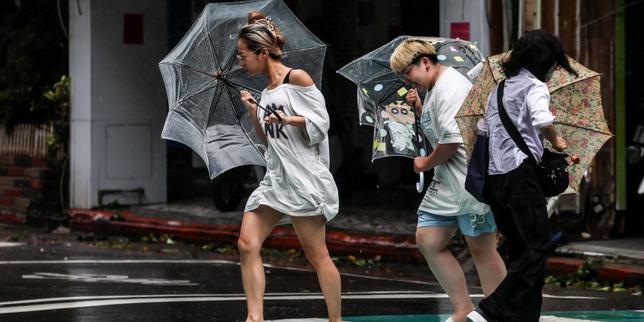
Most international coverage focuses entirely on the dramatic winds and flooded streets. They show the same rotating satellite images and tree branches snapping in the wind. What they leave out is the staggering logistical machine required to pull off an evacuation of this size without widespread casualties.
Typhoon Bavi hitting coastal communities isn't just a story about extreme weather. It's a look at how infrastructure, localized governance, and early warning systems clash with the accelerating reality of severe tropical storms. When a storm of this magnitude bears down on densely populated manufacturing and residential hubs, the response has to be clinical. If it isn't, thousands die.
The Anatomy of a Two Million Person Evacuation
Moving millions of citizens requires an aggressive, multi-layered command structure. It doesn't happen by asking people nicely to leave their homes. In coastal provinces, the government triggers a strict tier-based response system long before the first raindrops hit the pavement.
Local maritime bureaus order thousands of fishing boats back to port immediately. Dockworkers secure heavy cranes, while factory owners along the coast halt assembly lines. For Typhoon Bavi, the evacuation zone spanned vulnerable low-lying coastal areas, temporary housing structures, and older residential blocks at risk of collapse under torrential rains.
Buses are rerouted from standard municipal lines to act as emergency transport. Gymnasiums, schools, and convention centers transform into temporary shelters stocked with cots, clean water, and medical supplies. This isn't a chaotic scramble. It's a highly rehearsed blueprint designed to empty out high-risk zones within a 24-to-48-hour window.
The real challenge isn't just the logistics of movement. It's compliance. Anyone who has ever covered a natural disaster knows that a significant portion of the population prefers to ride out the storm. Convincing elderly residents in rural coastal villages to abandon their property remains one of the hardest parts of disaster management. Local officials often have to go door-to-door, tracking down every single individual registered in their district to ensure compliance.
Understanding the True Economic Toll Behind the Storm
When Typhoon Bavi forced businesses to close across major economic zones, the financial clock started ticking. The economic impact of these storms extends far beyond the immediate property damage caused by high winds and storm surges.
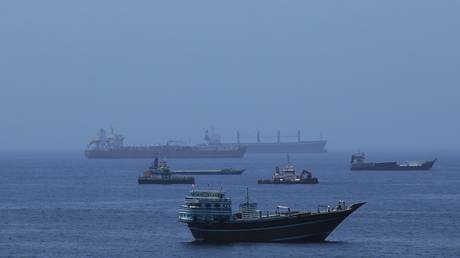
Consider the maritime shipping industry. When a major storm threatens the coast, ports shut down entirely. Container ships are forced to drop anchor miles out at sea or alter their routes completely, throwing global supply chains into disarray. A delay of just three days at a primary port ripples through international logistics networks, stalling deliveries of electronics, automotive parts, and consumer goods thousands of miles away.
Agriculture takes an equally brutal hit. Coastal plains are often heavily cultivated. Fields of rice, corn, and fruit orchards get inundated with saltwater from storm surges, ruining the current harvest and damaging soil fertility for subsequent seasons. For local farmers, a storm like Bavi represents a total loss of annual income, requiring substantial state subsidies and insurance payouts just to keep them afloat.
Then there is the long-term cost of infrastructure repair. Sea walls buckle. Power grids fail as high winds topple transmission towers. Modern cities spend billions building underground drainage networks, but tropical storms frequently dump a month's worth of rain in less than twelve hours, overwhelming even the most advanced civil engineering.
What Most Media Outlets Get Wrong About Storm Classifications
People look at the category of a typhoon and assume they know exactly how dangerous it will be. That's a massive mistake. Wind speed is only a fraction of the danger.
The real killer in events like Typhoon Bavi is water, not wind. Inland flooding caused by relentless rain regularly inflicts far more casualties and structural damage than high-velocity gusts. When a typhoon slows down after making landfall, it dumps trillions of gallons of water over saturated ground, triggering devastating mudslides in mountainous regions and flash floods in urban valleys.
Storm surges present another terrifying threat that wind scales fail to communicate adequately. As the low-pressure center of the typhoon moves across the ocean, it literally pulls the sea surface upward. When this wall of water enters shallow coastal shelves, it surges inland, obliterating coastal defenses and flooding low-lying neighborhoods in minutes.
We need to stop evaluating natural disasters purely through simplified storm categories. A fast-moving, high-wind storm can cause less total devastation than a slower, wetter storm that hovers over a region for days.
Next Steps for Coastal Communities and Businesses
If you operate a business or live in an area prone to severe tropical weather, you can't rely solely on municipal alerts to save your assets. You need a proactive strategy.
First, audit your physical supply chain. Identify if your primary suppliers or shipping routes pass through high-risk typhoon corridors during peak storm seasons. Diversify your logistics options before a storm forces your hand.
Second, invest in redundant communication systems. During major landfalls, cellular towers routinely lose power or become overwhelmed by traffic. Satellite-based communication and localized mesh networks ensure your teams stay connected when the primary grid goes dark.
Finally, review local evacuation maps and shelter locations long before an emergency declaration. Waiting until a typhoon hits to figure out your exit strategy is a recipe for disaster. Stay informed, monitor real-time meteorological data, and move early. Evacuation plans only work if you execute them before the roads flood.