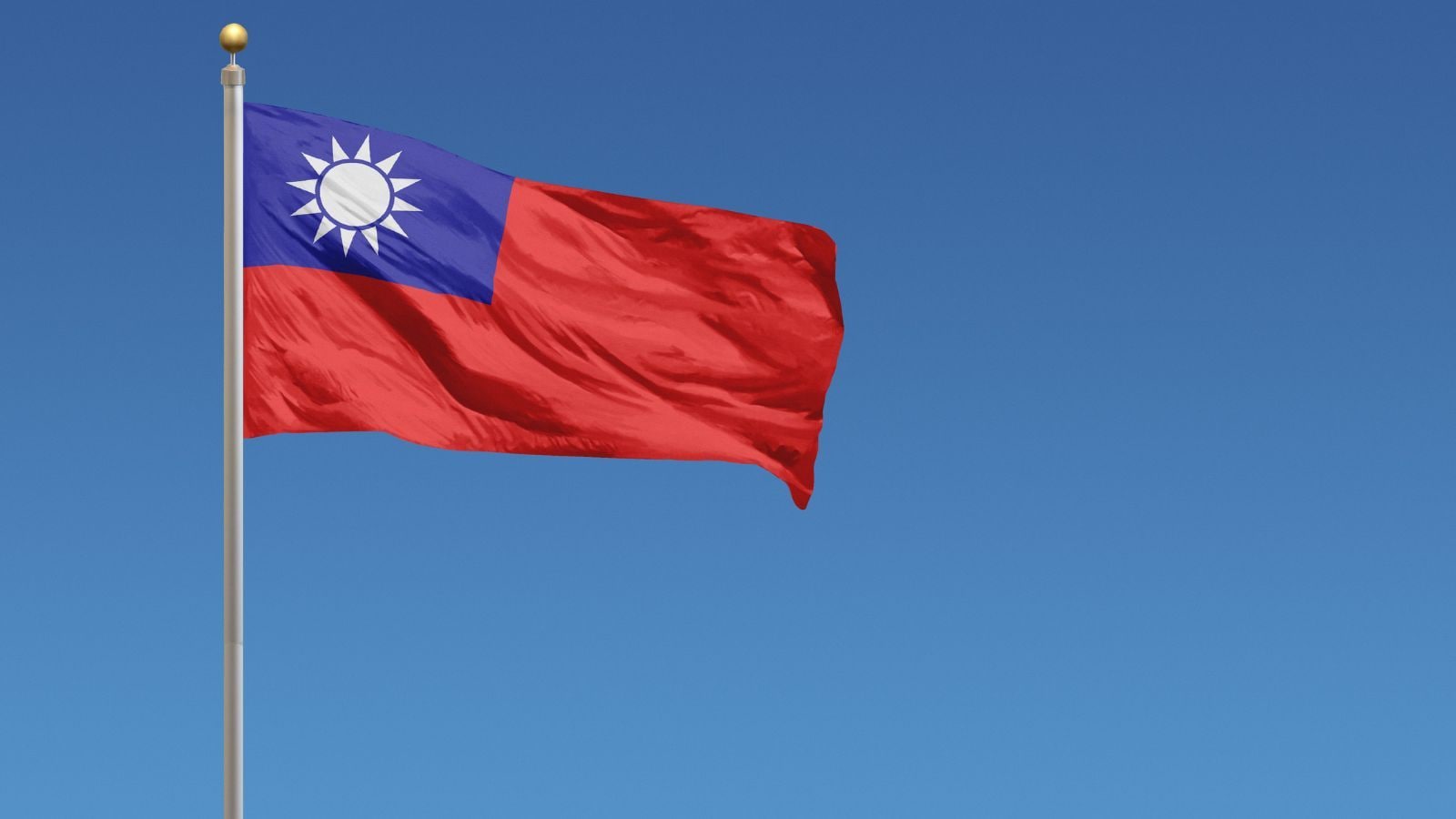
Beijing isn't hiding its playbook anymore. China just levied direct sanctions against specific cabinet ministers from Paraguay and Belize, targeting them purely over their diplomatic ties with Taiwan. If you've been watching geopolitical chess moves, you know this marks a sharp escalation. Beijing isn't just going after governments now. They're making things personal for individual politicians.
The announcement hit diplomatic circles hard. China's Foreign Ministry confirmed that asset freezes and strict entry bans apply immediately to Paraguay’s Minister of Information and Communication Technologies, Gustavo Villate, and Belize’s Foreign Minister, Francis Fonseca. Officials in Beijing explicitly labeled the punitive measures a warning shot to any other nation thinking about cozying up to Taipei. Discover more on a related issue: this related article.
Timing matters here. These sanctions dropped just days after Taiwan wrapped up its National Day celebrations. Taiwan's foreign ministry has actively worked to shore up its shrinking circle of formal allies. Last month, Taiwan's Foreign Minister Lin Chia-lung traveled to Belize to deepen bilateral ties. Beijing watched, noted the warmth, and struck back.
Why Target Paraguay and Belize Now?
Taiwan's official diplomatic network has shrunk to just 12 countries. Latin America and the Caribbean remain critical strongholds for Taipei, with Paraguay, Belize, Guatemala, and Haiti standing alongside a few smaller island states. By picking off cabinet ministers in Paraguay and Belize, Beijing wants to create a chilling effect. More reporting by USA.gov delves into similar perspectives on the subject.
Think about it from a risk-management perspective. If you are a politician in a small nation maintaining official ties with Taipei, personal asset freezes and travel bans to the world's second-largest economy carry real weight. Even if these ministers don't hold personal bank accounts in China, the secondary psychological and political pressure ripples through their domestic cabinets. Local leaders start asking whether cozying up to Taiwan is worth the headache.
Beijing's foreign ministry spokesperson didn't mince words. The actions were framed around defending national sovereignty and pushing back against what China calls separatist activities. It's a classic pressure tactic designed to isolate Taipei completely on the global stage.
The Shrinking Map of Taiwan Allies
Taiwan's diplomatic isolation hasn't happened overnight. Over the past decade, countries like Honduras, Nicaragua, Panama, El Salvador, and the Dominican Republic have all severed ties with Taipei to establish official relations with Beijing. Every defection deals a heavy blow to Taiwan's international recognition.
Paraguay remains the last major South American holdout. President Santiago Peña has repeatedly vowed to maintain historical ties with Taiwan, resisting enormous economic gravity from mainland China. Belize has similarly stood firm despite Beijing's mounting diplomatic and commercial pressure.
Yet, penalizing individual ministers changes the diplomatic calculus. It shifts the pressure from abstract state-to-state friction into targeted personal consequences. Ministers have careers, international travel schedules, and political reputations to manage. When Beijing closes its doors to them, it sends a loud signal to other cabinet members across the globe: supporting Taiwan comes with an individual price tag.
What Happens Next
Don't expect Taipei to back down easily. Taiwan's leadership views these aggressive maneuvers as proof that authoritarian regimes want to bully democratic partners into submission. Expect Taipei to double down on economic aid, technological cooperation, and high-level visits with its remaining allies to offset Beijing's coercive diplomacy.
At the same time, governments in Latin America and the Caribbean are caught in a brutal tug-of-war. They want access to Chinese infrastructure funding and massive consumer markets, but they also value their sovereign right to choose diplomatic partners.
Beijing's latest move proves that geopolitics in 2026 is getting personal. The squeeze on Taiwan's remaining friends is tightening, and individual politicians are now on the front lines.