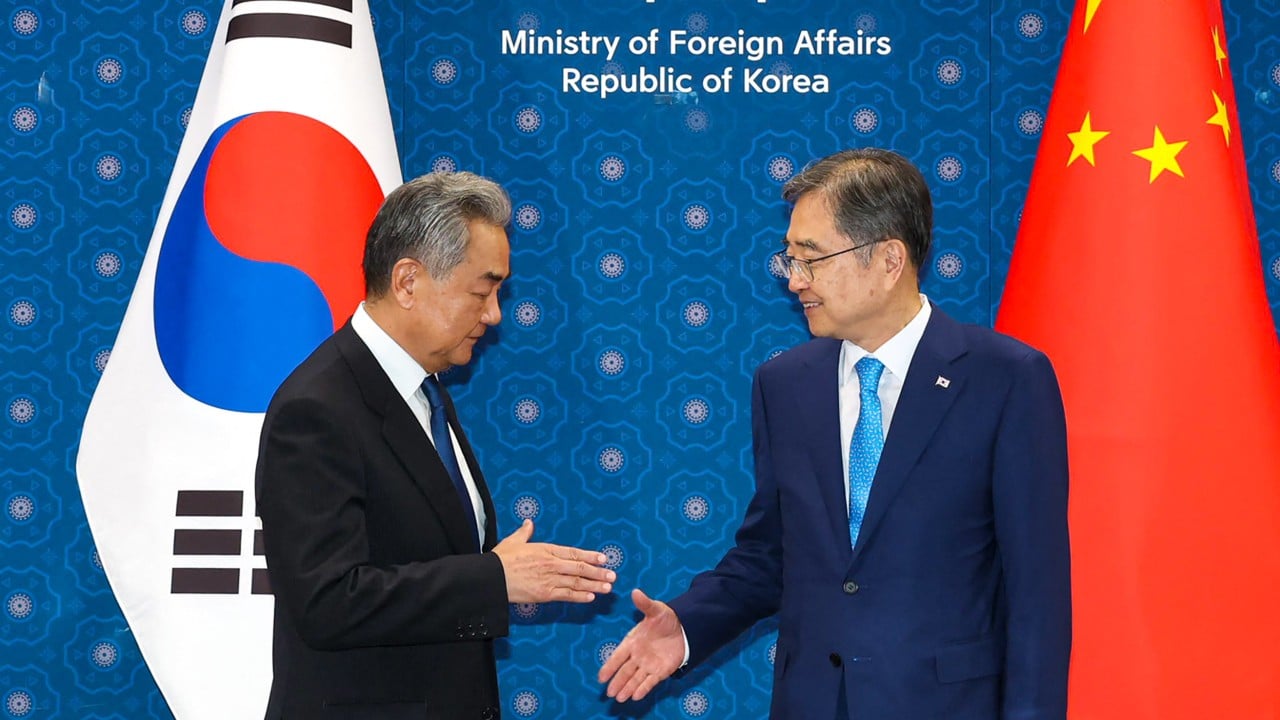
The diplomatic temperature in Northeast Asia is rising again. This week, China’s top diplomat, Wang Yi, touched down in Seoul with a pointed message for Washington: if the United States wants to see real change on the Korean Peninsula, it needs to stop treating Pyongyang like a permanent pariah.
It’s an old argument, but in August 2026, it lands differently. Washington is signaling interest in reengaging with Kim Jong-un, with talk of potential summits floating around the APEC meetings. Meanwhile, North Korea’s leadership is effectively ghosting those overtures. When Wang Yi tells the Americans to abandon their "hostile policy," he isn’t just playing to a domestic audience. He is articulating a strategic reality that many Western observers consistently miss.
The Reality of the Stalemate
Most people assume that if Washington just "gets back to the table" with Kim, the nuclear issue will resolve itself. That is naive. The truth is, the current standoff is more about regional power dynamics than it is about a simple disagreement over weapons.
Beijing sees the U.S. presence on the peninsula as the primary friction point. When Wang Yi hits the "hostile policy" talking point, he is calling for a withdrawal from the maximalist pressure tactics that defined the mid-2020s. He’s arguing that security isn’t a one-way street. If you squeeze a state until it feels its survival is at stake, it doesn’t denuclearize. It doubles down.
Wang’s visit to Seoul is a high-stakes balancing act. He is engaging with South Korea’s President, Lee Jae-myung, who has his own ideas about multilateral peace talks. But by telling reporters that the U.S.-North Korea relationship is "a matter for those two sides to decide," Wang is keeping Beijing’s hands clean while effectively pointing the finger at the White House for the lack of progress.
Why the Current Approach Keeps Failing
I’ve watched these diplomatic cycles for years. The standard U.S. playbook—sanctions, combined military drills, and demands for unilateral disarmament—hasn't yielded a shred of progress in over a decade. It’s a repetitive loop.
Here is why it keeps breaking down:
- Misaligned Incentives: Washington wants denuclearization. Pyongyang wants regime survival and sanctions relief. These goals are currently mutually exclusive.
- The Russian Factor: North Korea has found a new, highly active patron in Moscow. This gives Pyongyang a massive safety net that didn't exist five years ago. They don't need to bargain with Washington as desperately as they once did.
- Strategic Hedging: South Korea is currently caught in the middle. They are trying to lead an initiative to formally end the Korean War, but they are stuck waiting for a green light from Washington that never seems to come.
Wang Yi’s rhetoric highlights that Beijing understands this changing calculus. China doesn’t necessarily want a unified, pro-Western Korea on its border. They prefer the status quo, even with all its volatility, because the alternative is a massive geopolitical shift they can’t control.
The Myth of the Easy Fix
You’ll hear pundits suggest that China could just "force" North Korea to play nice. This is basically a fantasy. China is Pyongyang’s largest economic partner, sure, but that doesn't translate into absolute control. Kim Jong-un has spent the last year aggressively diversifying his international alliances, specifically deepening military and technical ties with Russia.
Beijing is terrified of losing its leverage to Moscow. This is why Wang Yi is so careful in his messaging. He supports "peace and stability," but he refuses to act as the blunt instrument for American interests. When he mentions the "long-standing hostile policy," he’s reminding the region that the U.S. has maintained a posture of containment that the North interprets as an existential threat. Whether you agree with that interpretation is irrelevant; the fact is that it dictates how Pyongyang behaves.
What to Watch for in the Coming Months
If you’re trying to track where this is going, stop looking at press releases. Watch the actual policy shifts.
- The APEC Summit: If Donald Trump and the North Korean leadership do end up in the same room in Shenzhen, pay attention to the preparatory rhetoric. If the U.S. doesn’t offer something tangible—like a scaling back of joint drills or a easing of secondary sanctions—it will be theater, nothing more.
- South Korean Independence: Look at how much room President Lee is allowed by Washington to conduct his own diplomacy. If Seoul continues to move toward its own peace framework, it signals a quiet but significant crack in the alliance.
- The China-Russia Dynamic: Monitor the trade flows and infrastructure projects between Beijing and Pyongyang. Any massive surge suggests China is doubling down to keep North Korea in its orbit, regardless of what Washington thinks.
The situation is messy and getting messier. Demanding that the U.S. change its policy is easy for Wang Yi because he knows it’s unlikely to happen. The real story here is the widening gap between what Washington says it wants and what it is actually prepared to offer.
Don't expect a breakthrough. Expect more of the same high-stakes posturing until the cost of the status quo becomes higher for one of these players than the cost of a concession. We aren't there yet.